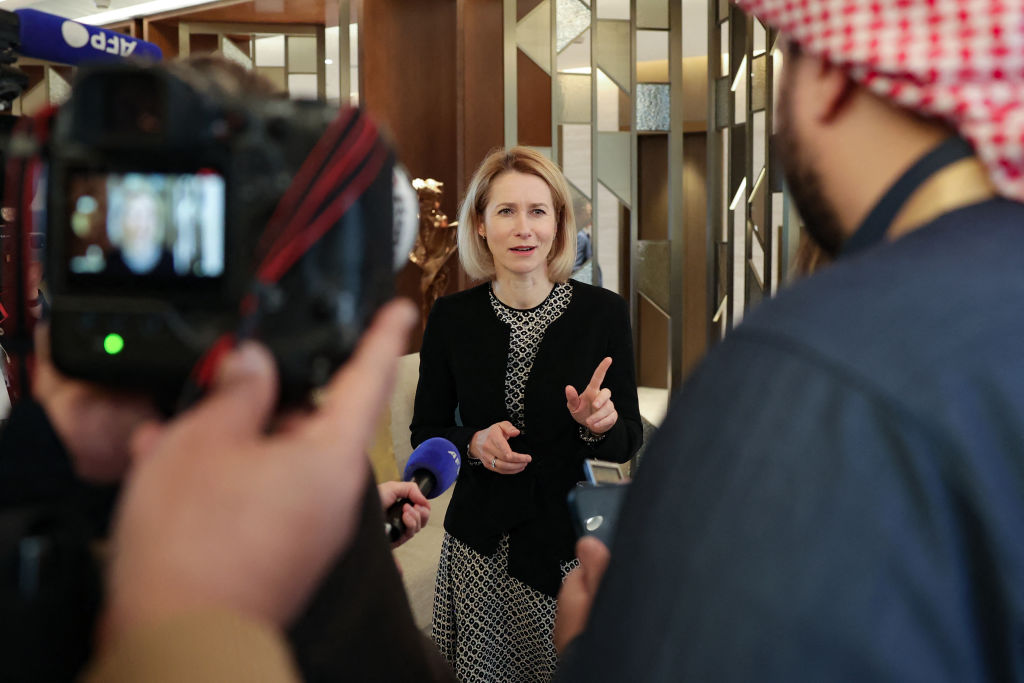
Brussels – One month after the collapse of the Assad regime, the EU is open to a review of the sanctions regime on Syria. At least to an “easing” of it, the term used by the EU High Representative for Foreign Affairs, Kaja Kallas, on the sidelines of the summit in Riyadh with countries from the region, the Gulf and the EU, which the foreign minister of the transitional government in Damascus attended. Insisting on a stop to restrictive measures, Berlin, Paris, and Rome are on the front line—not surprisingly, the three European capitals that have already met in Damascus with the new Syrian leadership.
Breaking the yoke imposed on the Syrian regime back in 2011 is crucial to allow the socio-economic fabric of the country, torn apart after a nearly 15-year civil war, to reform and trigger a virtuous spiral. So far, Brussels has moved cautiously, stressing—as reiterated by Kallas in Riyadh—that the change in sanctions policy “must take place following tangible progress in a political transition that reflects Syria in all its diversity.”
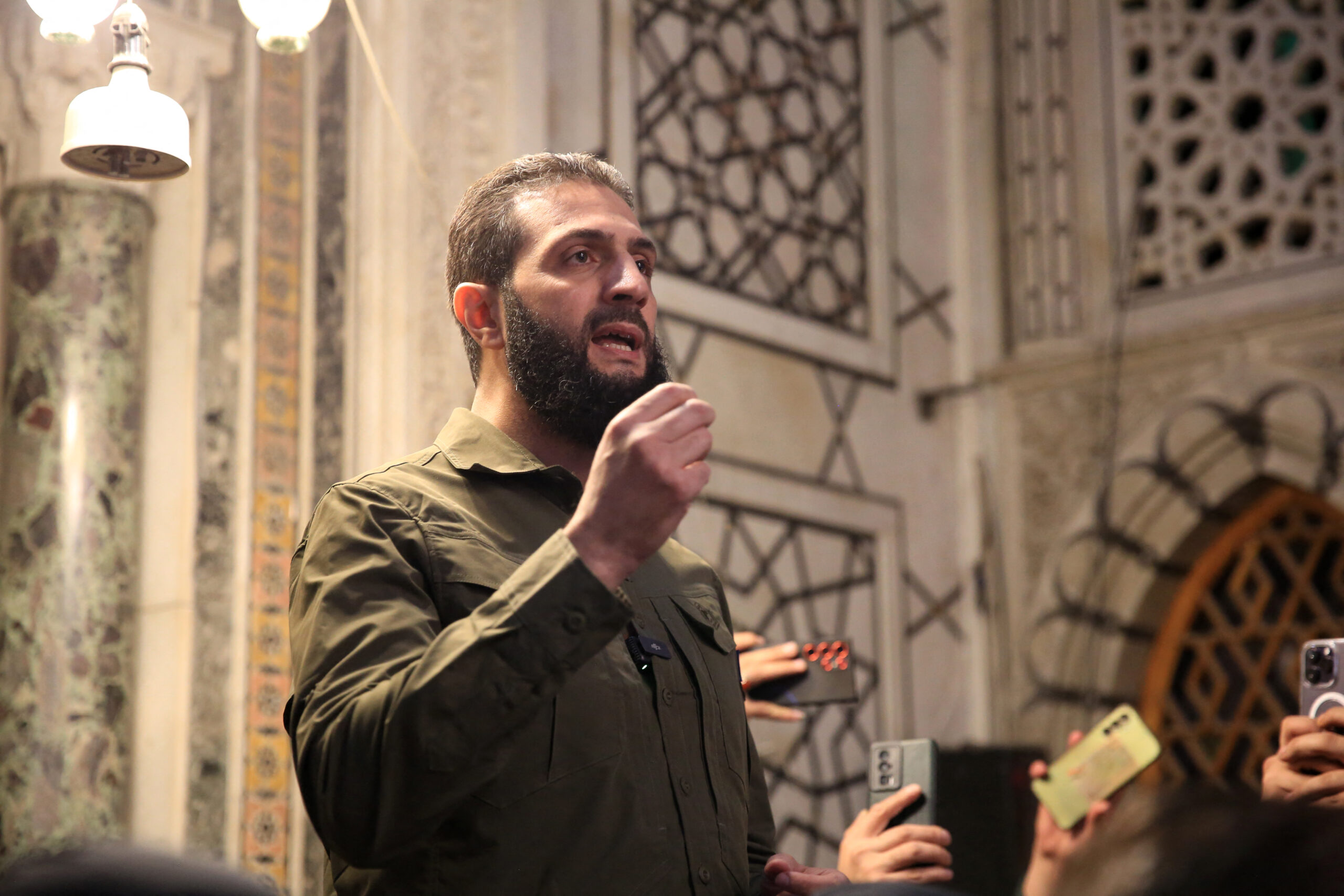
The first moves by the leader of the Hay’at Tahrir al-Sham (HTS) militia, Ahmed al-Sharaa, aka Abu Mohammad al-Jolani, are encouraging. Amnesty for former regime soldiers, meetings with members of Syria’s religious communities and civil society, a willingness to disband all militias (including HTS) and convene a conference tasked with drafting a new constitution. However, al-Sharaa also stated that it could take four years before elections are called in the country.
At the meeting on Syria in Saudi Arabia, the third since the summit between Italy, France, Germany, the United Kingdom, the United States, and the European Union in Rome and the one in Aqaba in mid-December, the discussion on sanctions was on the table. The host, Saudi Foreign Minister Prince Faisal bin Farhan, appealed to the international community to lift the unilateral and international sanctions imposed on Syria, pointing out that these hinder the country’s reconstruction process and ultimately worsen the living conditions of the Syrian people. Washington has already led the way, widening the list of permitted activities and transactions in Syria for six months.
In Riyadh, Kallas had her first bilateral meeting with the Syrian foreign minister, Asaad Hassan al-Shibani: “Now is the time for the new Syrian leadership to realize the hope it has created through a peaceful and inclusive transition that protects all minorities. Next, we will discuss with EU foreign ministers how to ease sanctions,” he wrote in a post on X on the sidelines of his conversation with al-Shibani. A position reiterated today (Jan. 13) by European External Action Service (EEAS) spokesman Anouar El Anouni: “Foreign ministers will consider easing sanctions on Syria when they meet in Brussels,” he said during a press briefing. The next Foreign Affairs Council is set for Monday, January 27.
I had a first meeting with Asaad Hassan al-Shibani.
Now is the time for Syria’s new leadership to deliver on the hope they have created – through a peaceful & inclusive transition that protects all minorities
Next, we will discuss with EU Foreign Ministers how to ease sanctions pic.twitter.com/3yD6N9U9uP
– Kaja Kallas (@kajakallas) January 12, 2025
Pressing Kallas was a letter signed by Germany, France, the Netherlands, Spain, Finland, and Denmark, in which the six EU countries asked Brussels to reconsider its sanctions policy “in light of the fall of the repressive Assad regime, which was the target of our restrictive measures.” In the document sent Jan. 10 to the head of European diplomacy, Berlin, Paris, The Hague, Madrid, Helsinki, and Copenhagen insisted on “immediately adjusting” the sanctions regime “to encourage a peaceful transition, improve conditions for humanitarian aid, recovery and reconstruction of essential infrastructure, and thus facilitate the return of displaced Syrians to their home country.”
In their view, “as a first gesture toward the Syrian people,” some measures should be suspended without preconditions. These include sanctions against Syrian Arab Airlines and the export of jet fuel to Syria. The six EU capitals also called for re-evaluating sanctions on luxury goods, lifting the ban on the export of oil and gas technologies, as well as restrictions on exports, participation in and financing of infrastructure projects. In line with the U.S. decision, the EU delegations also proposed a sort of temporary suspension mechanism, where measures “could be re-imposed at any time if the situation on the ground contradicts our expectations of the new Syrian leadership.”
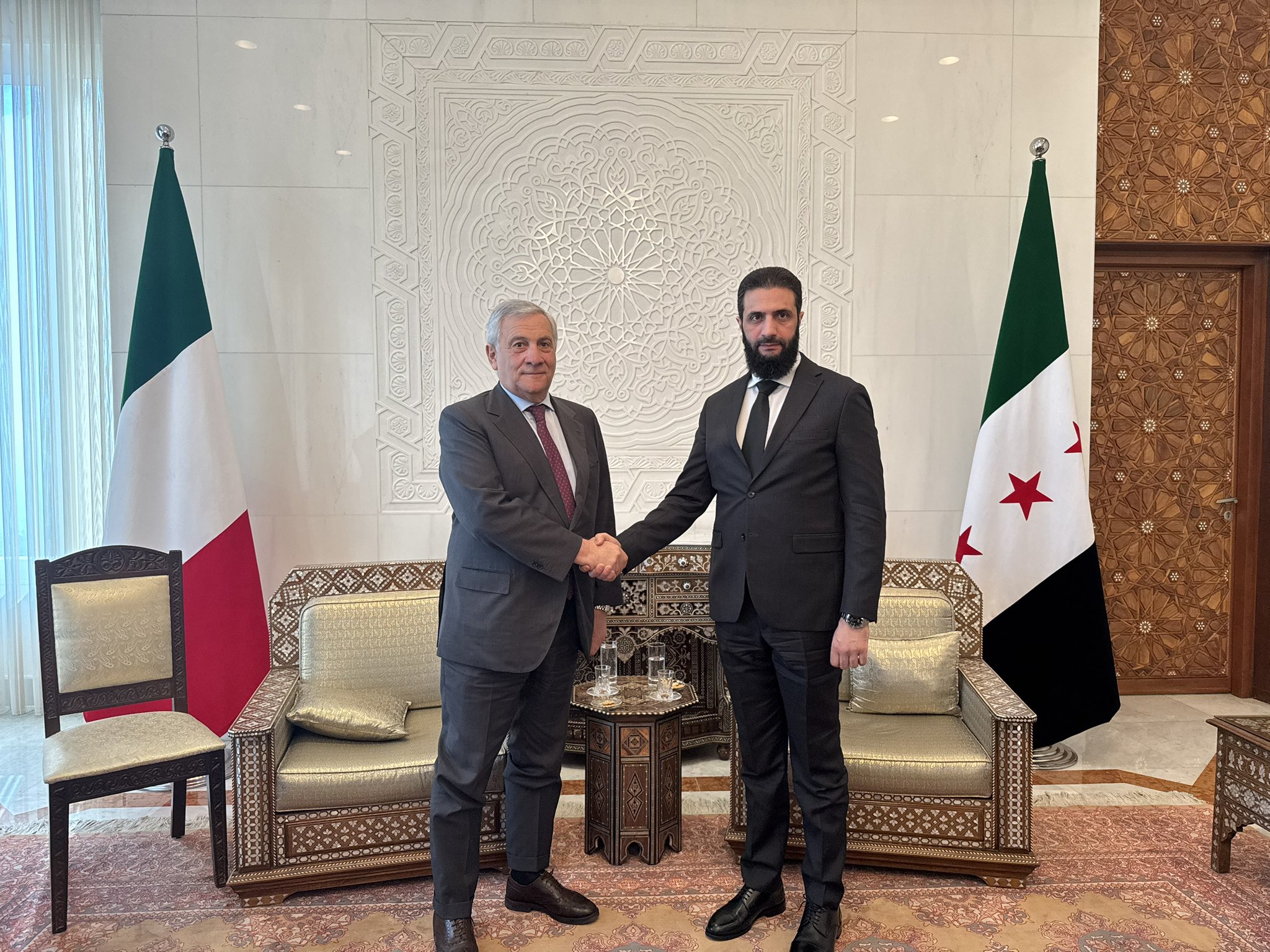
The idea was revived by Italian Foreign Minister Antonio Tajani, who met with the Syrian leader in Damascus on January 10. After the mission on behalf of the EU accomplished by his counterparts from Germany and France, Annalena Baerbock and Jean-Noël Barrot, Tajani is the third minister to make the acquaintances of al-Sharaa. “The time has come for change,” the deputy prime minister said, “we have to give signals and a message of confidence to the Syrian people and the new administration.
Hence, the proposal for a moratorium on sanctions, at least the most relevant ones, for six months or more, with the possibility of reintroducing them if Damascus betrays the democratic expectations of the international community. Concerning the Franco-German mission, Tajani’s visit was also framed within the framework of bilateral relations with the new Syria. “We want to revive cooperation between Italy and Syria, and we are ready to do so in crucial sectors such as energy, agriculture, and health,” the minister announced. To do so, the starting point is always the same: reviewing the tough sanctions regime still in place.
English version by the Translation Service of Withub
![L'Alta rappresentante per la politica estera e di sicurezza dell'UE, Kaja Kallas [Lussemburgo, 12 ottobre 2026. Foto: European Council]](https://www.eunews.it/wp-content/uploads/2026/10/kallas-261012-350x250.jpg)



![Il ministro dei Trasporti, Matteo Salvini [Bruxelles, 5 dicembre 2024. Foto: Emanuele Bonini per Eunews]](https://www.eunews.it/wp-content/uploads/2024/12/salvini241205-120x86.jpeg)