Brussels – The Istanbul talks on the Iranian nuclear programme went relatively well, at least to the extent that the parties involved decided to keep the negotiations open. Representatives of the Islamic Republic and the European members of the JCPOA, the ten-year-old agreement on the Ayatollahs’ atomic programme, which is about to expire, met in the Turkish city. The Europeans aim to persuade Tehran to make progress on its commitments, threatening to reintroduce pre-2015 sanctions.
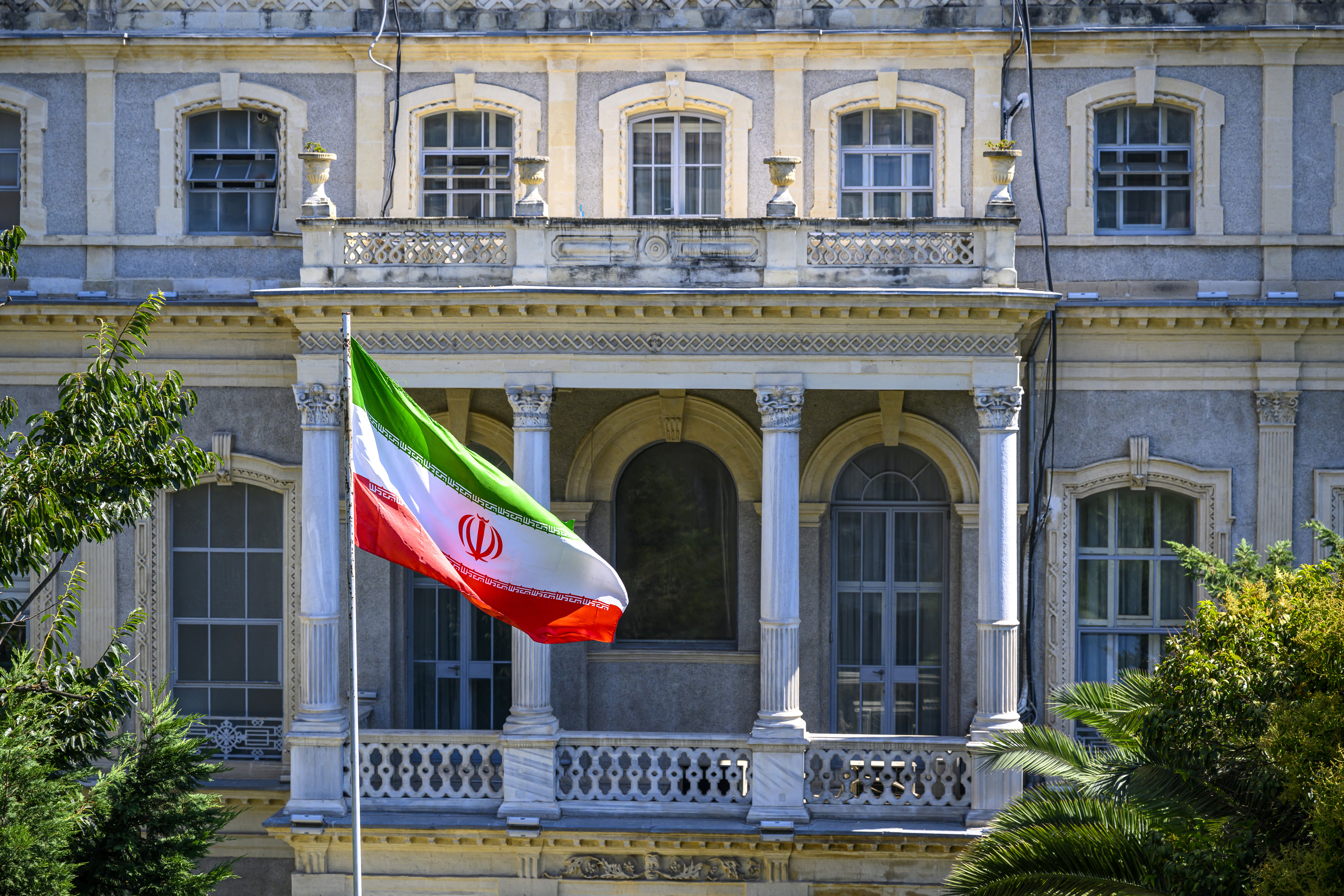
Iranian Deputy Foreign Minister Kazem Gharibabadi described a “serious, frank, and detailed discussion” with European counterparts in a post on X, offering a concise account of the meeting he had this morning (25 July) with his counterparts from France, Germany, and United Kingdom (the members of the so-called E3 group) at the Islamic Republic’s consulate in Istanbul. It was Gharibabadi’s superior, Abbas Araghchi, who announced the convening of the talks at the beginning of the week.
دکتر تخت روانچی و من گفتگویی جدی، صریح و مفصل با مدیران سیاسی سه کشور اروپایی/اتحادیه اروپا داشتیم. آخرین تحولات مربوط به لغو تحریمها و موضوع هستهای مورد بحث و بررسی قرار گرفت. ضمن انتقاد جدی از مواضع آنها در مورد جنگ تجاوزکارانه اخیر علیه مردم ما، مواضع اصولی خود، از جمله در…
— Gharibabadi (@Gharibabadi) July 25, 2025
“The latest developments regarding the revocation of sanctions and the nuclear issue were addressed,” the message continues, where the deputy minister specifies that, “while seriously criticising their positions regarding the recent war of aggression against our people, we explained our principled positions.” The reference is to the Israeli attack on 13 June, which was followed by the bombing of three nuclear sites in the Islamic Republic by the United States the following 22 June.
In the thousand-year-old city on the Bosporus—already the scene,
the day before yesterday, of other talks between Russia and Ukraine—the negotiating teams from Tehran, Paris, Berlin and London agreed to keep the diplomatic channel open, in the first meeting between representatives of the ayatollahs’ regime and Western powers since the
cease-fire. mediated by Donald Trump at the conclusion of the so-called 12-day war. The previous meeting was held in Geneva on June 20.

One of the central themes of today’s discussion was the so-called snapback mechanism, through which the Europeans are threatening to reintroduce the sanctions imposed against the Islamic Republic before 2015, when they were suspended as a result of the Joint Comprehensive Plan of Action (JCPOA), the historic agreement to which China, Russia, and EU are also parties and from which Trump withdrew the US in 2018.
The E3 nations agreed to give Iran until the end of August to resume talks in earnest, failing which the restrictive measures would be reinstated. The choice of this date is based on the fact that UN Security Council Resolution 2231, which disciplines the JCPOA, is set to expire on 18 October, and the snapback cannot be triggered within the 30 days preceding that deadline.
European chancelleries, therefore, want to keep their hands free to propose a possible reintroduction of sanctions to the Security Council by the first half of September. Conversely, after that date, the reinstatement mechanism will no longer be operational, and all restrictive measures decided upon before 2015 will cease to be valid as of 18 October, when the JCPOA will terminate. On the eve of the Istanbul meeting, the Islamic Republic made it known that it was not interested in a potential extension of Resolution 2231.

To demonstrate “good faith”, the Europeans asked Tehran to show its commitment on several key points. These include the resumption of direct talks with the White House, the full and continued collaboration with the International Atomic Energy Agency (IAEA), and the reporting of some 400 kilos of highly enriched uranium (close to the 90 per cent threshold above which it is possible to develop an atomic device) whose whereabouts are unknown following the US B-2 Spirit attacks on the plants of Fordo, Natanz, and Isfahan.
Also breathing a sigh of relief, at least a partial one, was the head of the IAEA, Rafael Grossi, who said he was “encouraged” by Iran’s green light for a visit by an IAEA delegation “in the coming weeks”, suggesting that this could pave the way for a return of UN inspectors by the end of the year. The Islamic Republic had expelled the IAEA staff following the escalation of the war, sharply criticising Grossi himself for his alleged complicity in the attacks by Tel Aviv and Washington.
English version by the Translation Service of Withub