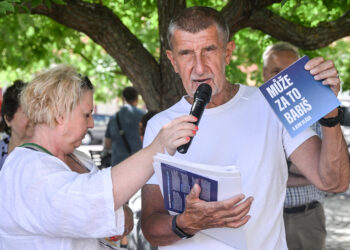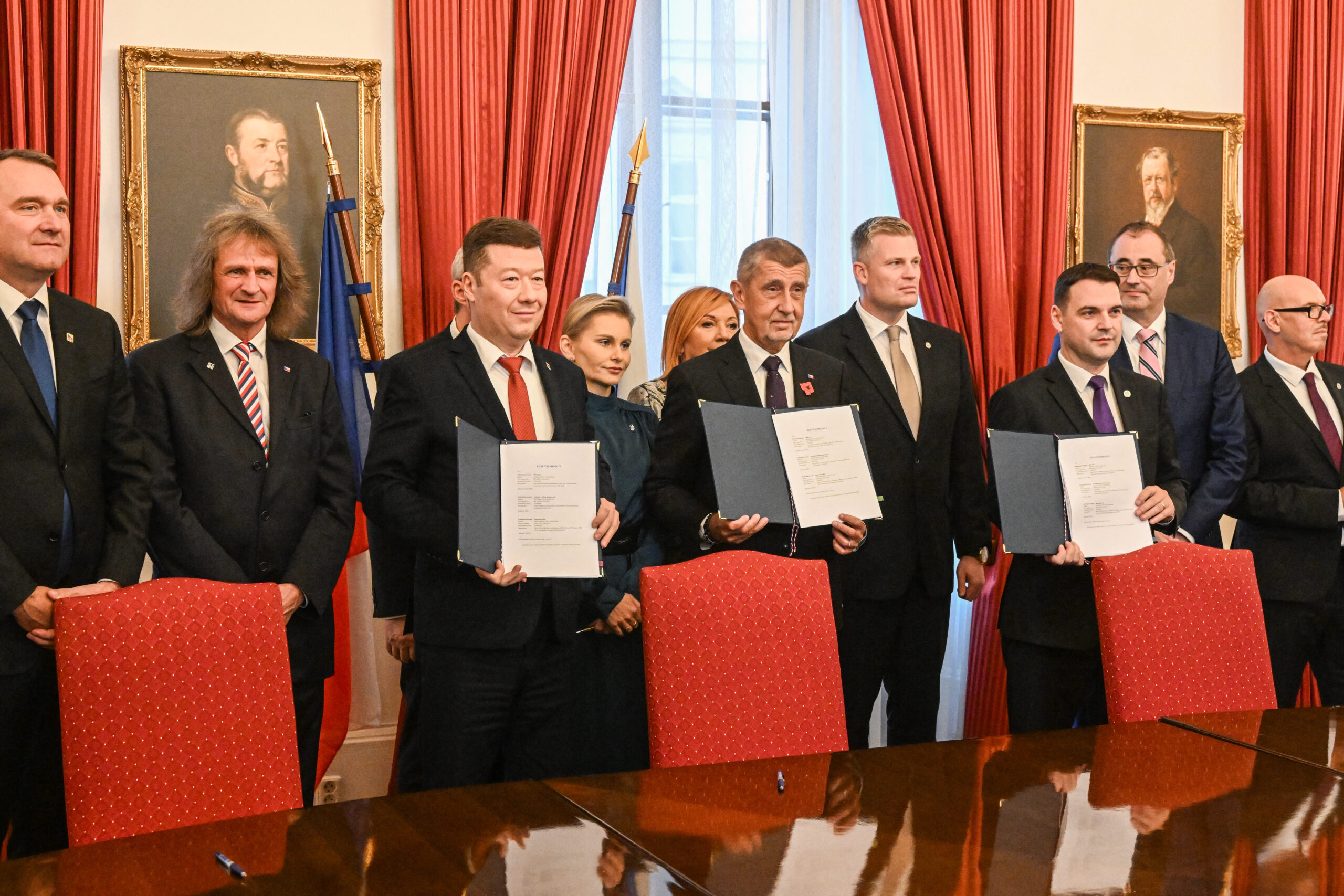
Brussels – There will be another Patriot at the European Council. In the Czech Republic, the billionaire Andrej Babis, leader of the Action of Dissatisfied Citizens party (ANO), signed the government program yesterday after winning last month’s elections. Two other right-wing political forces will be part of the coalition with ANO: Europe of Sovereign Nations (SPD) and the motorists of Motoristé sobě (Motorists for Themselves).
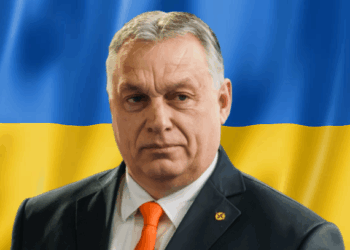
The government agreement outlines plans to reverse the European Green Deal, take backward steps in adopting the euro, and expresses concerns about support for Ukraine. At the alliance level, the program uses lofty tones to urge a return of the Visegrad group. Babis’ ambition is to breathe new life into the Central European political union composed of Slovakia, Hungary, Poland, and the Czech Republic. Needless to say, ANO’s list of priorities is in stark contrast to many of Brussels’ demands.

The government team
The coalition will be clearly skewed in favor of the Czech billionaire. Babis will have the final say on everything, given the 80 seats he has won. Working with him will be the ultra-right-wing supporters of the SPD (Europe of Sovereign Nations), who hold 15 seats, and the liberal-conservative Motoristé sobě (Motorists for Themselves) party, with 13 elected MPs. The government is likely to be polarized to the right, with populist affinities similar to those of its neighbors in Slovakia and Hungary.
The Battle at the Green Deal
It may be precisely under the “No” banner to the green transition that the Central European alliance could be reborn. Not only have Hungary and Slovakia constantly wavered in the face of the EU Commission’s environmental proposals, but Polish Prime Minister Donald Tusk is also very cautious. An alliance against the Green Deal could become the main battleground in the European arena. The ANO leader has already announced that “the Green Deal is not sustainable in its current form, which is why we will promote its fundamental revision.” For example, the EU-imposed ETS2 quotas, the European carbon market created by the EU to reduce greenhouse gas emissions, would not be accepted. There is also a no-go for the ban on combustion engine cars, considered “unacceptable” by Babis and detested (of course) even within the ranks of the Motorists for Themselves.
Ukraine and Czech munitions
The headaches for Brussels also come from foreign policy. While there is a ban on the SPD’s proposed referendums against NATO and the EU, support for Ukraine is not assured. The Czech Republic is one of the major munitions producers in Europe and is heavily involved in supplies to Kyiv. The government program speaks of a generic support for “diplomatic measures that will lead to the end of the war in Ukraine and the elimination of war risks in Europe.” The ambiguity is intentional.
The Ukrainian president, Volodymyr Zelensky, aware of the problem, phoned Babis a few days after the election victory. The phone call ended with the decision that he would have to “discuss the problem face to face.” For Kyiv and Brussels, this will not be easy, as the Czech billionaire has always been accused of having opaque ties with the Kremlin. In his life as an entrepreneur, he has had several business relations with Russian oligarchs close to the Kremlin.
No euro for Prague
The latest blow against the European Union is the proposal for a constitutional law guaranteeing the Czech Koruna as the national currency. This would be contrary to the obligation arising from the treaties signed by Prague to work towards the introduction of the single currency. The 38-page program, in summary, sees the European Union as an opponent to be fought. “Not surprisingly, everything was already clear in the election campaign,” writes the columnist, Martin Zverina, of the Czech daily, Lidove Noviny.
English version by the Translation Service of Withub