



![Una delegazione di Coldiretti alla manifestazione degli agricoltori a Strasburgo, 21/1/26 [Credits: Federica Onnis]](https://www.eunews.it/wp-content/uploads/2026/01/WhatsApp-Image-2026-01-20-at-11.21.34-e1768908171313.jpeg)
From our correspondent in Strasbourg – The European Parliament can still derail Ursula von der Leyen and scrap the free trade agreement – already signed by the President of the European Commission and endorsed by the governments of the 27 member states – between the EU and Mercosur. Tomorrow, (21 January), the dress rehearsal, when the Chamber will vote on referring the text to the EU Court of Justice to verify its compatibility with the Treaties. A “very close” vote is expected in Strasbourg.
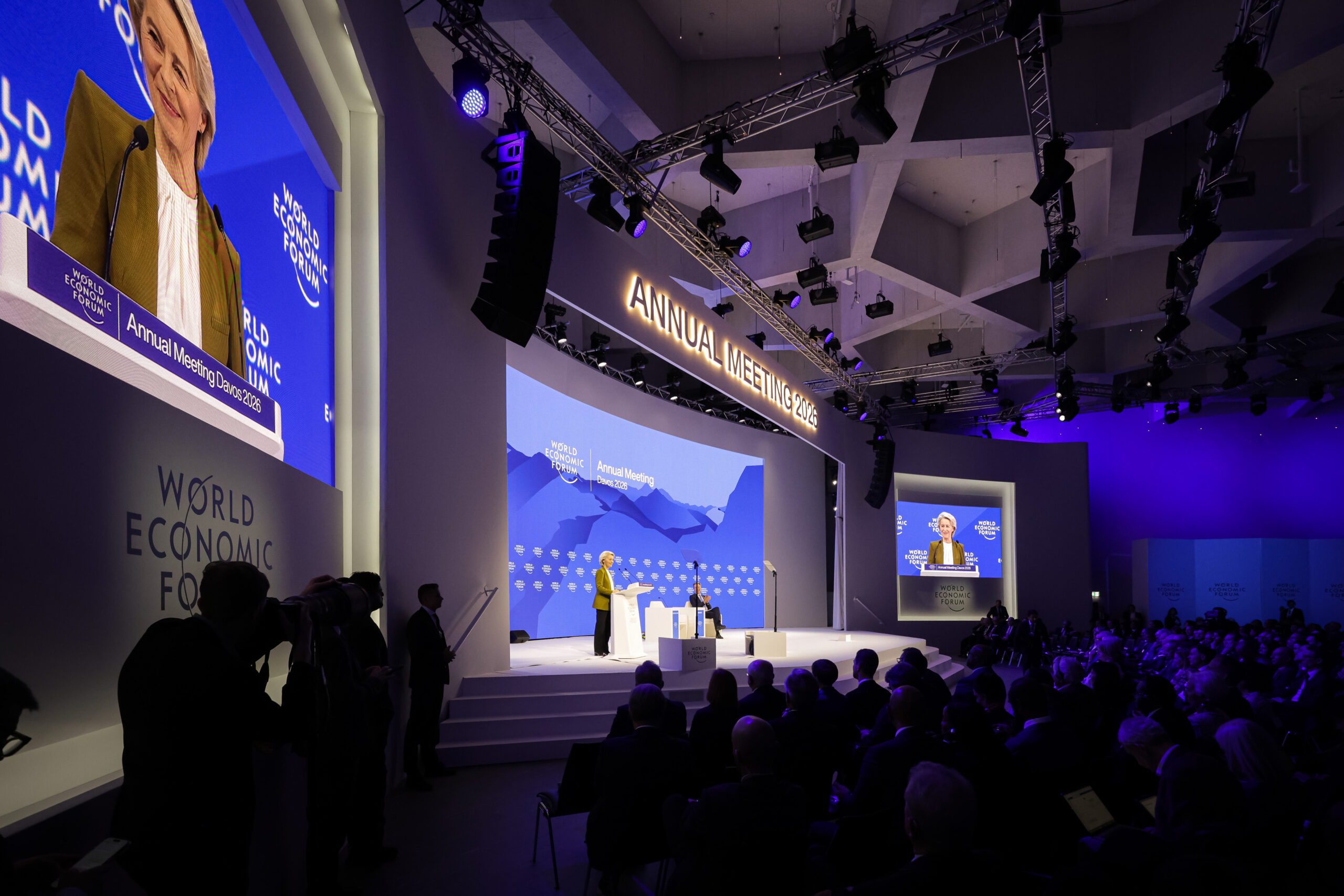
That tomorrow will be a decisive day is already clear from the eve. The parade of tractors and agricultural confederations through the streets of the French city, the words of political group leaders, and von der Leyen’s speech at the World Economic Forum in Davos. The EU leader insisted: “This agreement sends a powerful message to the world. That we are choosing fair trade over tariffs. Partnership over isolation. Sustainability over exploitation.” The EU-Mercosur agreement carries significant geopolitical weight, given the progressive erosion of transatlantic relations and Donald Trump’s ambitions in Latin America.
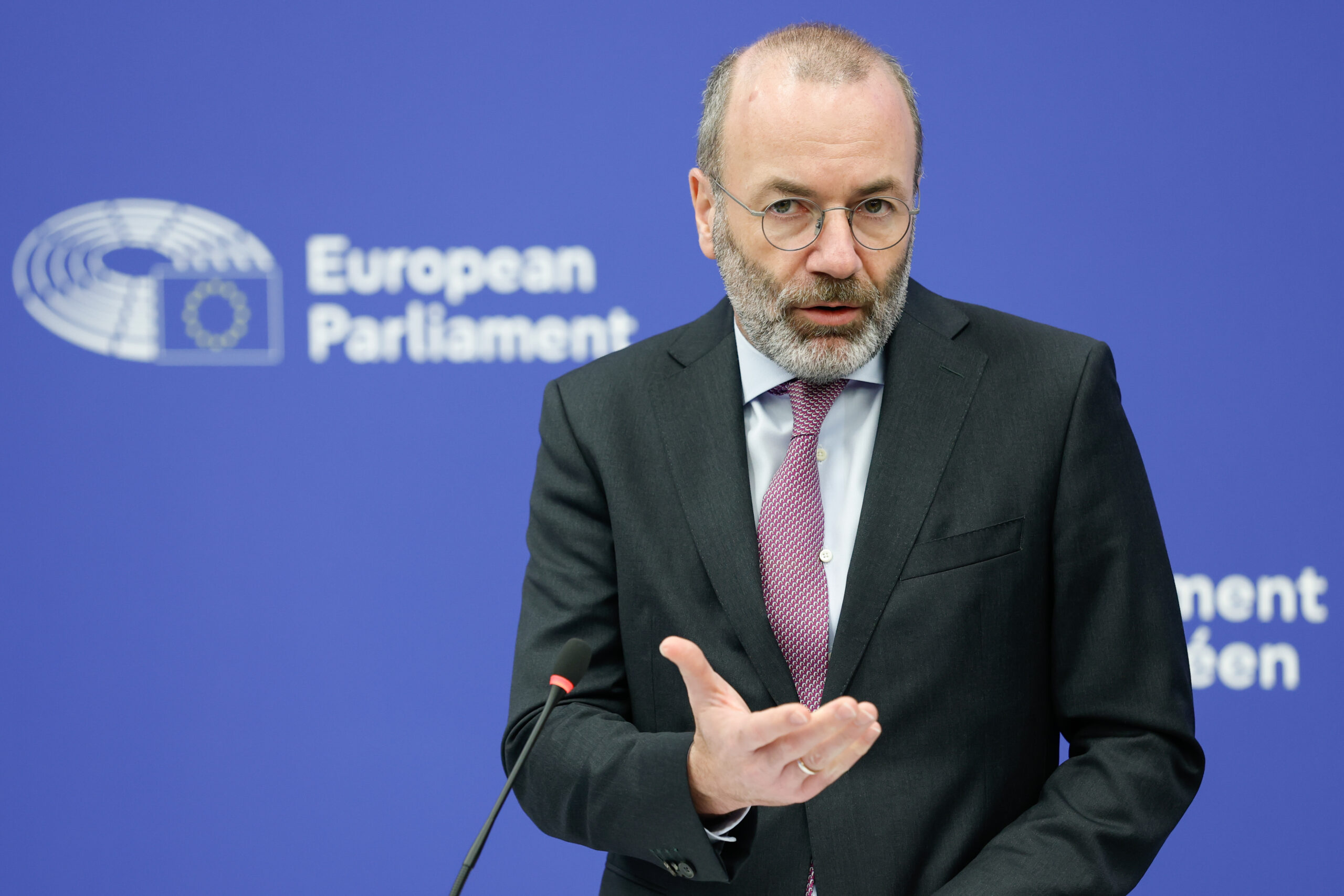
This is the interpretation adopted by the two main groups, the People’s Party (EPP) and the Socialists (S&D). “We support the agreement with Mercosur, it is an anti-Trump agreement because it shows that a rules-based approach is still possible in Europe,” said EPP leader Manfred Weber this morning. For Iratxe Garcia Perez, leader of the Socialists, saying yes to the agreement “is now more important than ever; it is the best response to the Monroe Doctrine” revived by Trump.
However, tomorrow’s vote will not be on ratifying the agreement. That moment will not come for several months. Tomorrow, the European Parliament will decide whether to follow up on the initiative launched in November by 145 MEPs from the EPP, S&D, Renew, Greens, and The Left to verify the agreement’s compatibility with the EU Treaties. If the Chamber approves the request, the final ratification of the agreement will be suspended until the judges in Luxembourg issue their ruling.
The EPP’s position “is to vote against this request,” clarified Jörgen Warborn, coordinator for the EPP on international trade. According to the Swedish MEP, “there is probably no legal reason” behind the request to refer the matter to the Court of Justice, but only “a political move to delay the process.” This is a “very unfortunate” move, because “impatience is growing in our partner countries.” However, Warborn himself admitted that within the moderate right, “some delegations are divided”.
The same applies to the socialist family, while the president of the Renew liberals, Valérie Hayer, said that referring the matter to the Court of Justice “is the best thing to do.” As for the final vote on the agreement in the coming months, “I really can’t say what the European Parliament will do, but I think it will be quite close. In any case, we have the power of veto, but if we reject this agreement, it will not mean the end of the story. We will still have relations with the Mercosur countries,” Hayer stressed.
Even more unpredictable will be the behaviour of the European Conservatives and Reformists, whose leader, Nicola Procaccini, of the Forza d’Italia party, has announced that he will allow a free vote “so that our delegations can vote in accordance with their national interests.” In all likelihood, those pushing to refer the agreement to the Court — and opposing the terms of the deal more broadly — will be the Patriots for Europe (who have tabled a new no‑confidence motion against von der Leyen over Mercosur) and the European Left. For the Five Star Movement delegation, which today took part in the farmers’ protest in Strasbourg, the agreement is “a gift to German interests” and “will not bring the economic benefits that some sectors think they will obtain, but will instead compromise a strategic sector for Europe.” Gaetano Pedullà, deputy head of the Five Star Movement delegation, lashed out at “those parties that had promised to defend the interests of agriculture in Italy” and that “have betrayed them.”
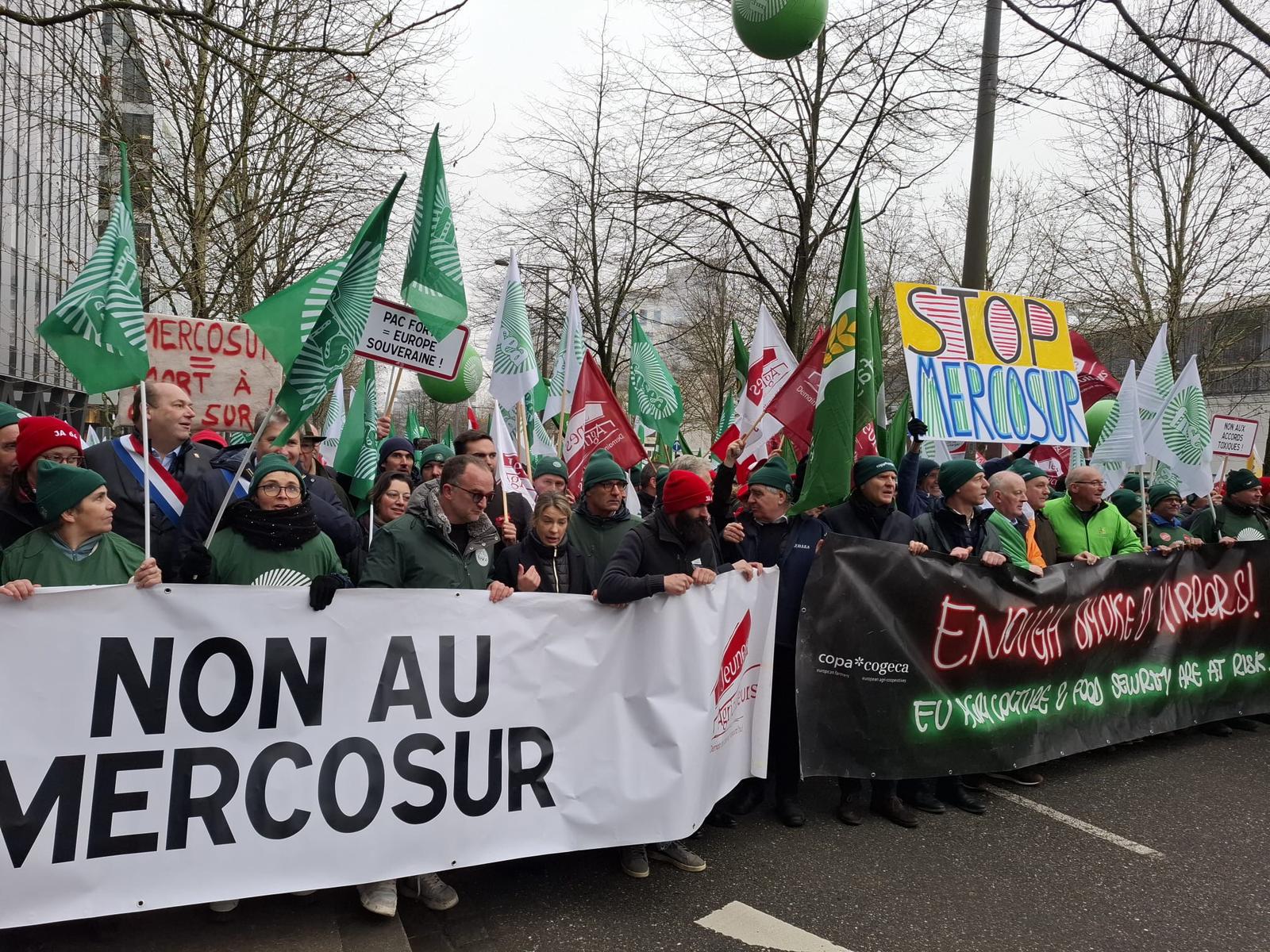
The Italian agricultural sector was among the most numerous to march in Strasbourg. This was despite the safeguards for agriculture included in the agreement by the European Commission, on which the Italian government claimed a decisive role. Coldiretti, Confagricoltura and CIA – Italian Farmers were present. CIA President Cristiano Fini reiterated: “We will only accept Mercosur on our terms. That is why we are here today in Strasbourg with hundreds of farmers from all over Italy. We reiterate to the European Parliament that without full reciprocity and strict controls, there can be no agreement. Agriculture would be left in ruins.”
English version by the Translation Service of Withub






![La video riunione dell'Eurogruppo [27 marzo 2026. Foto: European Council]](https://www.eunews.it/wp-content/uploads/2026/03/eurogruppo-260327-120x86.jpg)
