- Europe, like you've never read before -
Tuesday, 21 April 2026
No Result
View All Result
  • it ITA
  • en ENG
Eunews
  • Politics
  • World
  • Business
  • News
  • Defence
  • Health
  • Agrifood
  • Other sections
    • Culture
    • Diritti
    • Energy
    • Green Economy
    • Finance & Insurance
    • Industry & Markets
    • Media
    • Mobility & Logistics
    • Net & Tech
    • Sports
  • Newsletter
  • European 2024
    Eunews
    • Politics
    • World
    • Business
    • News
    • Defence
    • Health
    • Agrifood
    • Other sections
      • Culture
      • Diritti
      • Energy
      • Green Economy
      • Finance & Insurance
      • Industry & Markets
      • Media
      • Mobility & Logistics
      • Net & Tech
      • Sports
    No Result
    View All Result
    Eunews
    No Result
    View All Result

    Home » Business » ECB: “Digital euro from 2029, provided EU institutions agree in 2026”

    ECB: “Digital euro from 2029, provided EU institutions agree in 2026”

    Piero Cipollone, chair of the high-level task force on the digital euro and member of the ECB's Executive Board: "We are working on the assumption that there will be agreement between the Council and Parliament." Cooperation agreement signed for a digital euro tailored to the needs of the elderly and people with disabilities.

    Emanuele Bonini</a> <a class="social twitter" href="https://twitter.com/emanuelebonini" target="_blank">emanuelebonini</a> by Emanuele Bonini emanuelebonini
    18 February 2026
    in Business

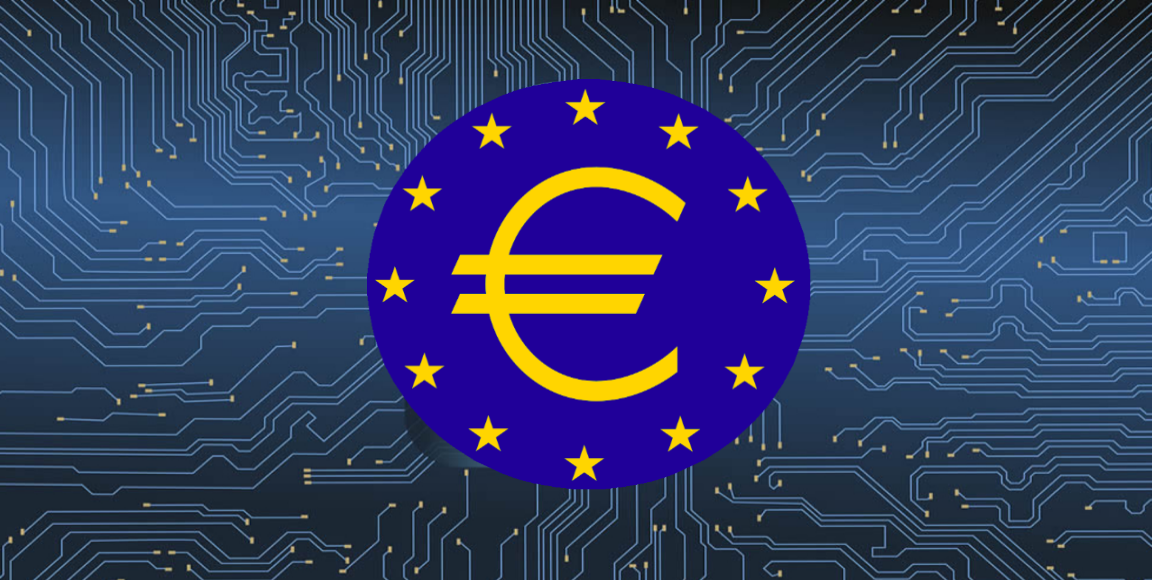
    Brussels – “We aim to be ready for a potential first issuance of the digital euro during 2029.” The chair of the high-level task force on the digital euro and member of the ECB’s Executive Board, Piero Cipollone, breaks the deadlock. The pan-European payment system to be used within the single market as an alternative to Visa and Mastercard has a timetable and a team working to make it happen. Now, however, it is up to the politicians. The possibility of having a digital euro in three years’ time is based “on a working assumption that the EU co-legislators will adopt the Regulation on the
    establishment of the digital euro in the course of 2026”, he said at the ABI meeting.

     The EU Council has its own negotiating position on the file, and Parliament has just decided to start negotiations and the legislative process. Expectations are now that the House will define its negotiating position by May, so that inter-institutional negotiations can be concluded by the end of the year and the regulation approved. The European Central Bank is moving forward on this basis and, according to its roadmap, plans to launch a one-year “pilot exercise and initial transactions in mid-2027,” conducted “in a controlled Eurosystem environment,” thus managed by the European Central Bank.

    Acting swiftly to meet deadlines, objectives, and, above all, to achieve those competitiveness goals that are now central to the twelve-star agenda. Speaking to the audience of the Italian Banking Association, Cipollone reminded that payment service providers (PSPs) such as banks and the Italian Post Office, in the case of Italy, would save on operating costs because the digital euro “creates a European acceptance infrastructure” with lower commission and management costs, Cipollone emphasises, while providing standards open to private solutions.​

     The European Central Bank is therefore moving forward with the digital euro project, and is doing so by also launching a brand new unpaid collaboration with the ONCE Foundation for the cooperation and social inclusion of people with disabilities, aimed at promoting, developing, and ensuring that the future digital euro app is easily accessible to everyone, including the elderly, and people with disabilities or limited digital skills. In Frankfurt, in short, they are getting serious: the all-European payment circuit alternative to Visa and Mastercard wants to be truly for all Europeans.

     “Accessibility and inclusion are not optional features, but core digital euro design principles,” Cipollone, member of the ECB’s Executive Board and chair of the high-level task force on the digital euro, said. “By working with organisations such as the ONCE Foundation, we are helping to ensure that the digital euro empowers every citizen in the digital age, leaving no one behind,” he added.

    In this further step towards the creation of a digital euro, “we will incorporate experts in accessibility and user experience who are persons with disabilities into the project team, thereby combining technical knowledge with lived experience,” said Jesús Hernández Galán, Director of Accessibility and Innovation at the ONCE Foundation.

    English version by the Translation Service of Withub

    Tags: bcedigital euroeuroeuropean central bankpiero cipollone

    Related Posts

    EURO DIGITALE ECONOMIA SOLDI FINANZA MONETA VIRTUALE GENARATE AI IA VALUTA PAGAMENTO
    Business

    Cipollone presents Digital Euro as an anti-crisis tool

    4 September 2025
    Business

    ECB pushes digital euro, meets the needs of Draghi report

    23 September 2024
    map visualization

    Russia: EU blacklists Euromore and Pravfond, calling them “propaganda outlets”

    by Renato Giannetti
    21 April 2026

    Accused of spreading the Kremlin’s narrative on the war in Ukraine. The two entities’ assets have been frozen. Europeans are...

    ©Nicolas Liponne/MAXPPP - Budapest 28/06/2025 Des personnes de la communauté LGBTQIA+ participent à la gay pride, intitulé Pride for Freedom, à Budapest le 28 juin 2025. Plus de deux cent mille personnes ont défilé malgré l'interdiction de la manifestation par Viktor Orban, premier ministre à la tête du gouvernement hongrois, justifié par la loi de protection de l'enfance qui interdit les livres, films ou produits culturels qui "encouragent ou représentent une identité différente de celle du sexe de naissance, un changement de genre ou l'homosexualité". La manifestation s'est déroulée sans incidents malgré les menaces de contre-manifestation de l'extrême droite.
People from the LGBTQIA+ community take part in the gay pride event, entitled Pride for Freedom, in Budapest on June 28, 2025. Over two hundred thousand people marched despite a ban on the event by Viktor Orban, Hungary's prime minister, justified by a child protection law that bans books, films or cultural products that “promote or represent an identity different from that of one's birth sex, a change of gender or homosexuality”. The demonstration went off without a hitch, despite threats of counter-demonstrations from the far right.

    EU Court of Justice rules against Orbán’s legacy: his anti‑LGBTQ+ law breaches EU law

    by Giorgio Dell'Omodarme
    21 April 2026

    The judges in Luxembourg have upheld the European Commission’s appeal in full: the EU’s fundamental values and internal market rules...

    Sigarette - Corte

    EU Court rules cigarette emissions tests must be freely accessible to all

    by Ezio Baldari @eziobaldari
    21 April 2026

    The case originated in the Netherlands: in 2018, a foundation working to prevent smoking among young people asked the relevant...

    An Israeli soldier tries to prevent Palestinians from reaching their houses in Nur Shams refugee camp in the West Bank city of Tulkarm, Nov. 18, 2025. Palestinians took part in a demonstration demanding the right to return to their houses at the entrance of Nur Shams refugee camp, while Israeli soldiers assaulted the crowd and forced them to leave the area. Photo by Nidal Eshtayeh/Xinhua/ABACAPRESS.COM

    France and Sweden call for EU sanctions against Israeli settlements in the West Bank

    by Emanuele Bonini emanuelebonini
    21 April 2026

    In a joint statement, the two delegations call for restrictions on trade with the settlements: "The ever and fast deteriorating...

    • Director’s Point of View
    • Opinions
    • About us
    • Contacts
    • Privacy Policy
    • Cookie policy

    Eunews is a registered newspaper
    Press Register of the Court of Turin n° 27


    Copyright © 2025 - WITHUB S.p.a., Via Rubens 19 - 20148 Milan
    VAT number: 10067080969 - ROC registration number n.30628
    Fully paid-up share capital 50.000,00€


    No Result
    View All Result
    • it ITA
    • en ENG
    • Politics
    • Newsletter
    • World politics
    • Business
    • General News
    • Defence & Security
    • Health
    • Agrifood
    • Altre sezioni
      • Culture
      • Diritti
      • Energy
      • Green Economy
      • Gallery
      • Finance & Insurance
      • Industry & Markets
      • Media
      • Mobility & Logistics
      • Net & Tech
      • News
      • Opinions
      • Sports
    • Director’s Point of View
    • Draghi Report
    • Eunews Newsletter

    No Result
    View All Result
    • it ITA
    • en ENG
    • Politics
    • Newsletter
    • World politics
    • Business
    • General News
    • Defence & Security
    • Health
    • Agrifood
    • Altre sezioni
      • Culture
      • Diritti
      • Energy
      • Green Economy
      • Gallery
      • Finance & Insurance
      • Industry & Markets
      • Media
      • Mobility & Logistics
      • Net & Tech
      • News
      • Opinions
      • Sports
    • Director’s Point of View
    • Draghi Report
    • Eunews Newsletter

    Attention