Halfway through their term, all US presidents face a test of public approval: the “mid-term” elections, held roughly halfway through a president’s four-year term, on the Tuesday following the first Monday in November. In these elections, all 435 seats in the House of Representatives and 33 or 34 of the 100 seats in the Senate are up for election.
There are still eight months to go before this test — not a short time — and Donald Trump may struggle to pass it. Judging by what is happening here in Europe, he might indeed fail. Being close to Trump doesn’t help; it doesn’t earn citizens’ trust.
Just last weekend, elections were held in France, Italy, and Slovenia. Two large countries and one small one, all within the European Union. Even the small one, however, was of considerable importance this time, because it could have become Trump’s “third pillar” in the Union, after Hungary and the Czech Republic, making the management of the 27 very, perhaps too, complicated – not least because being “pro-Trump” normally also means being “pro-Putin,” which, with the war in Ukraine ongoing, is quite a problem.
In France, Trump doesn’t have many close friends. Marine Le Pen appears to remain a close ally of Vladimir Putin, but she is increasingly less so of Trump. She is, however, a staunch figure on the far right, who distances herself from Trump precisely because she agrees with him on so many points; and, as we have written on several occasions (not just here – it is a fairly widely accepted view), nationalists cannot get along all that well; sooner or later, their paths diverge by their very nature. And so, the French right-wing and far-right parties continue to do well but fail to make a breakthrough; they do not win over the major cities and indeed lose ground in the medium-sized ones, even though they win in a myriad of tiny municipalities (around 1,200, but that is not many, given that there are almost 35,000 French mayors in total, compared, for example, less than 8,000 in Italy). In short, Trump lacks a counterpart in France – unless one counts Putin – and will continue to do so.
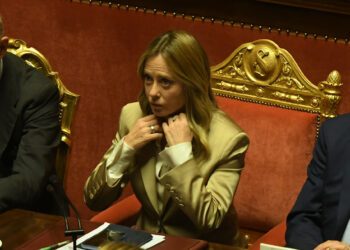
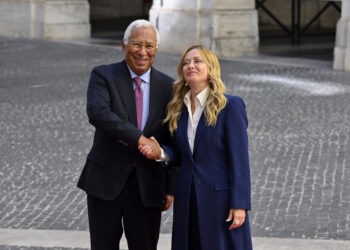
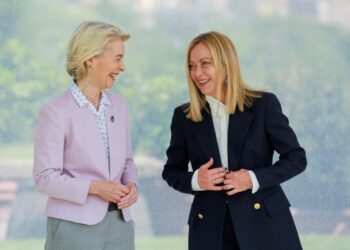
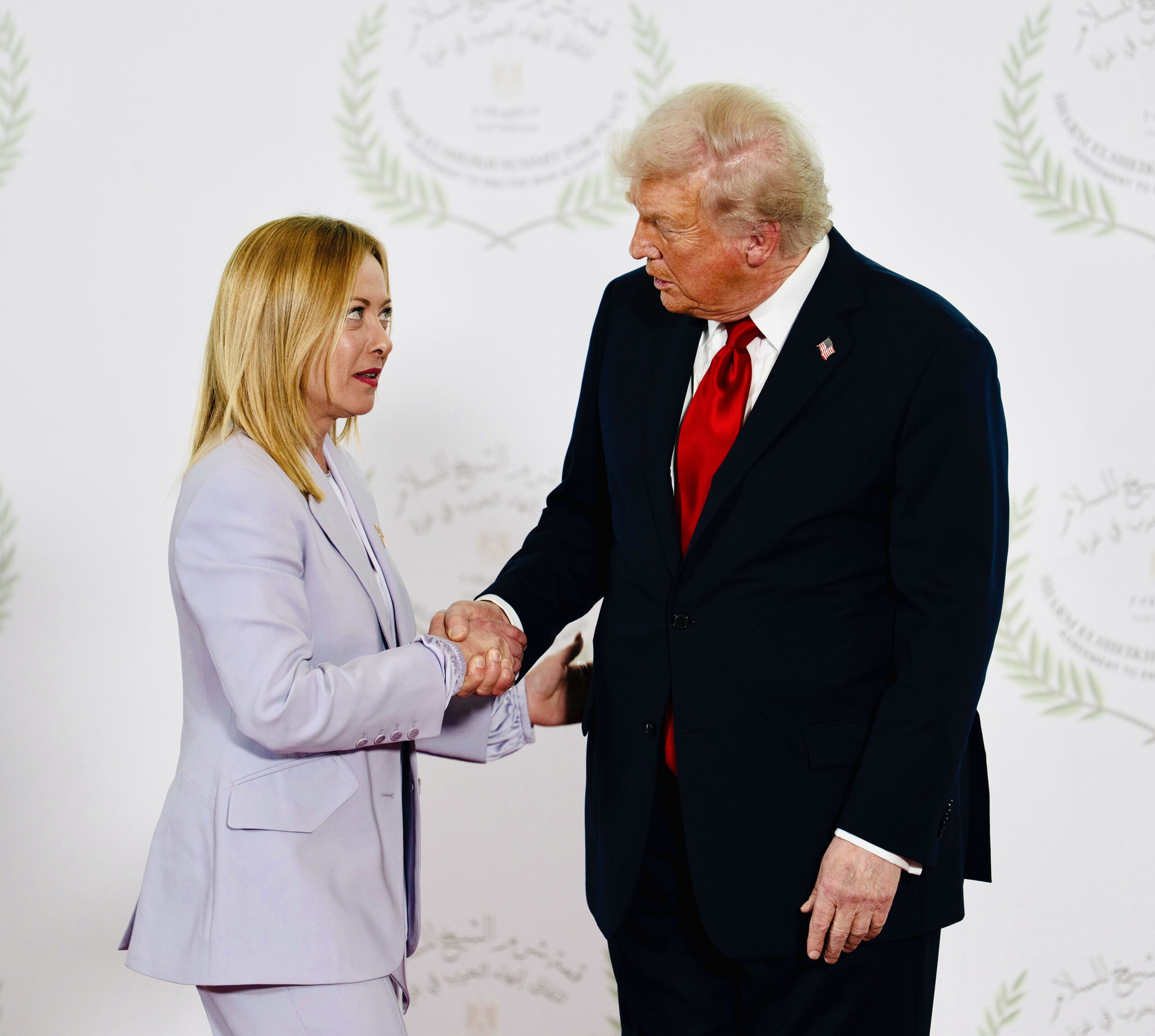
In Italy, Prime Minister Giorgia Meloni spent the first year of the US President’s term trying to position herself as his point of contact for the European Union. It was a futile attempt and, indeed, came to nothing. Meloni remains close to the President, however, to the extent that she has been unable to condemn the reckless attack on Iran. On Sunday and Monday, a vote took place in what the Prime Minister had anticipated would be a referendum on her leadership, to the point that she refused to seek a parliamentary majority for the constitutional reform approved only by the centre-right, announcing from the outset that she would put the reform to the people. She was expecting a triumph, a moment of consecration. Instead, it was a bloodbath — the beginning of her downfall, the clear proof that even she makes mistakes, and big ones. The vote was political; voters did not trust this majority to handle a matter as sensitive as reforming the judicial system. Meloni lost; her ostentatious friendship with Trump (which may be more of a courtship) didn’t help: she doesn’t get her consecration, and he is left with a weaker ally.
And finally (as voting is currently underway in Denmark), we come to Slovenia. A beautiful country where an openly pro-Trump leader, who has already served as prime minister three times, could have won the election. He fell short; he did reasonably well but still came second, and is unlikely to form a government.
This is a recurring pattern: more and more leaders close to the US president are being defeated. The idea that closeness to Trump is the key to victory has been a trend that may end sooner than expected. Fortunately.
P.S.: Speaking of parables, whatever happened to the Board of Peace, the one rolled out (for a price) right before the attack on Iran?
English version by the Translation Service of Withub