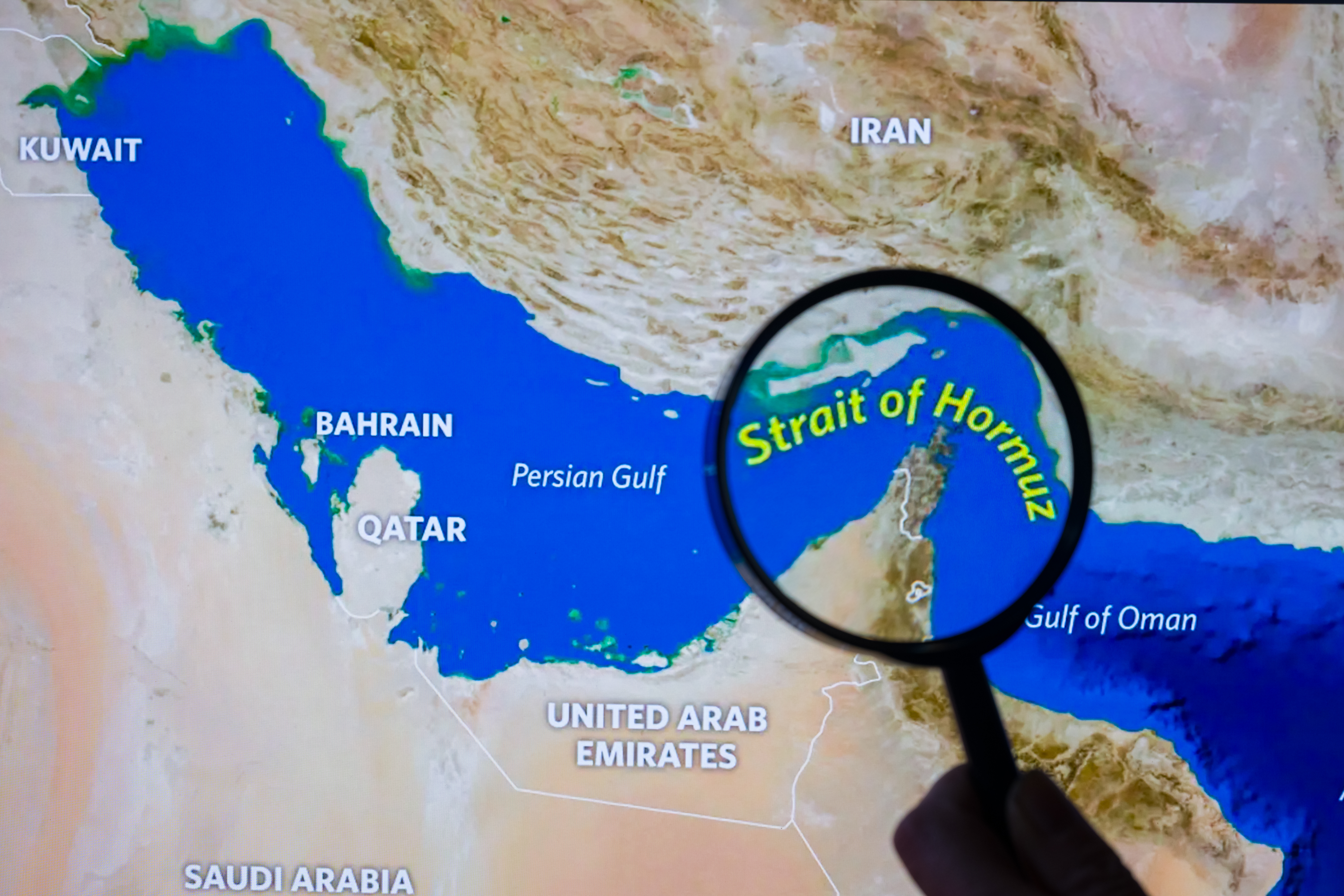
Brussels – European Union Member States are being urged “to prepare in good time for a potentially prolonged disruption” to energy supplies. The European Commissioner for Energy and Housing, Dan Jørgensen, writes this in a letter sent to all European Union energy ministers asking them to “make timely and coordinated preparations” to ensure the supply of oil and refined petroleum products within the Union. The call is a direct consequence of the market volatility linked to the conflict in the Middle East and the closure of the Strait of Hormuz. According to the Commissioner, Member States are currently “well prepared” thanks to the common obligation to maintain oil stocks and have contingency plans in place. “The European Union is facing this period from a position of relative preparedness, given the obligation for Member States to maintain oil stocks and have contingency plans in place in response to incidents that compromise security of supply,” he explains. But he urges everyone to be prepared.
“To mitigate the immediate impact, members of the International Energy Agency (IEA, 32 members and 13 associates) had already agreed to release over 400 million barrels from emergency stocks onto the market, with EU Member States accounting for around 20 per cent of this contribution,” Jørgensen notes in the letter. In addition to the release of strategic reserves, the Commissioner emphasises that voluntary demand reduction measures are a key response tool, calling on the AIE 10-Point Plan to cut oil use. In light of the current situation, Member States are invited to “consider promoting demand reduction measures, in accordance with their own emergency plans, paying particular attention to the transport sector.”
Jørgensen also suggests making use of the “Gas Coordination Group
together with the Energy Union ‘Security’ Task Force” to strengthen coordination and promote joint planning capable of “optimising the balance between supply and demand in the long term.” To avoid exacerbating supply difficulties, Member States should refrain from adopting measures that could “increase fuel consumption, restrict the free movement of petroleum products or discourage production by EU refineries.” It is also recommended that dialogue with neighbouring countries and the European Commission be stepped up to “preserve consistency at EU level and the functioning of the internal market.”
To safeguard the availability of petroleum products on the European market, the Commissioner finally calls for “postponing any non-urgent maintenance work at refineries.” At the same time, greater use of biofuels could “help replace fossil-based petroleum products and ease pressure on the market.”
English version by the Translation Service of Withub