
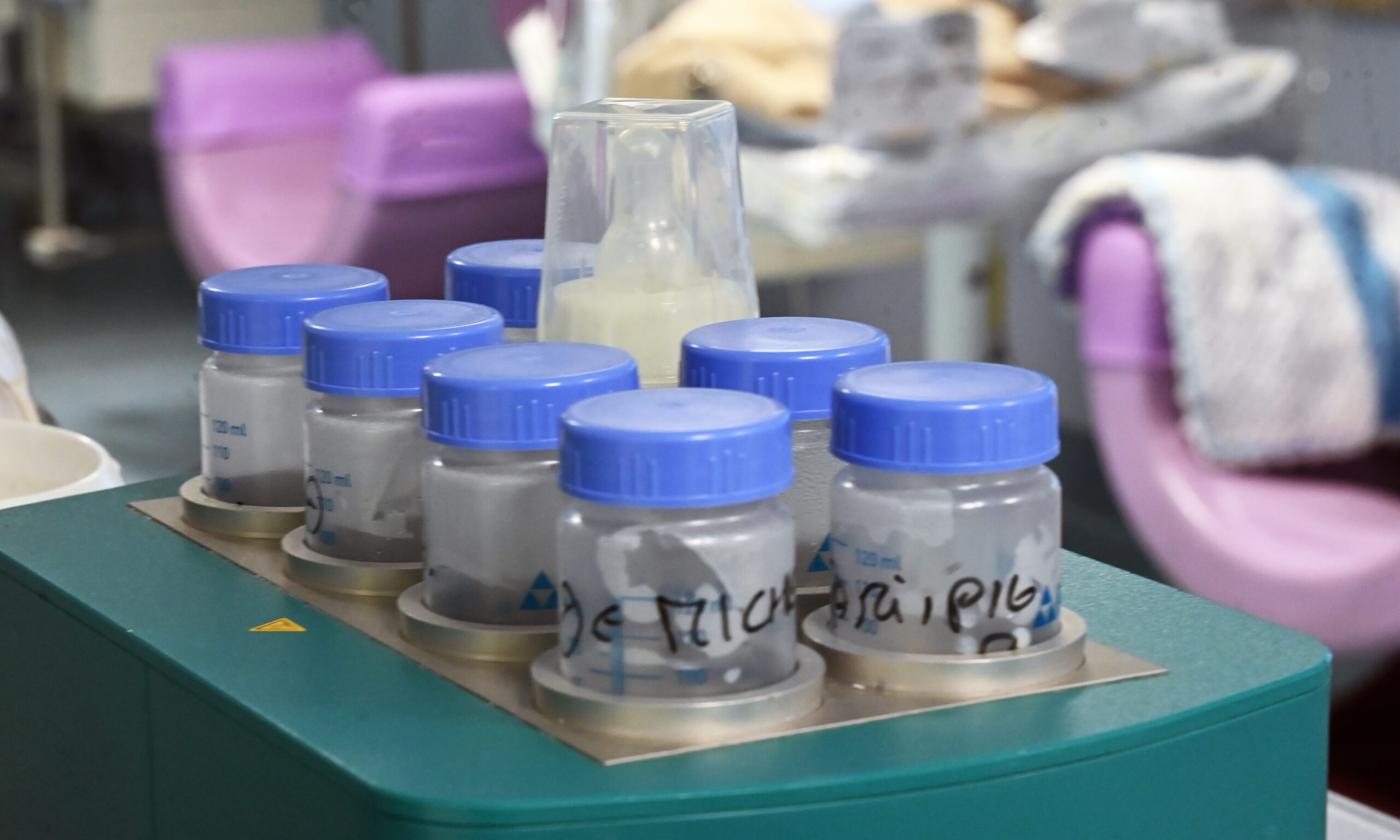
Brussels – Contaminated infant formula in ‘significant’ volumes: Nestlé recalled 25 batches in 16 EU countries on 10 December 2025 over a potential threat, according to Yvan Verougstraete, a liberal MEP (RE), who is seeking clarification from the European Commission in a parliamentary question. However, “the Commission is currently not planning a comprehensive review of EU infant
nutrition rules,” Commissioner for Health Oliver Varhelyi replied.
As the Commissioner responsible for responding on behalf of the entire College essentially explains, the Commission does not consider that the situation warrants any amendment to EU legislation. The Commission, he points out, “remains committed to maintaining the highest food safety standards through
continuous monitoring and improvement of existing measures.” This means inspections and, at most, delegated acts explaining how to implement the existing rules.
The incident in the EU involving infant formula concerns the cereulide toxin, produced by a bacterium commonly found in soil and agricultural products. Its distinctive feature is that it is heat-stable, meaning it can withstand heat and therefore remains active even after food and drink containing it has been heated. Once ingested, it causes nausea, cramps, vomiting and, consequently, dehydration. It is precisely because of these risks that young children are more vulnerable to the toxin.
Specifically, in response to this incident, “the Commission enhanced coordination with Member States by
sharing Rapid Alert System for Food and Feed (RASFF) alerts and activating its existing
network of crisis coordinators,” Varhelyi said. “Once the incident is resolved, the network of food and feed
safety crisis coordinators will be reconvened to have a review on lessons learned, with special
attention to communication protocols at all levels.” However, the rules will not be changed, for now.
The Commission has nonetheless moved to tighten controls on ‘made in China’ goods. What happened with infant formula was “due to the Chinese source of contamination,” the Health Commissioner claimed. It concerns “arachidonic acid oil, used as an ingredient in infant formulae.” “In the absence of robust guarantees provided in the response by China,” the Commission has imposed stricter controls on imports of arachidonic acid oil from China, effective from 26 February 2026. This is a further warning against the low-cost Chinese food phenomenon within the single market.
English version by the Translation Service of Withub

![[foto: European Council]](https://www.eunews.it/wp-content/uploads/2026/03/euco-260319-120x86.jpg)