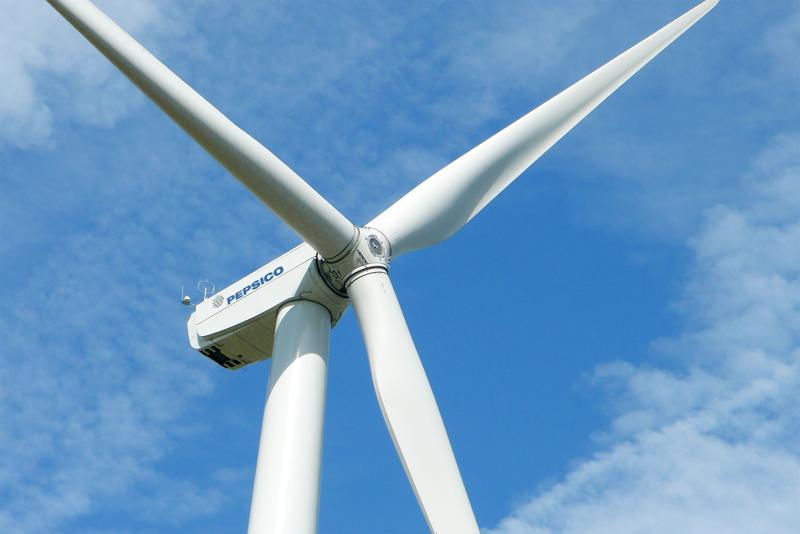
Brussels – Wind turbines release microplastics into the atmosphere, making them less sustainable than claimed. True, but not nearly as unsustainable as the traditional fossil-fuel-based economy. There is a clash over the green economy between the European Commission and the Eurosceptic sovereigntists in the European Parliament. Quoting a scientific study, the Austrian MEP Gerald Hauser (FPO/PfE) denounces that “one wind turbine can shed up to 62 kg of microplastics annually, with harmful effects on the air, water bodies, soil and oceans.” The European Commission nips controversy and implicit accusations against the Green Deal, using a contextual comparison that criticises the traditional economic and production model.
“Research indicates that plastic emissions from wind turbines are much lower than from other
sources“, replied the Commissioner for the Environment, Jessika Roswall, who does not deny that wind turbines have an impact but stresses that this impact is less significant than others. “The main
sources of unintentional microplastic releases include paints and coatings, tyre wear, plastic
pellets, synthetic textiles, geotextiles and, to a lesser extent, detergent capsules.”
The European Commission’s response therefore contains renewed criticism of a certain section of traditional industry, reaffirming the EU executive’s agenda, which extends beyond the European Green Deal. To critics and detractors of wind power, Roswall points out that “assessment of the environmental impacts of offshore wind (in the open sea, ed.) was also addressed in a recent call under (the) Horizon Europe” research programme. So, in the future, next-generation turbines will have an even lower impact.
English version by the Translation Service of Withub