

Brussels – Northern Cyprus: Turkey is drawing that part of the island ever closer to itself, distancing it further and further from southern Europe. The Ankara government’s decision to secure energy links through targeted investments is once again bringing to the fore an issue that has never been resolved: an island that is more contested than ever, against a completely new backdrop that includes discussions on sanctions against a NATO member state.
The subject of the dispute is the July 10 Memorandum of Understanding between Turkey and the Northern Cyprus Republic (a state recognised only by Ankara), which concerns the construction of a 101-kilometre gas pipeline – 97 kilometres underwater and 4 kilometres on land – for power and gas generation. The pipeline will connect the island to the mainland in a project which is viewed in Brussels as a clear intention to exert ever-greater control over the part of the territory claimed by the government in Nicosia.
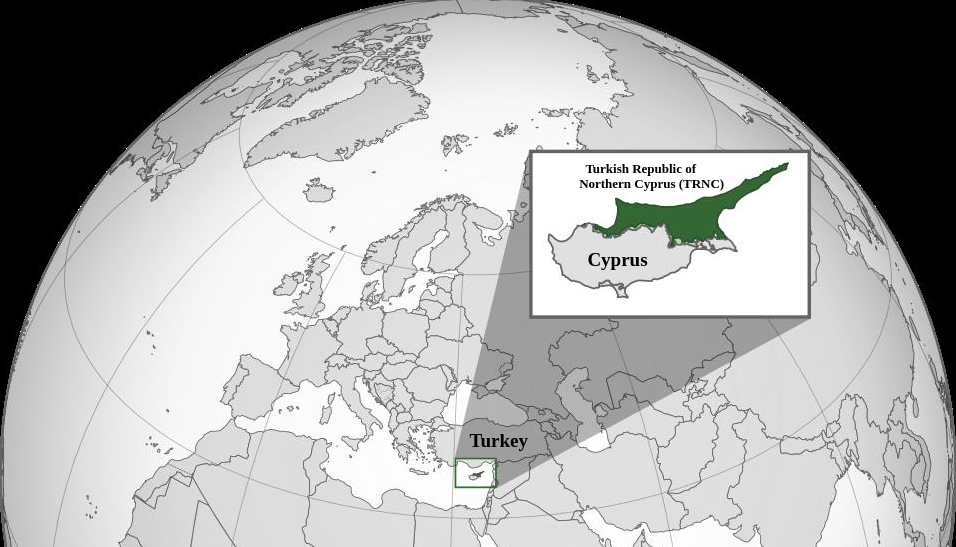
“Such a project violates the sovereign rights of Cyprus and aims to make the occupied territories more dependent on Türkiye and to make the partition of Cyprus permanent, contrary to the UN Security Council resolutions on the reunification of the island”, denounces MEP Yannis Maniatis (S&D), in a parliamentary question, in which he raises the possibility of “targeted sanctions on natural and legal persons involved in the planning and construction of this pipeline.”
The European Commission appears to be taking note and biding its time; at least, that is what emerges from the response provided by the High Representative for Foreign Affairs and Security Policy of the EU, Kaja Kallas, who, on the subject of sanctions, points out that the European Commission has no power of initiative: “It is
strictly the prerogative of the Council of the EU, through its Member States, to take, with
unanimity, decisions to adopt sanctions regimes.” In other words, the request must be addressed elsewhere.
authorities.”If Ankara decides to move ahead with the energy integration of Northern Cyprus, it means the EU has limited persuasive leverage. In the face of these developments, it is trying to understand how to respond, given that Turkey is a NATO partner and a key country in managing migration flows — and damaging relations with Ankara is not in the interest of the European Union or its member states.


![Da sinistra: il presidente del Consiglio europeo, Antonio Costa; il presidente dell'Ucraina, Volodymir Zelensky: la presidente della Commissione europea, Ursula von der Leyen [Bruxelles, 18 giugno 2024. Foto: European Council]](https://www.eunews.it/wp-content/uploads/2026/06/euco_ua260618-120x86.jpg)
![[foto: Saverio De Giglio/imagoeconomica]](https://www.eunews.it/wp-content/uploads/2026/10/cpt-120x86.png)