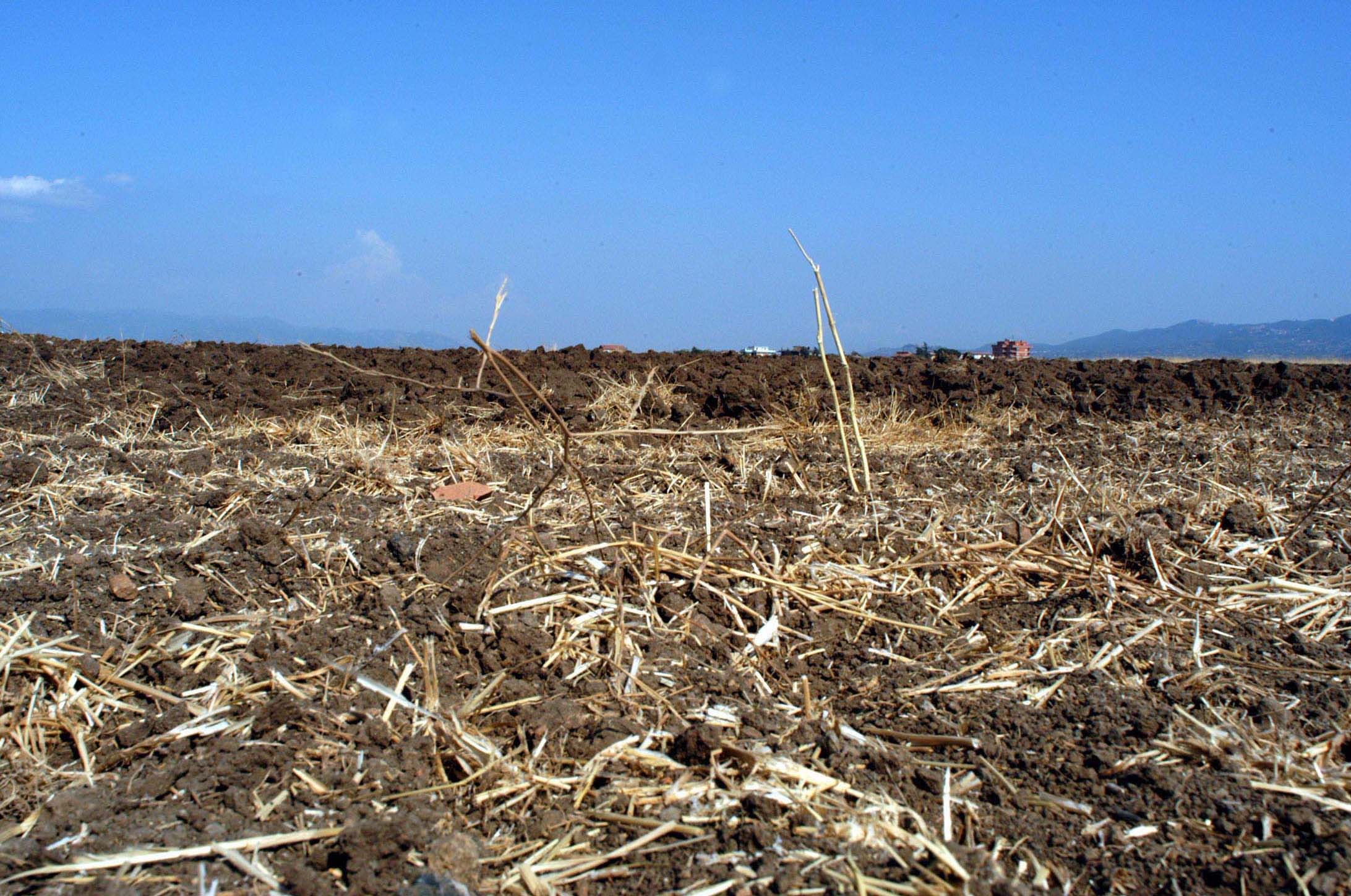
Brussels – Persistent heat and a lack of rain are putting pressure on summer crops and fodder stocks in various parts of Western and Central Europe, according to the latest MARS bulletin of the European Commission’s Joint Research Centre, according to which the greatest impacts are being felt in France, southern Germany, northern and central Italy, Austria, the Czech Republic, Slovakia, Hungary, and western Romania.
High temperatures and drought have reduced yield forecasts, particularly for maize in the Benelux countries, Slovenia, and Croatia. Meanwhile, forage availability is a cause for concern across large parts of Western and Central Europe, where heat and water shortages have reduced pastureland and biomass accumulation. Furthermore, in several regions, a shortage of irrigation water has exacerbated stress on crops.
The Commission highlights the role of the Common Agriculture Policy in “supporting agriculture that is more resilient to climate change” through investment in efficient irrigation, water-saving technologies, resilient infrastructure and improved water management, as well as the introduction of crops better suited to the new climatic conditions.
“This summer has been particularly difficult for farmers across the EU,” said the European Commissioner for Agriculture, Christophe Hansen. “Drought and extreme heat are putting crops, fodder, livestock, and farmers’ incomes under increasing pressure.” According to Hansen, these extreme events serve as a reminder of the need to “prepare for a future in which extreme weather becomes more frequent. We need to support farmers today while making European agriculture more resilient for tomorrow.”
English version by the Translation Service of Withub