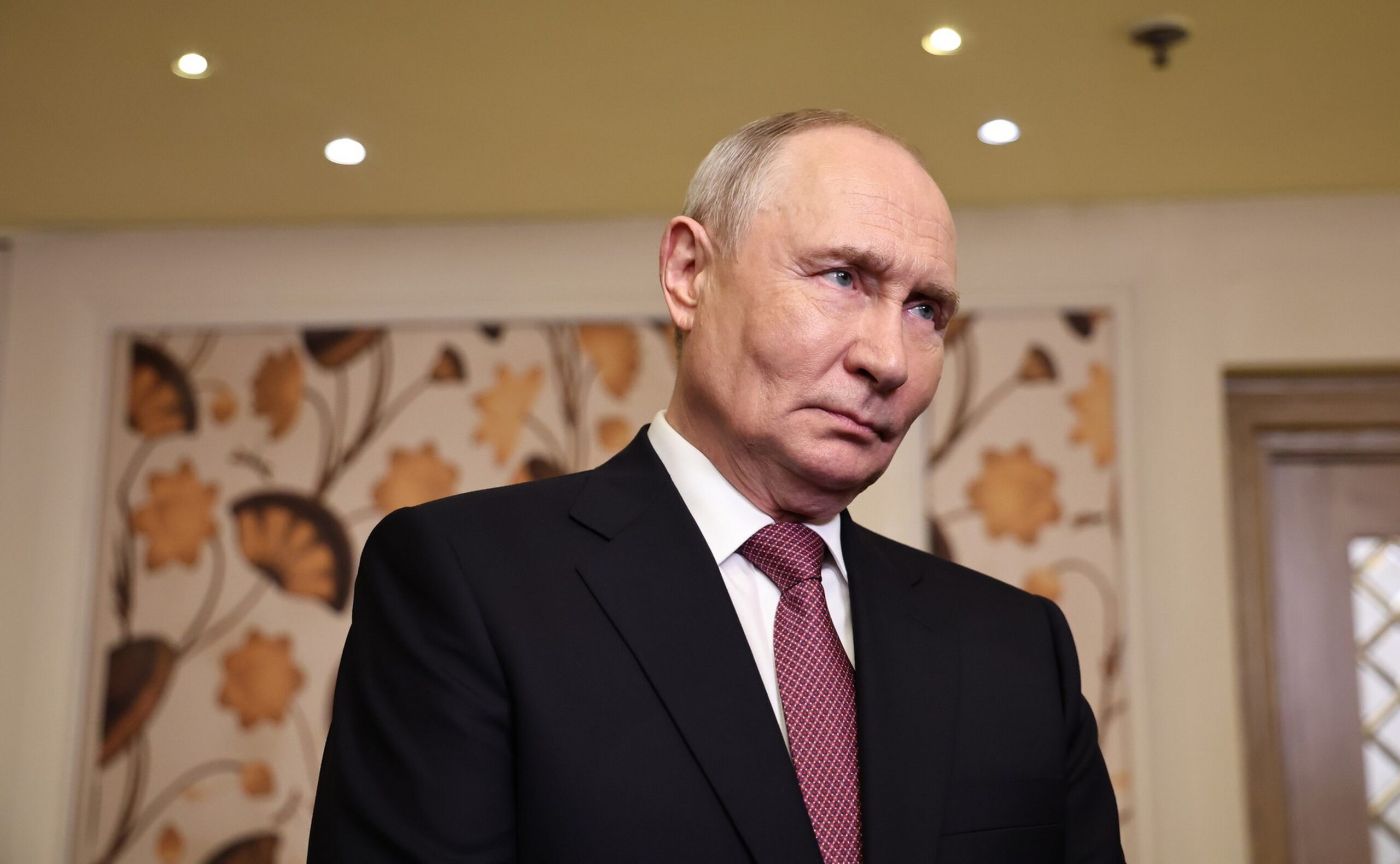
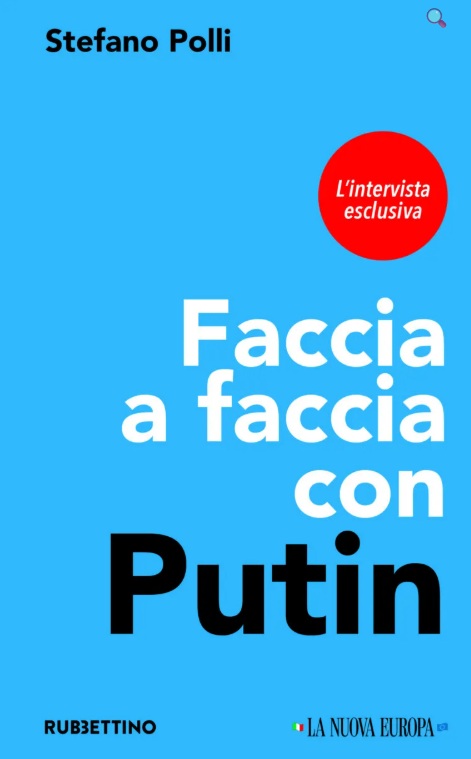
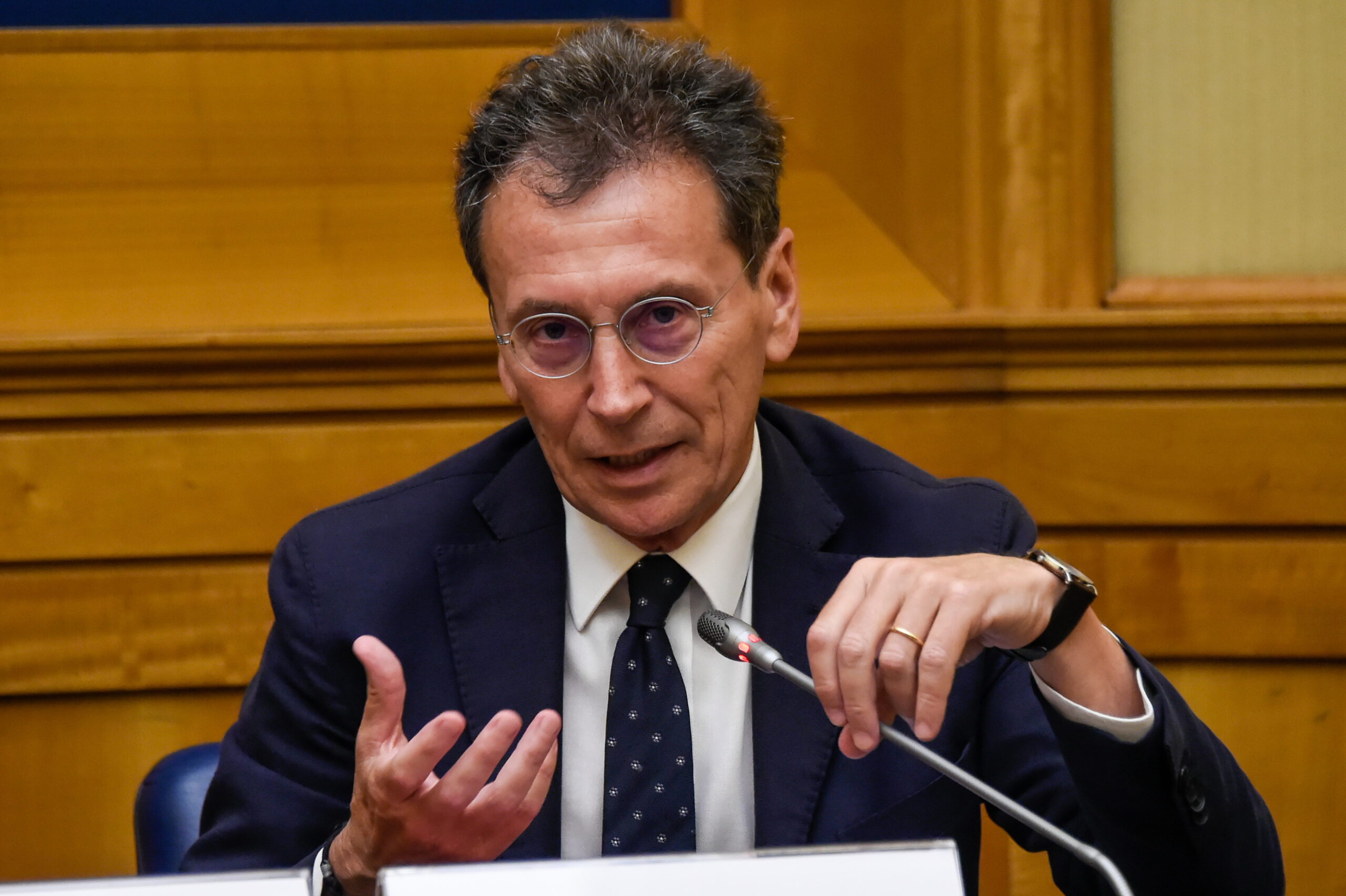
Brussels – Just one metre away from one of the most dangerous men on the planet. Stefano Polli was the last Italian journalist to meet Vladimir Putin since the start of the invasion of Ukraine, in a three-and-a-half-hour interview conducted with a very small group of European journalists in June 2024.
It is not so much the content of the interview that matters in this ‘Face to Face with Putin’ (Rubbettino/La Nuova Europa publishers, 130 pages, 15 euros) as much as the narrative – the context in which Polli, former deputy director of ANSA and long-time head of the foreign affairs desk, frames those three and a half hours. From the stroll through St Petersburg to describe a city that Putin has protected, as far as possible, from the horrors of war – which nevertheless also struck Russia – to what was happening in the rest of Europe in the years leading up to the invasion.
 Polli recounts the details of Putin’s manner, which he was able to observe partly because they were sitting there, directly across from each other at a table – not the enormous one where the Kremlin leader receives European heads of state, but a “normal” one at Gazprom’s headquarters, which kept them a metre and a half apart. Three and a half hours spent observing someone who comes across as very self-assured, always at ease – perhaps even a great actor. Putin employs all the techniques of power, such as keeping people waiting for ten hours, only to arrive looking fresh and rested in front of a handful of journalists who, from the account, appear rather tired but increasingly motivated.
The interview is intense: Polli and his colleagues are unsparing with Putin, who expresses his resentment towards the West, which “is at odds with history—a history that, in his view, is heading in the wrong direction, a history that has forgotten Russia and what Russia, in his view, represents and ought to represent,” as Polli writes with great conciseness and clarity.
In this account, Stefano Polli describes the context, the role of the United States and the – in many ways unexpected – role of
a Europe (meaning the European Union) that has stood up, this time, and said ‘no’ to the invader; which has stood shoulder to shoulder with Kyiv and enabled that country to avoid being crushed under the boots of an invader that is so much larger and (at least in theory) so much more powerful.
A book that is a story, that is an explanation, and that is also, perhaps, a sense of nostalgia for a Russia that no longer exists – and perhaps never did – but which we Westerners have loved: the Russia of the great writers, the Russia, as Polli concludes, of the “White Nights.”
English version by the Translation Service of Withub



![Il ministro dei Trasporti, Matteo Salvini [Bruxelles, 5 dicembre 2024. Foto: Emanuele Bonini per Eunews]](https://www.eunews.it/wp-content/uploads/2024/12/salvini241205-120x86.jpeg)