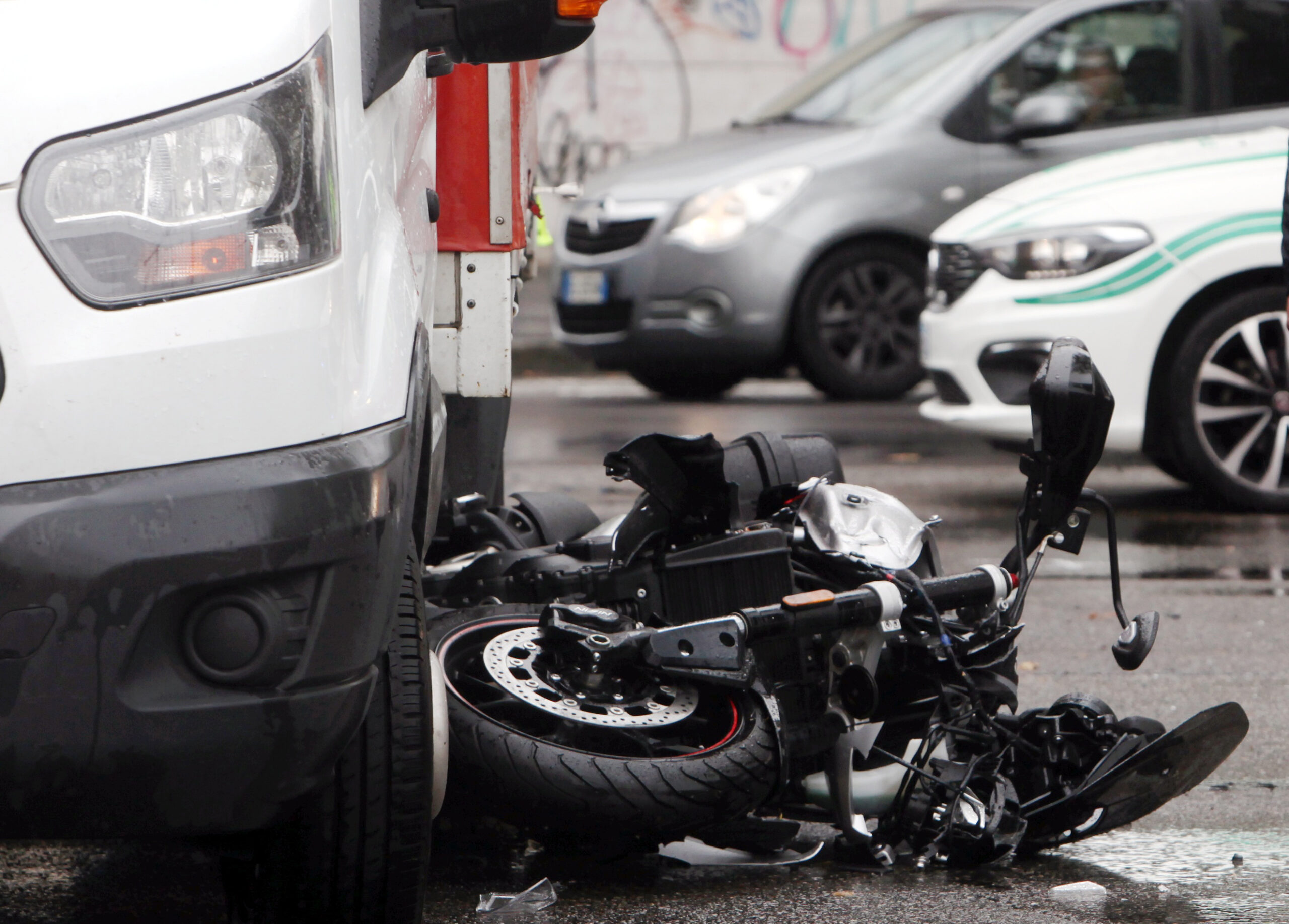
Brussels – In 2025, 19,350 people lost their lives on the roads of the European Union. This was announced by the European Commission, which has published the final figures on road accidents from last year, showing a 3 per cent decrease compared with 2024 (580 fewer deaths) and a 15 per cent decrease compared with 2019 (3,400 fewer). This result confirms that the EU is among the safest places in the world for road users, but it is not enough: most Member States are not yet on track to meet the target set in 2018, namely to halve the number of deaths and serious injuries by 2030.

Only five countries are on track to meet the target: Belgium, Bulgaria, Denmark, Poland, and Romania. Despite the progress made since 2019, Bulgaria and Romania remain, alongside Croatia, the countries with the highest mortality rates, with 71, 68 and 65 deaths per million inhabitants respectively. At the opposite end of the scale are Sweden (19) and Denmark (24). Italy is at 49, but down by 5 per cent. The EU average is 43.
According to the data, older people are the most frequent victims. Most fatal accidents occur on roads outside built-up areas. For every fatality, there are also an estimated five seriously injured people: around 100,000 people every year in the EU.
“Road safety goes beyond rules and regulations. It is about protecting lives and preventing tragedies that affect families and communities across Europe,” said the European Commissioner for Sustainable Transport and Tourism, Apostolos Tzitzikostas. “In the European Union, every life lost on our roads is one too many. Our aim is clear: to ensure that every citizen, wherever they travel and whatever mode of transport they use, can reach their destination. This means making our roads safer, strengthening prevention and ensuring that every journey ends safely,” he added in a statement.

Encouraging signs are emerging from the provisional estimates for the first half of 2026: there are more countries recording a fall in fatalities of more than 5 per cent compared with the same period in 2025 than there are where deaths are rising. However, the EU Commission urges caution, as in countries with low figures, annual fluctuations can be significant, and accidents follow a seasonal pattern, peaking in the summer. Preliminary figures for the whole of 2026 will be published in March 2027.
This topic will be the focus of the European Road Safety Conference, scheduled for 23 November in Brussels, at the Charlemagne building.
English version by the Translation Service of Withub