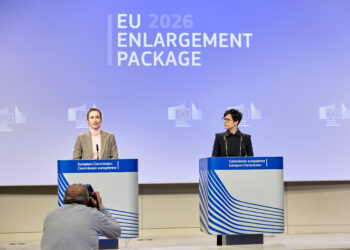
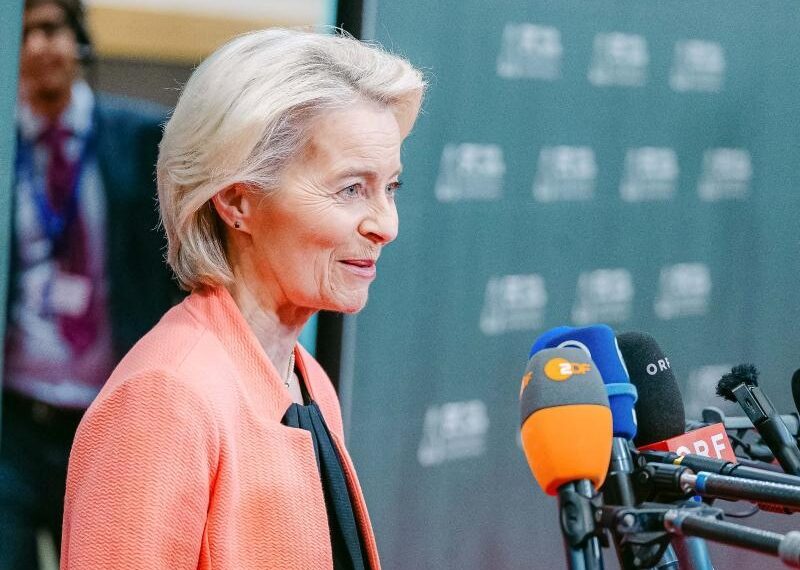
Brussels – EU enlargement is an opportunity and a source of benefits. At the same time, however, it risks producing counterproductive effects that must be guarded against, foremost among which is the stalling of the decision-making process. The President of the European Commission, Ursula von der Leyen, warns that, while candidate countries have so far been asked to carry out the reforms necessary to become EU Member States, the EU itself also has its own homework to do which has not yet been completed.
“We must prepare the Union for the accession” of the candidate countries, von der Leyen stressed while taking part in the EU Enlargement Forum. This involves “doing practical work” which, she insists, “starts with our decision-making process”. Because, von der Leyen continues, “a larger Union must remain a Union that can act.” With the arrival of new players, “we cannot afford to become slower. Not at a time when Europe needs to respond quickly to so many global challenges.” The reference is to decisions taken unanimously, and to moving beyond the very system that produces vetoes which hold the entire Union hostage to the whims of a single member. “Our Treaties already provide tools to make our decision-making more effective. We need to use them,” von der Leyen insists.
Von der Leyen does not go into detail. Still, the reference is to a greater use of the so-called ‘passerelle clauses’, which allow the Council’s decision-making rules to be amended, enabling a switch from unanimous voting to qualified majority voting, or from a special legislative procedure to the ordinary legislative procedure. Then there is enhanced cooperation, which allows a minimum of nine Member States to proceed independently on a specific issue, while leaving the others the option to join at any time.
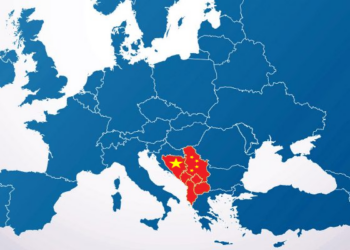
Governments are therefore urged to adopt a completely new approach to the future enlargement: Montenegro and Albania are drawing closer, and the process involving Ukraine and Moldova has also gathered pace. Four countries are set to join the twelve-star club, on which von der Leyen bases her narrative: “he countries preparing to join us have so much to contribute.” It is therefore the EU that needs them, and not necessarily the other way round.
“Ukrainian engineers are helping us to develop the defence technologies we need,” notes the President of the European Commission, referring to the drone industry. “Moldovans protecting their democracy against foreign interference have much to teach us about resilience,” she adds, referring to Russia’s hybrid threats. Furthermore, “the young, talented people of the Western Balkans will help power the future of our Single Market.” The EU stands to gain from enlargement, provided it is prepared and has an appropriate decision-making process. The work now lies with the capitals.
English version by the Translation Service of Withub