
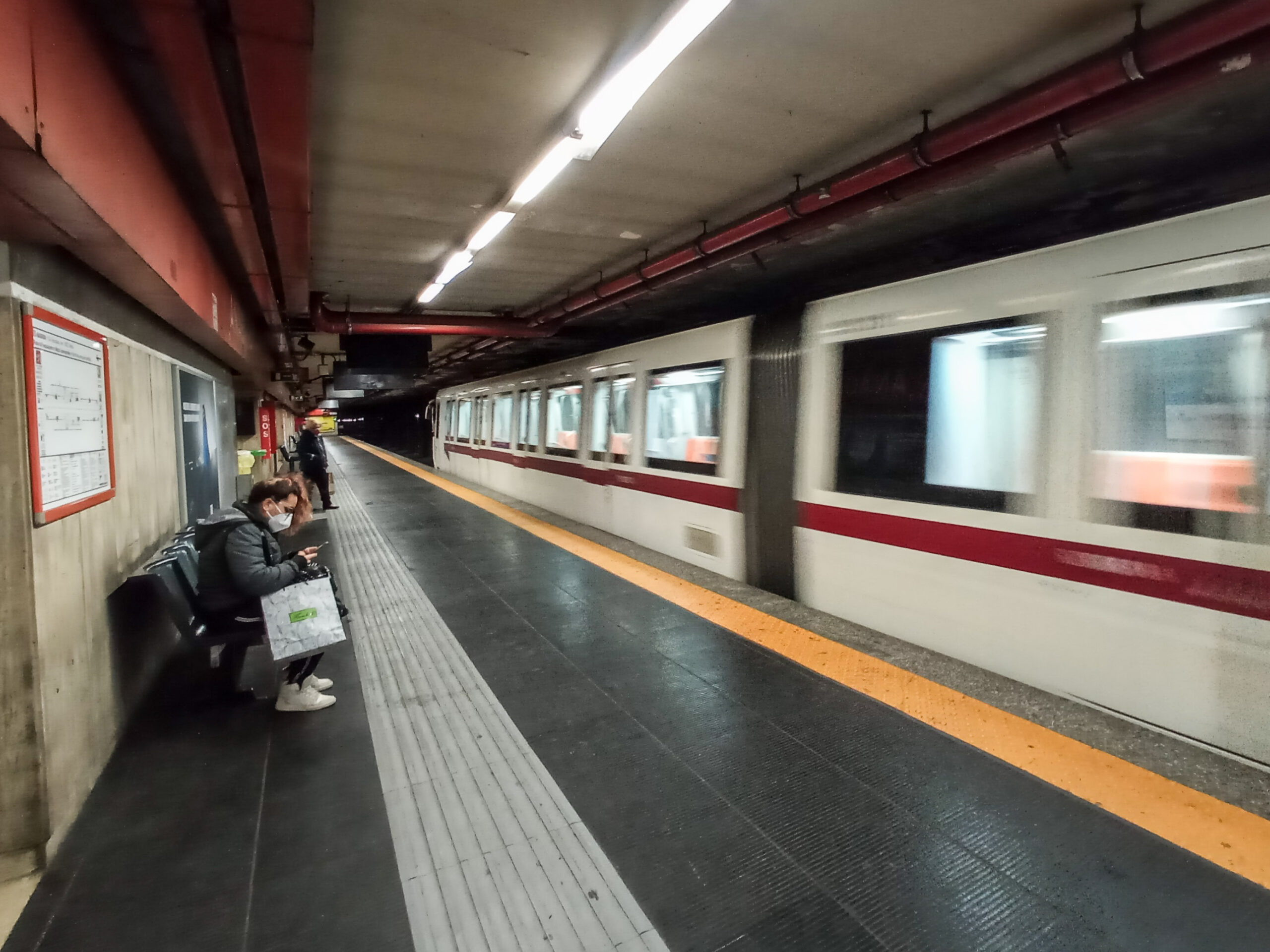
Brussels –Public transport: a stranger to many. Across the EU, people prefer to use private vehicles for travel both within and outside cities. Whether by car, moped, motorbike or even simply a scooter, more than six in ten European citizens (61.7 per cent) prefer to rely on their own means of transport, and as many as one in ten (11.4 per cent) travel on foot. The result: fewer than two in ten people (19.4 per cent) choose buses, trams, or the underground, according to Eurostat figures released today (23 November) for 2025.
The European Statistical Office highlights significant differences between countries. The ranking of countries where people travel mainly, or almost exclusively, by car or other private means includes Cyprus (89.4 per cent of all journeys made), Slovenia (76.1 per cent) and Ireland (70.6 per cent), followed by Portugal (69.4 per cent) and Italy (67.6 per cent).
Among private modes of transport, cycling is the main transport mode for 31.6 per cent of the population in the Netherlands, with significant proportions also in Denmark (18.5 per cent), Belgium (14 per cent) and Hungary (10.6 per cent).
The use of public transport as the main travel mode is particularly widespread in Romania (35.2 per cent), Hungary (31.5 per cent) and Luxembourg (30.4 per cent). Meanwhile, Bulgaria recorded the highest proportion of people who travel mainly on foot (27.7 per cent), followed by Romania (24.7 per cent) and Latvia (20.7 per cent).
Public transport is synonymous with poverty
Choosing between a car and a bus is not just a matter of culture, habits or national systems: Eurostat points out that, generally speaking, “people at risk of poverty or social exclusion relied on public transport as their main mode of transport more than those not at risk (27.0 per cent vs 17.4 per cent).”
In addition, according to the analysis, those at risk of poverty “were also more likely to walk (18.6% vs 9.5%”. In contrast, those not at risk of poverty or social exclusion used private motor vehicles more than those at risk (65.8 per cent vs 45.5 per cent).
In short, people in the EU who don’t travel by car do so because they can’t afford to. This indicator is yet another sign of rising poverty, alongside Eurostat’s repeated warnings over the growing number of people unable to keep their homes adequately warm.
English version by the Translation Service of Withub