
Brussels – Young Europeans believe in democracy and the idea of the European Union, but they are not satisfied with how these ideals are translated into practice. According to the results of a recent study, nearly four out of ten young Europeans do not consider the EU’s functioning to be democratic enough. At the same time, the percentage of those who would like to see more integration between Member States is slightly higher.
The ninth edition of the annual Young Europe study, conducted by the Tui Foundation, presents a nuanced picture of the opinions of 16–26-year-old Europeans, the youngest segment of the electorate who, in several cases, voted for the first time in the last European elections in June 2024. The sample of respondents counts 6,703 people in France, Germany, Greece, Italy, Poland, the United Kingdom, and Spain.
The absolute majority of the young people surveyed (57 per cent) prefer democracy to any other form of government. Still, more than a fifth of them (21 per cent) claim to be favourable to an authoritarian regime under certain circumstances, albeit unspecified. A figure that, for Italy, even rises to 24 per cent. For 48 per cent of Europeans, the national democratic system is ‘in danger’, while for only 6 per cent, their country’s democracy is functioning well and does not need improvement.

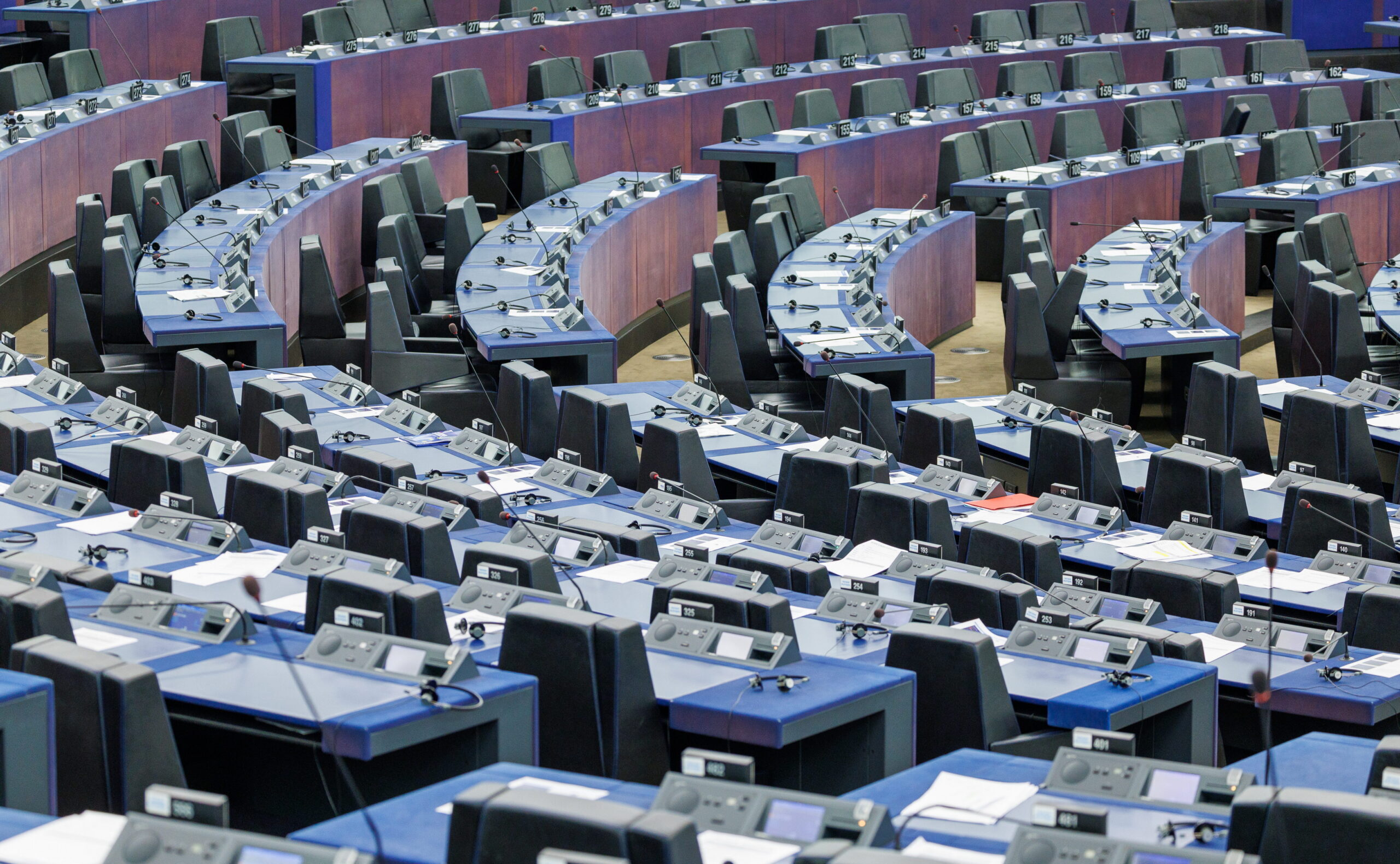
Regarding the EU, 51 per cent consider it to be “a good idea, but implemented very inadequately“, while 39 per cent believe that it does not work in a particularly democratic way. Speaking of European democracy, only 15 per cent of the sample considers themselves represented by the Strasbourg Chamber (a six percentage point drop compared to 2019, when the previous European elections were held).
For 53 per cent of the respondents, the Union focuses on futile or otherwise non-essential issues. The priorities on which Brussels’ action should focus, according to the sample surveyed (which, however, does not consider the decisive role of individual governments in shaping European policies), are the cost of living (36 per cent), defence against external threats (25 per cent), climate action and building better economic conditions (both 23 per cent). For Italians, the most pressing issues are economic and financial policies (32 per cent), climate and environmental protection (29 per cent), migration and foreign and defence policy (both 27 per cent).
Support for tighter immigration controls is rising sharply. Whereas the share of ‘hawks’ among young Europeans stood at 26 per cent in 2021, it has now risen to 38 per cent. In contrast, support for strong climate action, even at the expense of economic growth, has fallen sharply: 32 per cent of respondents now believe this, whereas four years ago 44 per cent did.
Moreover, only 42 per cent of young Europeans consider the EU to be a global geopolitical power, while 83 per cent see the United States, 75 per cent China, and 57 per cent Russia as the leading players. In order for the Twenty-Seven to play a more central role on the international chessboard, 35 per cent believe that economic growth should be incentivised, while 34 per cent believe that cohesion between Member States should be increased.

On average, 42 per cent would like to see more integration between the Member States and the devolution of larger portions of sovereignty from the chancelleries to the European Commission. In Italy, this figure rises to 53 per cent of the total, the highest value recorded by the survey, alongside Germany.
Finally, the polarisation of European societies, a phenomenon along strict gender lines, is also on the rise. At an aggregate level, 19 per cent of respondents declare themselves right-wing (+5 points compared to 2021), 33 per cent centre (-3 points), and 32 per cent left-wing (+2). In Italy, this is 18 per cent for the right (+2 points over 2021), 29 per cent for the centre (-1), and 34 per cent for the left (+9 points).
The young women who identify as progressive are growing in France, Germany, and Italy, while the young men who consider themselves conservative are increasing in Greece and Poland. In the Belpaese, there has been an increase from 29 to 42 per cent in four years among female left-wingers, while the increase in conservatism among men over the same period has stopped at +7 points, from 19 to 26 per cent.
English version by the Translation Service of Withub