Brussels – Diplomacy tries to get back on track. For the first time since the end of Israel’s blitz war against Iran (with the decisive support of the United States), the Islamic Republic’s leadership announced a fresh round of talks with its European counterparts next Friday to discuss its nuclear programme. As early as tomorrow, Tehran will host delegations from China and Russia to “coordinate” its position with allies.
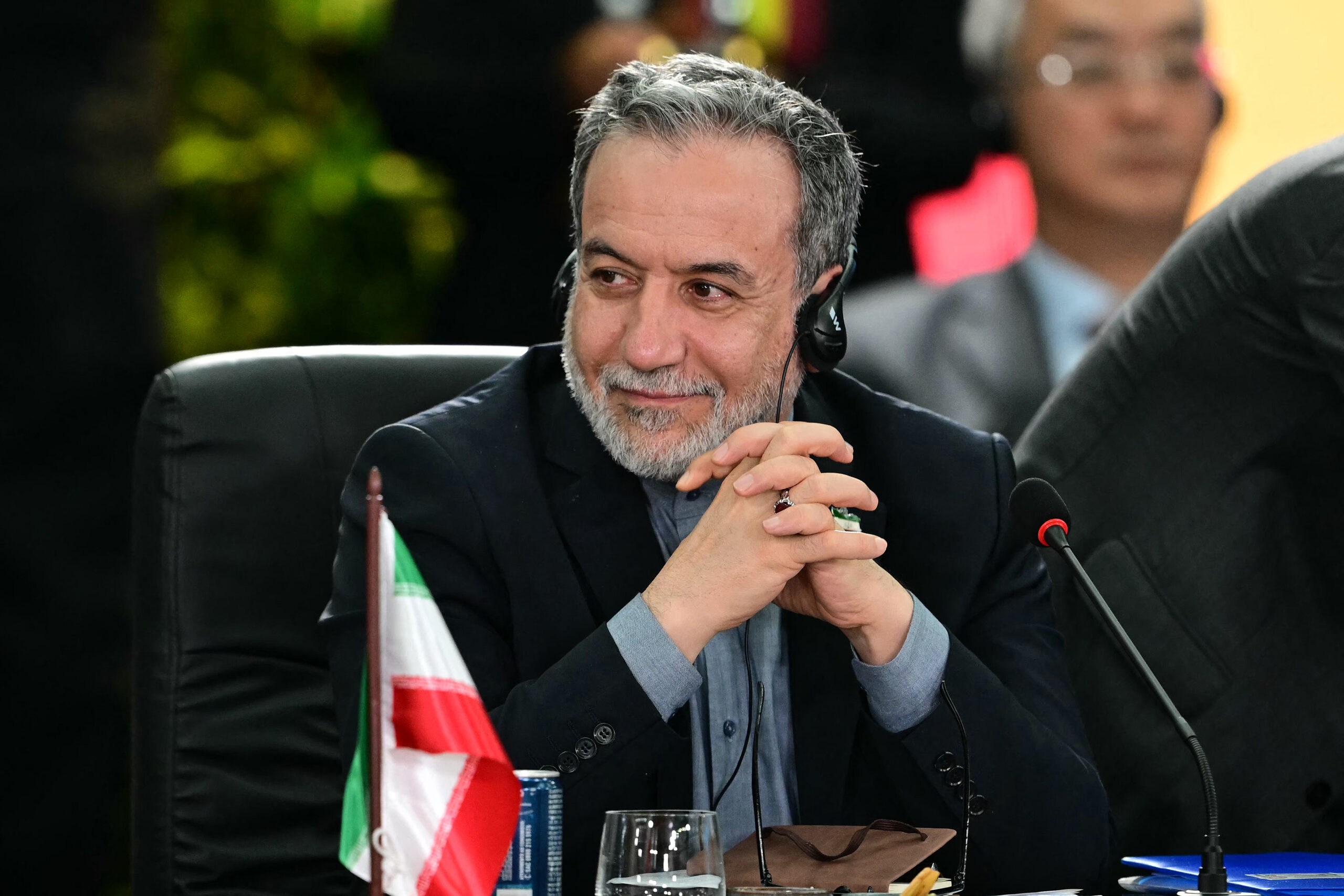
The official confirmation came today (21 July) from the Iranian Foreign Ministry, headed by Abbas Araghchi. Following last week’s contacts between Araghchi and his counterparts from France, Germany, and the United Kingdom, plus the EU High Representative Kaja Kallas, a meeting in Istanbul, Turkey, has been scheduled for next Friday (25 July) to jump-start negotiations on the country’s nuclear programme. According to Araghchi’s spokesman, Esmail Baghaei, the talks will take place at the level of deputy foreign ministers.

This is the first face-to-face meeting between the Iranian and European negotiating teams since last month, when ministers met in Geneva in an attempt at salvaging the diplomatic trail, while Israeli bombs had been dropping for a week on the Islamic Republic during the so-called 12-day war unleashed by Tel Aviv’s Prime Minister, Benjamin Netanyahu.
In the Helvetic capital, efforts had been made to keep alive the Joint Comprehensive Plan of Action (JCPOA), the 2015 deal on Tehran’s nuclear programme to which France, Germany and the UK are a party (the E3 format) plus EU, China, and Russia. But only a couple of days later, the US led a massive bombing operation on Iranian atomic sites, upending negotiations.
The US, which had participated in the historic agreement under Barack Obama‘s second term, withdrew during Donald Trump‘s first term in office in 2018, reintroducing some of the sanctions that had been suspended as a result of the deal. Since then, the Islamic Republic has resumed uranium enrichment, reaching—at least according to Tel Aviv and Washington’s allegations—the critical level of 60 per cent, from which it could have rapidly approached the 90 per cent threshold, i.e. the one needed to manufacture atomic devices.

Following the conclusion of hostilities, mediated mediated by the tycoon himself, Iran has ousted from its territory inspectors from the International Atomic Energy Agency (IAEA), the UN body tasked with monitoring nuclear activities. The EU, as well as the entire Western camp, continues to reiterate the stance that Iran must not possess atomic weapons.
Now, the Istanbul talks appear to open up a fresh, if tentative glimmer of hope for the resumption of a stalled diplomatic initiative. For the time being, however, no one seems to expect any decisive breakthroughs. The meeting is expected to serve as a means for Tehran to avert the activation of the snapback mechanism, through which the E3 have threatened to revive the pre-2015 sanctions against the Islamic Republic if substantial progress in negotiations is not made by the end of August.
In the meantime, delegations from Beijing and Moscow, the ayatollahs’ closest allies, will arrive in the Iranian capital tomorrow. “We are coordinating constantly with these countries on how to prevent the snapback or how to mitigate its consequences,” Baghaei said.
In a letter addressed to UNSG @Antonioguterres, the President of the Security Council, EU High Rep Kaja and members of the UN Security Council, I have outlined why the E3 lacks any legal, political, and moral standing to invoke the mechanisms of the JCPOA and UN Resolution 2231…
— Seyed Abbas Araghchi (@araghchi) July 20, 2025
In a letter to the UN Secretary General, António Guterres, Araghchi stated that the E3 countries “have no legal, political, or moral legitimacy to invoke” new restrictive measures because, he explained, they have “reneged on their commitments” under the JCPOA, while also providing “political and material support to the recent unprovoked and illegal military aggression of the Israeli regime and the United States.”
In recent weeks, the Iranian foreign minister has nevertheless said he is open to start new talks with the US, provided that Tehran is given “guarantees” that a new war will not erupt once negotiations are resumed. However, he also stressed that, for now, there are no plans for diplomatic contacts between the respective parties. Before the start of the Israeli aggression, Tehran and Washington had held five rounds of talks, which Trump deemed fruitless.
English version by the Translation Service of Withub