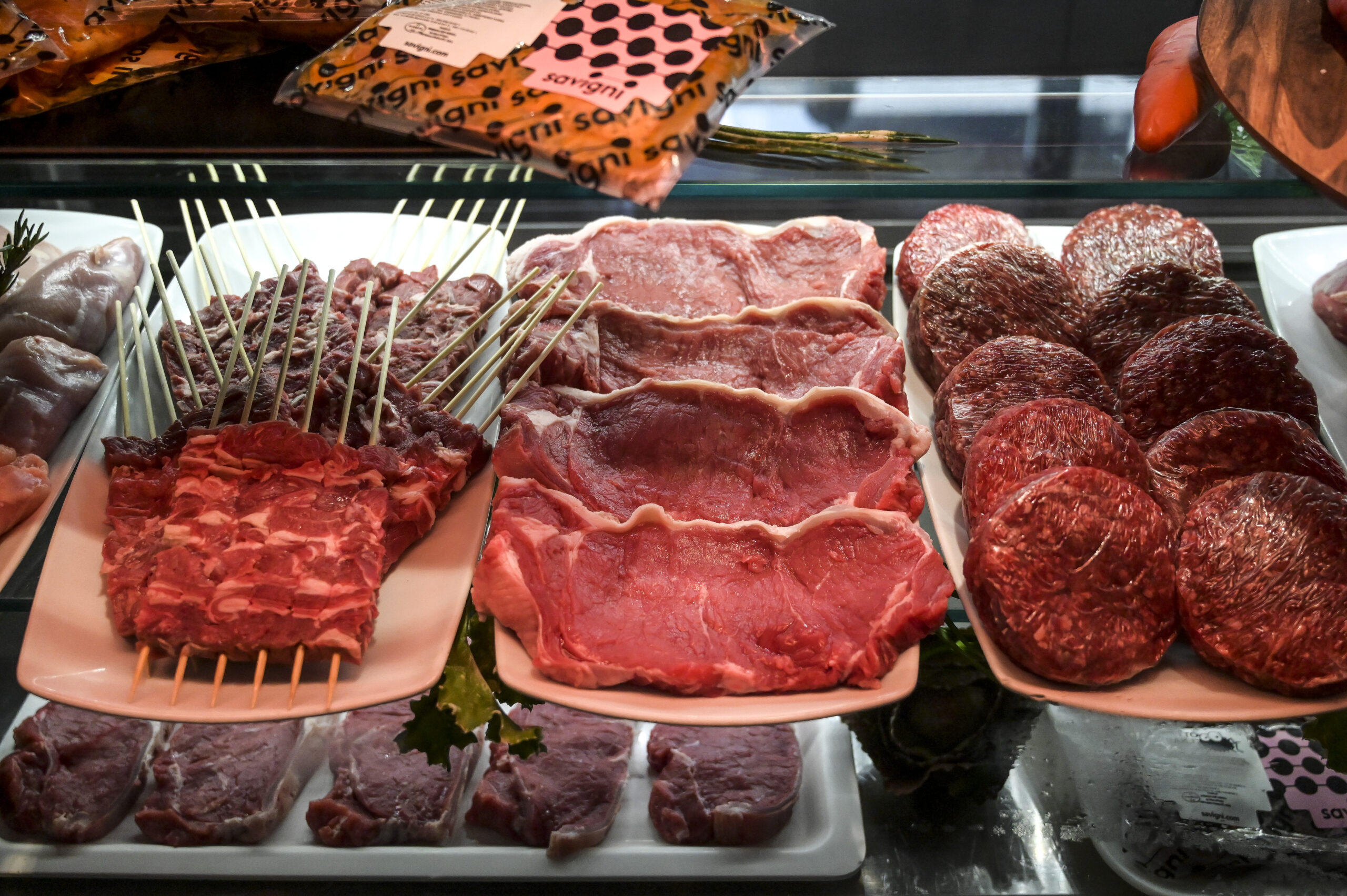
Brussels – Animal proteins have played, and continue to play, a crucial role in the evolution of the human species. This was the starting point for the meeting held today (8 April) at the European Parliament, organised by the think tank Competere in collaboration with the association Carni Sostenibili. The event provided an opportunity to present the book “In Lucy’s Footsteps: How Food Made Us Human. The Virtues and Values of Animal Proteins”, written by Pietro Paganini, a socio-economic and geopolitical analyst and communicator, and Carola Macagno, project manager at Competere. The book analyses the evolutionary journey of humankind, seeking to demonstrate how meat consumption has been a fundamental pillar in achieving our current biological and social milestones.
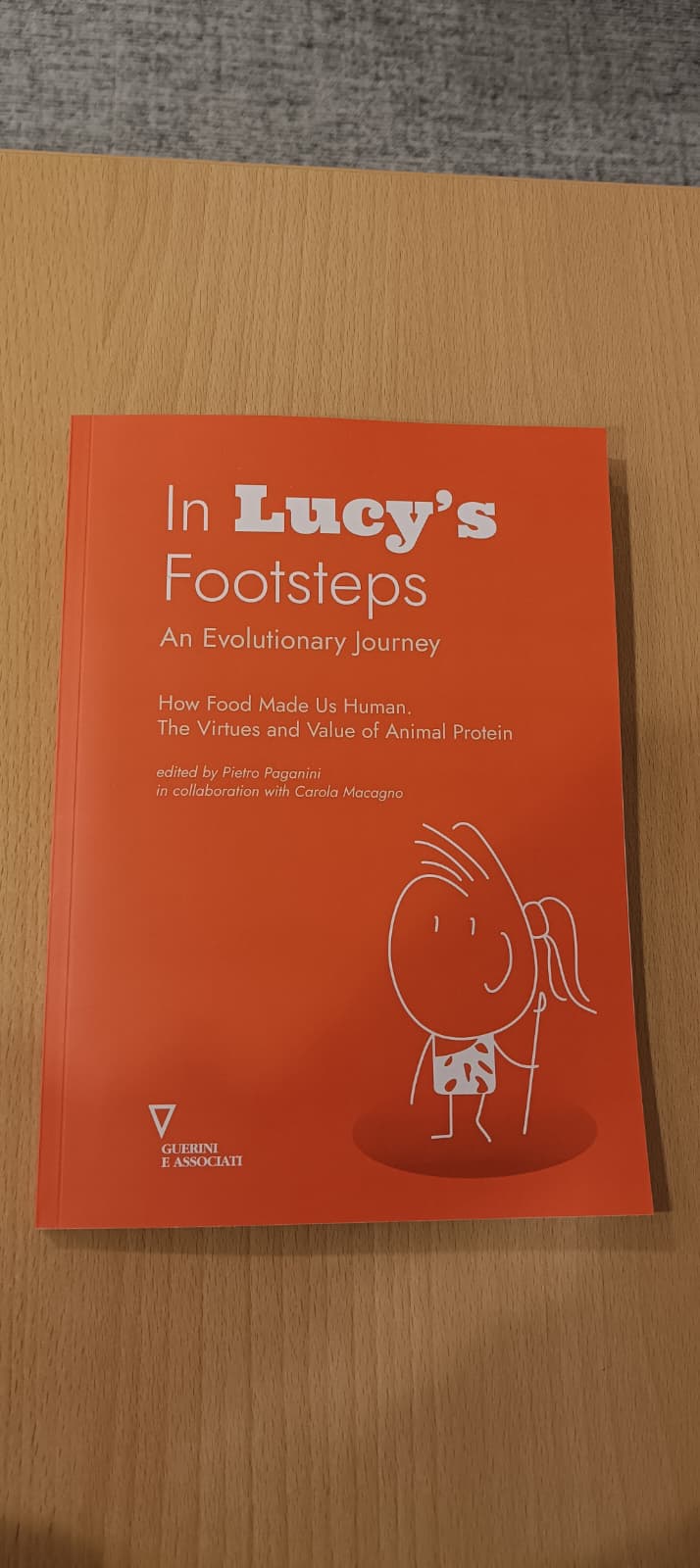
The ideal guide for this journey through history is Lucy, the famous palaeo-ancestor who lived over 3 million years ago. “Lucy, our best-known ancestor, takes us on a journey to the origins of human nutrition, reminding us of the crucial role of animal protein in the development of the brain and our species,” said the author Pietro Paganini. He emphasised the need to bring science back to the centre of the debate, as, over the centuries, an omnivorous diet has fostered an increase in brain mass, the development of an upright posture and the emergence of language: all elements that subsequently led to the birth of the first organised communities. Paganini also warned against ideological views of food: “Reducing food to ‘good’ or ‘bad’ is not science, it is simplification. With ‘Lucy’, we are bringing the debate back to evidence, evolution, and freedom of choice.” The importance of meat in the diet was explored in depth by Dr Elisabetta Bernardi, a nutritionist and biologist, who argued that the introduction of animal proteins drastically increased the nutritional density of the diet, providing essential amino acids, haem iron, zinc and vitamin B12 in a highly bioavailable form. In this context, Bernardi expressed reservations about the so-called “protein transition”, explaining that humans have evolved by integrating foods rather than excluding them: “Dietary flexibility is a biological strength, not a limitation,” stated the nutritionist, noting how the Mediterranean diet represents a perfect balance between a plant-based diet and a moderate yet strategic inclusion of animal foods.
The relationship between food production and environmental impact has been addressed by Giuseppe Pulina, full professor of ethics and sustainability in livestock farming at the Department of Agriculture at the University of Sassari, who states that “the agri-food production chains in Europe have reduced their greenhouse gas emissions by over 18 per cent between 1990 and 2021, and this has been made possible by technological improvements that have ensured greater efficiency in primary production systems and lower resource consumption both per unit of output and overall.” This has resulted in “a parallel reduction in environmental burdens.”
MEPs
Several MEPs took part in the roundtable discussion, addressing the sector’s challenges. Stefano Cavedagna, an MEP for Fratelli d’Italia (European Conservatives and Reformists Group, ECR), condemned the “culture of suspicion” surrounding meat. “Today more than ever, we are witnessing a culture of suspicion towards meat and established food traditions, promoted by ultra-environmentalist ideologies that overlook the balance between science, health, and respect for the environment,” he stated, pointing out that the Mediterranean diet, recognised as a UNESCO Intangible Cultural Heritage, includes meat as a fundamental component. The call for a pragmatic approach came from Dario Nardella, MEP for the Democratic Party (Group of Socialists and Democrats, S&D), who explained that “food cannot become a battleground for ideology” and that “the book “In Lucy’s Footsteps” puts science back at the centre,” noting that “animal proteins are part of humanity’s evolutionary history and today continue to play an essential role in a balanced and healthy diet.”
On the economic and strategic front, the Spanish MEP from the People’s Party (EPP), Carmen Crespo Díaz, described livestock farming as a vital sector for European competitiveness. “We must promote it without hesitation” and “this publication comes at a crucial moment, when we need to dispel prejudices and recognise the essential role of meat and animal proteins in our diet, our economy, and our production model,” she emphasised. Finally, Benoît Cassart, a Belgian MEP from the liberal Renew Europe group, emphasised the need to reconnect with the natural origins of food amid the rise of ultra-processed foods. Since “cooking ingredients sourced from nature is one of humanity’s earliest activities, it is essential to re-establish a connection with the origins of our food and to promote a simpler, more mindful approach to cooking.”
English version by the Translation Service of Withub


![Da sinistra: il presidente del Consiglio europeo, Antonio Costa; il presidente dell'Ucraina, Volodymir Zelensky: la presidente della Commissione europea, Ursula von der Leyen [Bruxelles, 18 giugno 2024. Foto: European Council]](https://www.eunews.it/wp-content/uploads/2026/06/euco_ua260618-120x86.jpg)
![[foto: Saverio De Giglio/imagoeconomica]](https://www.eunews.it/wp-content/uploads/2026/10/cpt-120x86.png)