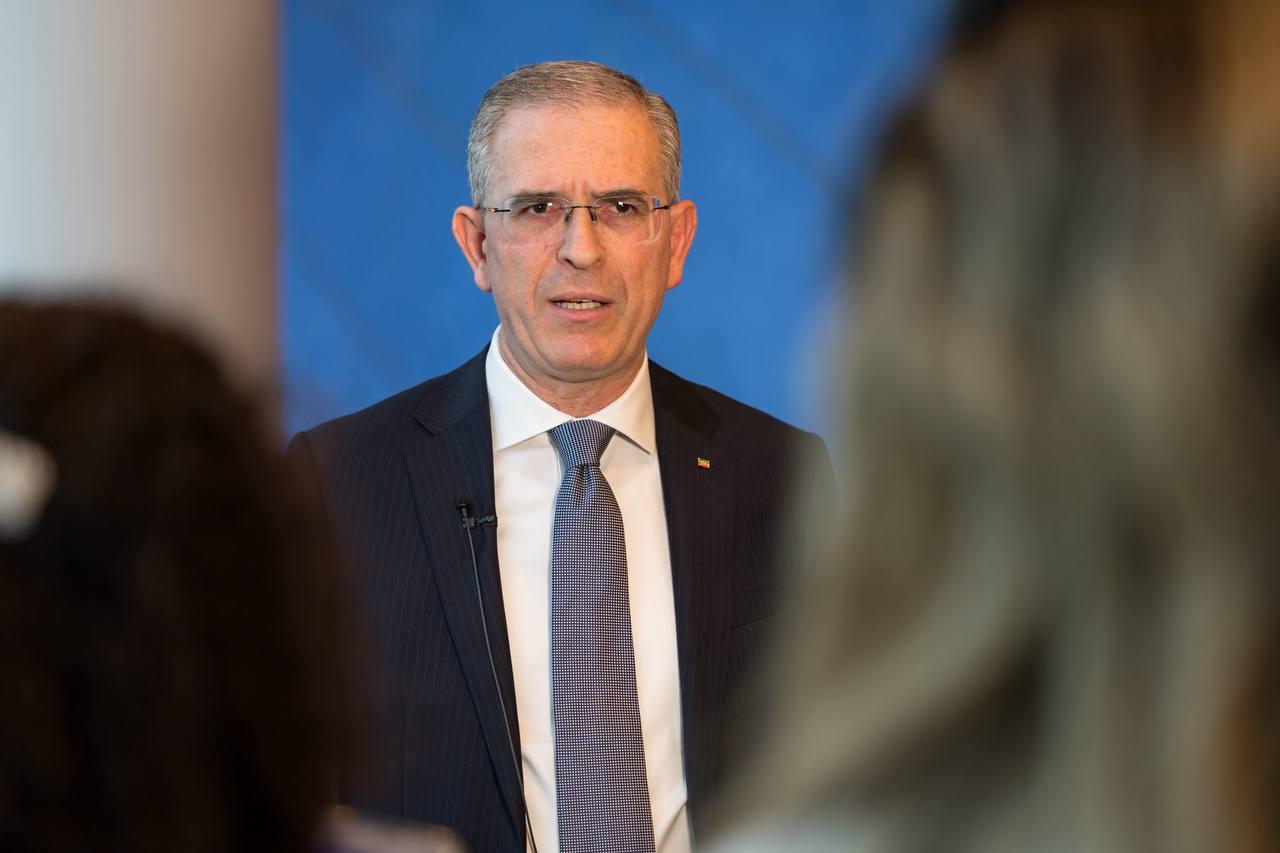
Brussels – The tobacco sector in Italy is not merely a matter of tax revenue, but an industrial pillar in which Italy plays a central role at both European and global levels, particularly in the field of innovation. In an interview with Eunews, Marco Falcone, MEP for Forza Italia and EPP rapporteur for the dossier on the proposed revision of tobacco taxation in the Committee on Economic and Monetary Affairs (ECON), explains his group’s position regarding the upcoming revisions to the European directives on taxation (TED) and tobacco products (TPD).
The MP starts from the Italian example, in which a traditional sector has been successfully transformed into a centre of technological excellence. “We are now a global benchmark for innovative products,” Falcone begins. The figures speak for themselves: a widespread supply chain employing around 44,000 people across agriculture, manufacturing, and services. According to the MEP, the strength of the Italian model lies precisely in its ability to manage the transition. “Excessive imbalances in taxation at this stage could weaken the shift towards new products,” he warns, emphasising that the protection of health must go hand in hand with safeguarding an agricultural and industrial sector of excellence.
The debate in Brussels on the revision of the tax directive is heated. Whilst there is consensus on adjusting minimum excise duties for public health purposes, Falcone warns against excessive bureaucratic zeal. “Disproportionate measures would ultimately do a favour to the black market. EU legislation must recognise the differences between traditional combustible products and innovative products.” The aim is to achieve a tax framework that respects the principle of proportionality, preventing an unsustainable tax burden from driving consumers towards unregulated channels, thereby undermining public health efforts and harming the treasury.
Pending the European Commission’s impact assessment on the Tobacco Products Directive (TPD), the EPP delegation is preparing to fight on pragmatic grounds. Falcone calls for “common sense” to guide future decisions: the protection of minors and public health, certainly, but without sacrificing the competitiveness of European businesses.
“We must take proportionate and effective decisions,” explains Falcone. The concern is that an overly restrictive approach could stifle investment in research, leaving the field open to products and capital from non-EU countries, which are less regulated and less attentive to European quality standards. Tackling nicotine dependence is a priority, but for Falcone, the solution cannot be solely fiscal. The strategy must be multi-dimensional: “Strict measures to prevent young people from taking up smoking and, in parallel, support for scientific research.”
“It would not be beneficial to stifle investment in the sector, particularly in the manufacture of innovative products,” concludes the MEP. The aim is for the European Union to remain the driving force behind technological change, leading the way in risk reduction rather than being at the mercy of third-party markets.
Last week (2 April), the European Commission published an evaluation to assess the effectiveness of the directives currently in force on tobacco regulation. These are the Tobacco Products Directive (TPD) and the tobacco advertising bans and health warnings. Based on this evaluation, the EU Commission will now carry out an impact assessment and continue the consultation process.
English version by the Translation Service of Withub



![[Copyright: European Union]](https://www.eunews.it/wp-content/uploads/2026/10/euco-261015-120x86.png)