
Brussels – The use, with due caution, of digestate, a substance that can pollute aquifers or cause soil salinisation. And then the use of organic products, alongside targeted compensation measures. Faced with rising fertiliser prices, caused by Donald Trump and Benjamin Netanyahu’s war on Iran, which led to the closure of the Strait of Hormuz, the European Commission unveils its action plan, a set of measures still in the making, which are announced but postponed until a later date for further details. A list of announcements that “the Commission will present,” as the accompanying documents state, in an attempt to provide answers to a sector on a war footing and already turning a sour face. So much so that the national president of the CIA, the Italian Farmers’ Confederation, Cristiano Fini, sends the proposal back to the sender: “The plan proposed by Brussels is not enough. Farmers need immediate answers, not future promises.”
The action plan: targeted support and digestate
A number of measures are under consideration; these have been announced, but the details are yet to be finalised. First and foremost, the European Commission intends to provide “exceptional and targeted support” to European farmers facing high fertiliser costs, through “existing instruments under EU agricultural policy,” stated the Commissioner for Agriculture, Christophe Hansen, during his presentation to the European Parliament. Furthermore, the EU executive will propose mobilising the EU budget to substantially strengthen the agricultural reserve and, as a further short-term support measure, the presentation in the coming weeks of “a targeted legislative package that will allow Member States to make full use of the support available under their respective strategic plans of the Common Agricultural Policy (CAP)” has been announced. Furthermore, “farmers will be able to use measures to counter the impacts of the war in Iran,” Hansen explains, referring to the relaxation of recently introduced rules on state aid.
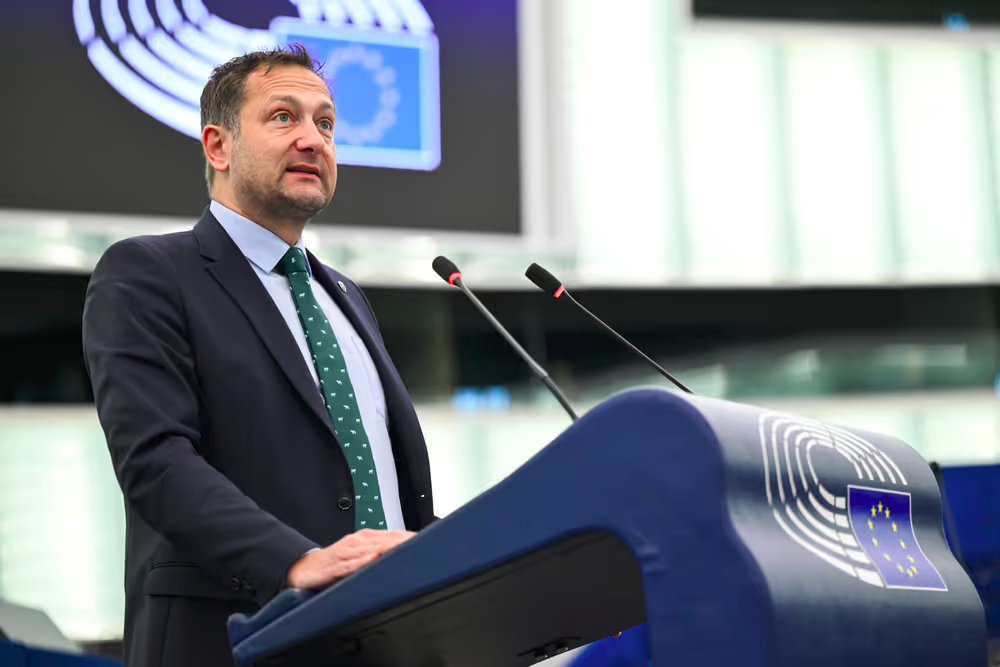
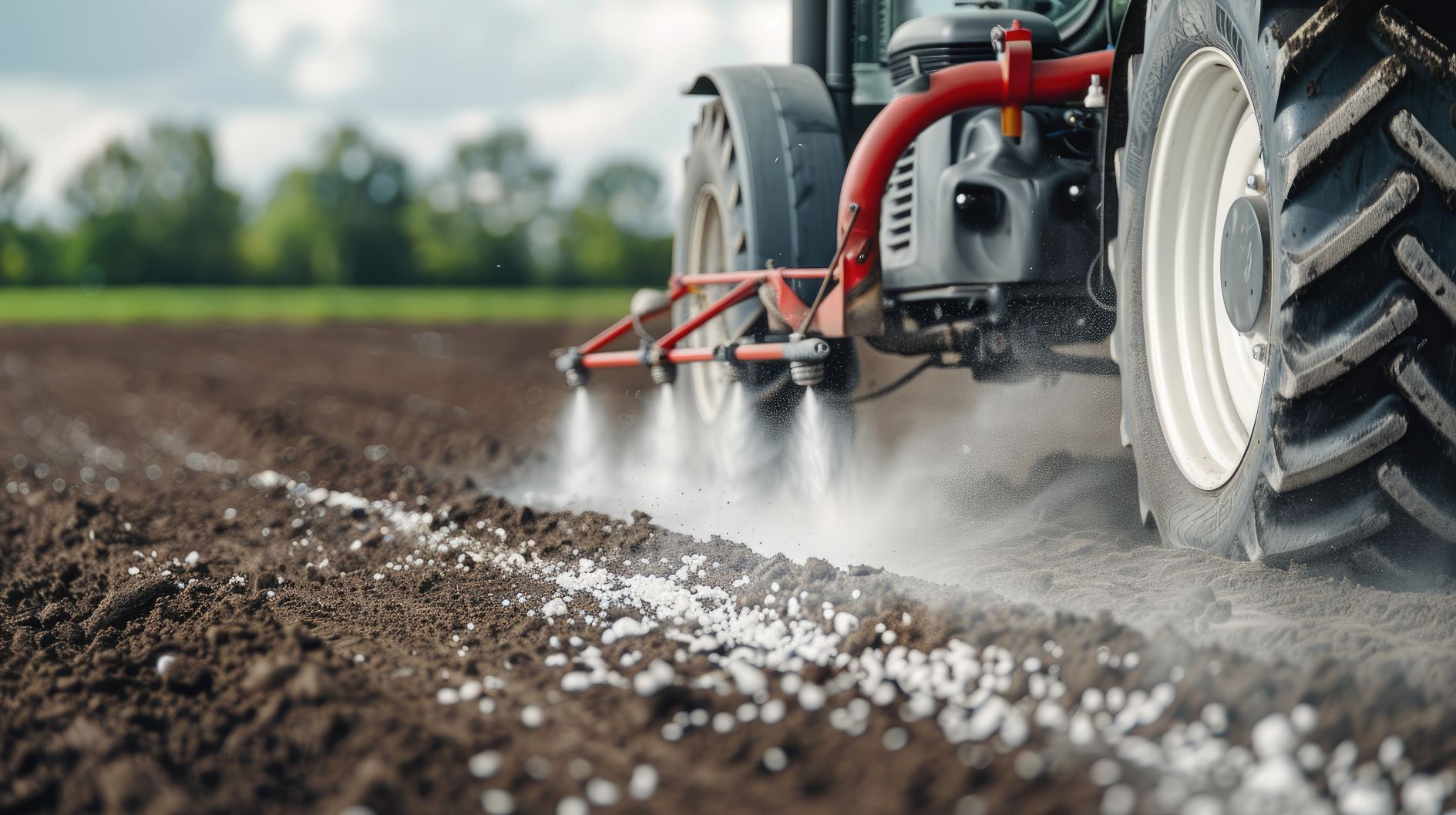
When it comes to agricultural production, then, “we should not rely solely on chemical fertilisers; we should also rely on digestate, taking all necessary precautions.” The Commissioner for Agriculture is open to the possibility of using compost-like residual material, which can be a valuable fertiliser but may have significant environmental impacts. The proposal has the support of MEPs Carlo Fidanza (FdI/ECR) and Dario Nardella (PD/S&D), marking an otherwise unexpected convergence. The Commission, Hansen announces, “will present measures aimed at facilitating the use of digestate,” and alongside this, he anticipates that the College, “following the upcoming review of the Nitrates Directive, will clarify certain implementing rules to better align them with the reality of seasonal farming practices in the field.”
European production: measures on the way
Currently, around 30 per cent of the EU’s demand for nitrogen fertilisers is met by imports, with some products accounting for a larger share than others. At the same time, the EU’s ammonia production capacity has fallen by almost 10 per cent in recent years. Furthermore, 70 per cent of the EU’s demand for phosphate fertilisers is met by imports of phosphate rock. Figures that highlight the EU’s dependencies. This is why “the plan emphasises domestic production and affordable prices,” stresses Hansen, who, however, merely states that the Commission “will adopt measures to support its domestic fertiliser industry, to prevent deindustrialisation, ensure stable supplies and reduce dependence on imports.”
This announcement contains a brief preview: the Commission, in promoting European alternatives, will place emphasis on the greater use of organic and bio-based fertilisers, as well as on alternatives to traditional mineral products. Among the options being considered for “made in the EU” are algal biomass, microbial solutions, biostimulants, and the recovery of nitrogen and phosphorus from sewage sludge.
Keyword: sustainability
The EU’s Fertiliser Action Plan also aims to advance the Green Deal and sustainability. On the one hand, the Commission has announced that, in the context of the upcoming review of the Emissions Trading System (ETS), options will be examined to ensure that any increased flexibility for the fertiliser industry is accompanied by a responsibility to decarbonise production, and on the other hand, the Commission will assess how to provide “the right incentives for low-impact agriculture and for carbon removal,” combining public and private resources, namely Member States, the Common Agricultural Policy, the European Competitiveness Fund and revenue from the ETS.
According to the European Commission, all these measures will help reduce dependence and bring down prices, which, as Hansen points out and as Eurostat also confirms in the figures released today (19 May), have “never returned to pre-COVID levels” for fertilisers. In the final quarter of 2025, the average cost of fertilisers rose by 8 per cent compared with the same period in 2024, with increases recorded in 24 out of 27 EU Member States, including Italy (+5.79 per cent).
Reviews
“With this action plan, we are proposing immediate measures to support farmers, including through the mobilisation of available cohesion policy resources,” emphasises the Vice-President for Cohesion and Reforms, Raffaele Fitto, who states that with the action plan “we are simultaneously defining medium- and long-term actions to strengthen the sector’s resilience, reduce dependence on foreign imports, and make European agriculture more robust and competitive.”
But some in the chamber see things differently. In particular, it is the conservatives (ECR) who are criticising the speech for its many slogans and lack of detail. “Mr Hansen, come and present us with concrete proposals,” criticises Bert-Jan Ruissen, echoed by his colleague Anna Zalewska: “To be honest, I haven’t heard anything concrete.” The patriotic far right is also critical: “Fine words but little action,” comments Barbara Bonte (PfE), while her group colleague Mireia Borras Pabon expresses doubts over “unguaranteed funds”.
Less critical, though still not exactly enthusiastic, is the PD representative, Stefano Bonaccini (S&D): “It’s a first step, but it’s not enough. We need real resources, and we need concrete measures as soon as possible.” Even from within the EPP ranks, calls are being made for greater boldness: “This plan is insufficient,” states Salvatore De Meo, who argues that “immediate responses” are needed. MEP Clausen of The Left first criticises the lack of supporting documents and the failure to share them with the House, then dismisses the presentation: “This is like trying to cure an alcoholic by giving them cheap alcohol.”
English version by the Translation Service of Withub![Fertilizzanti [foto: imagoeconomica, via Fomet spa]](https://www.eunews.it/wp-content/uploads/2026/05/Imagoeconomica_2404695-350x250.jpg)