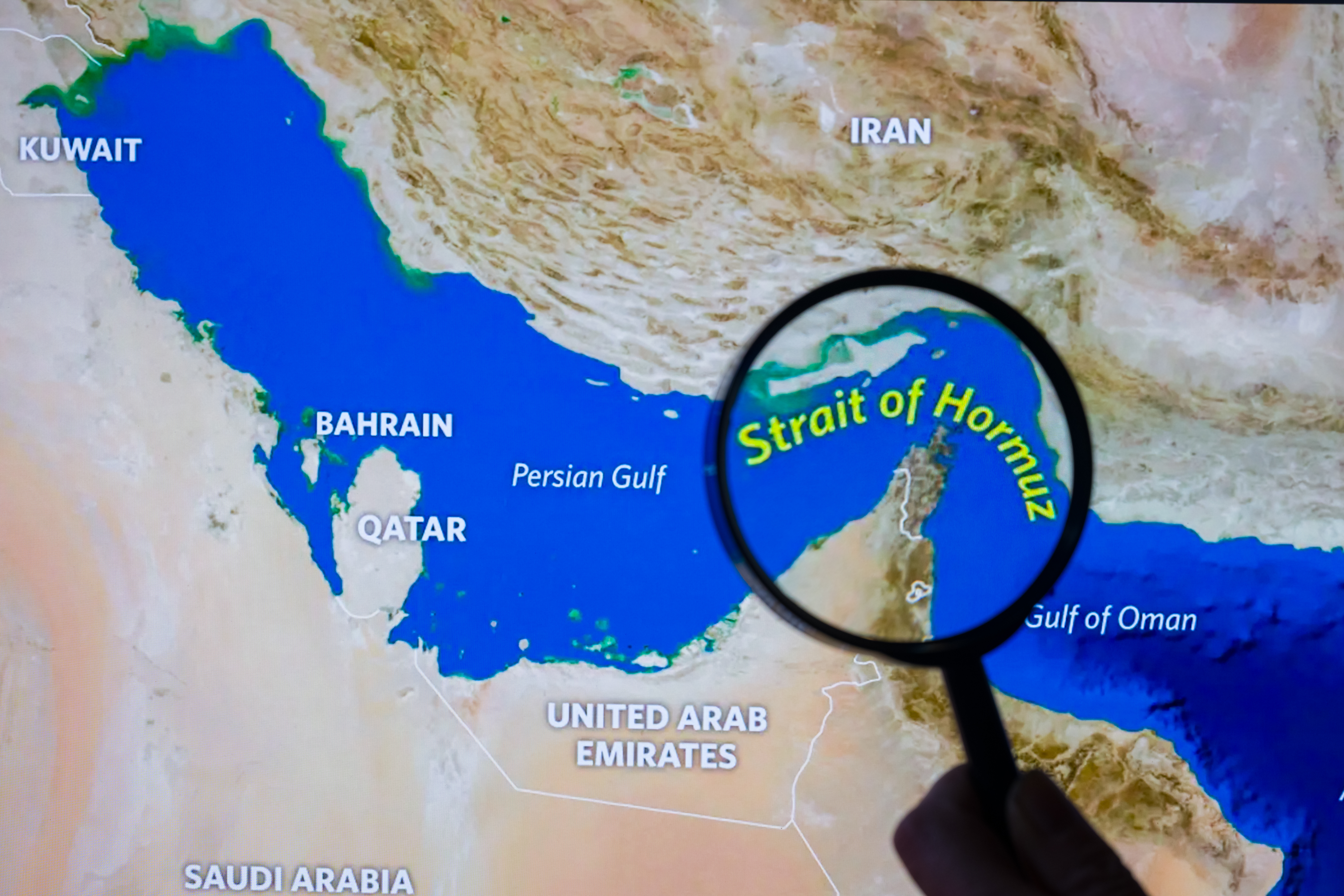
Brussels – An agricultural crisis that is turning into a food crisis, which in turn is becoming a new migration crisis as people flee hunger. This is the other side of the war with Iran and the closure of the Strait of Hormuz, as highlighted by the High Representative for Foreign Affairs and Security Policy, Kaja Kallas, who is more concerned than ever about the non-energy repercussions of a conflict with far-reaching consequences.
“The main issue is how to keep the Strait of Hormuz open,” she said on her arrival at the Foreign Affairs Council meeting in Brussels today (16 March). She noted that the halt to the transit of goods is primarily an energy issue, but “it is also problematic for fertilisers“, she warns. “And if there is lack of fertilisers this year, there is going to be also food deprivation next year,” with all that this entails for agricultural production and food supplies. That is why, she explains, “we have discussed with [UN Secretary-General] António Guterres how to resolve” the situation. “So, if it [the Strait of Hormuz, ed] is blocked and the fertilisers do not get through, then there will also be food deprivation in Africa, for example.“
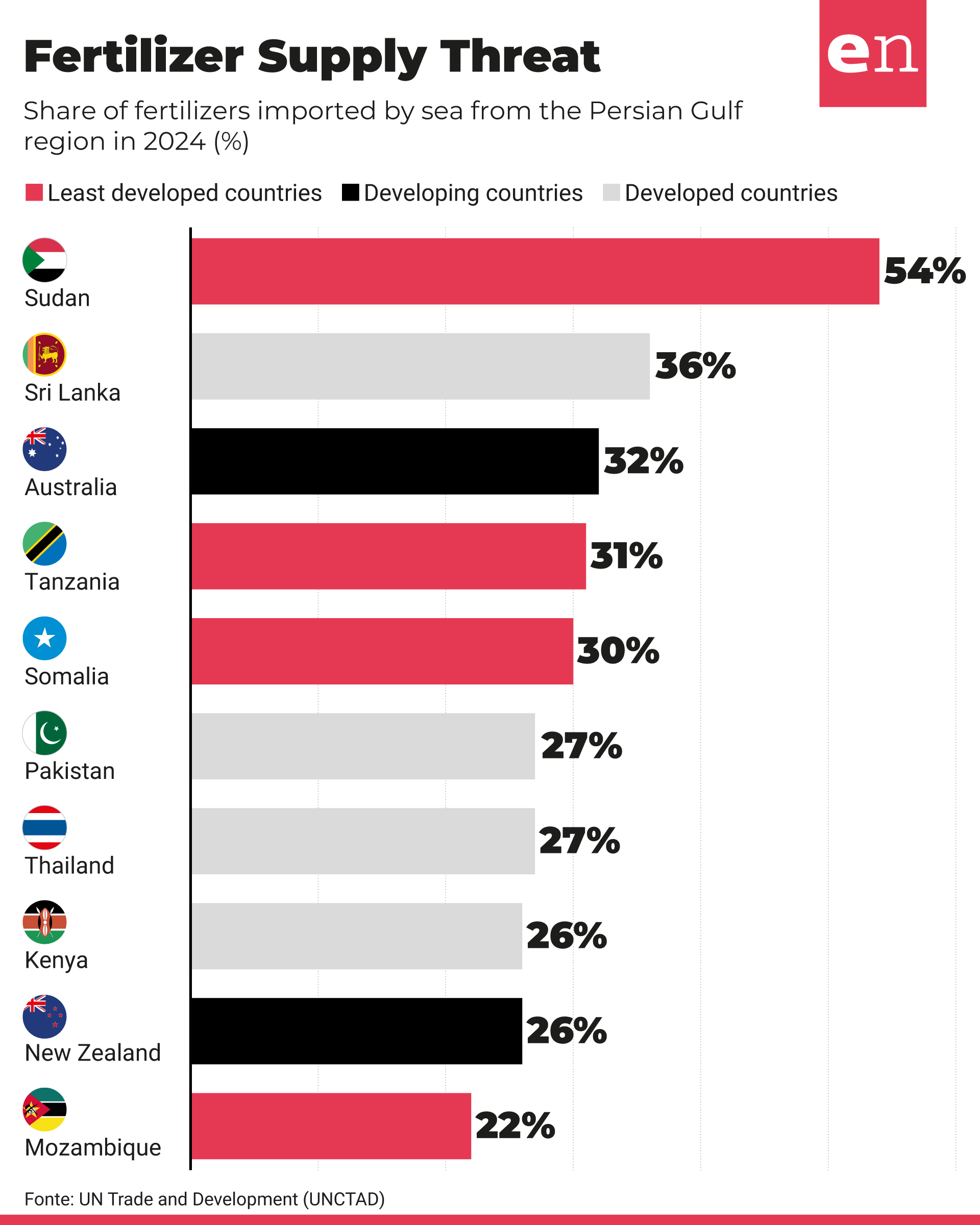
Here are the other, distinctly European fears, linked to new pressures on the EU’s external borders. This is a completely new aspect of a conflict that has ultimately reshaped the leaders’ agenda ahead of this week’s European Council summit (19-20 March), which is no longer focused solely on high energy prices.
To avert a total shutdown of the Strait of Hormuz, the EU High Representative admits to having entered into discussions with the UN Secretary-General “to have the same kind of initiative like we had the Black Sea initiative, how to get the grain from Ukraine out,” that is, the international solidarity corridors opened in the aftermath of the outbreak of the Russia‑Ukraine war through the Black Sea Grain Initiative.
Meanwhile, Kallas is considering the possibility of “changing and extending the mandate of Aspides,” the naval mission launched to ensure commercial transit through the Red Sea following the Houthi rebel attack, and which could be deployed to the Strait of Hormuz. Germany, however, is putting the brakes on, making the whole process an uphill battle.
English version by the Translation Service of Withub