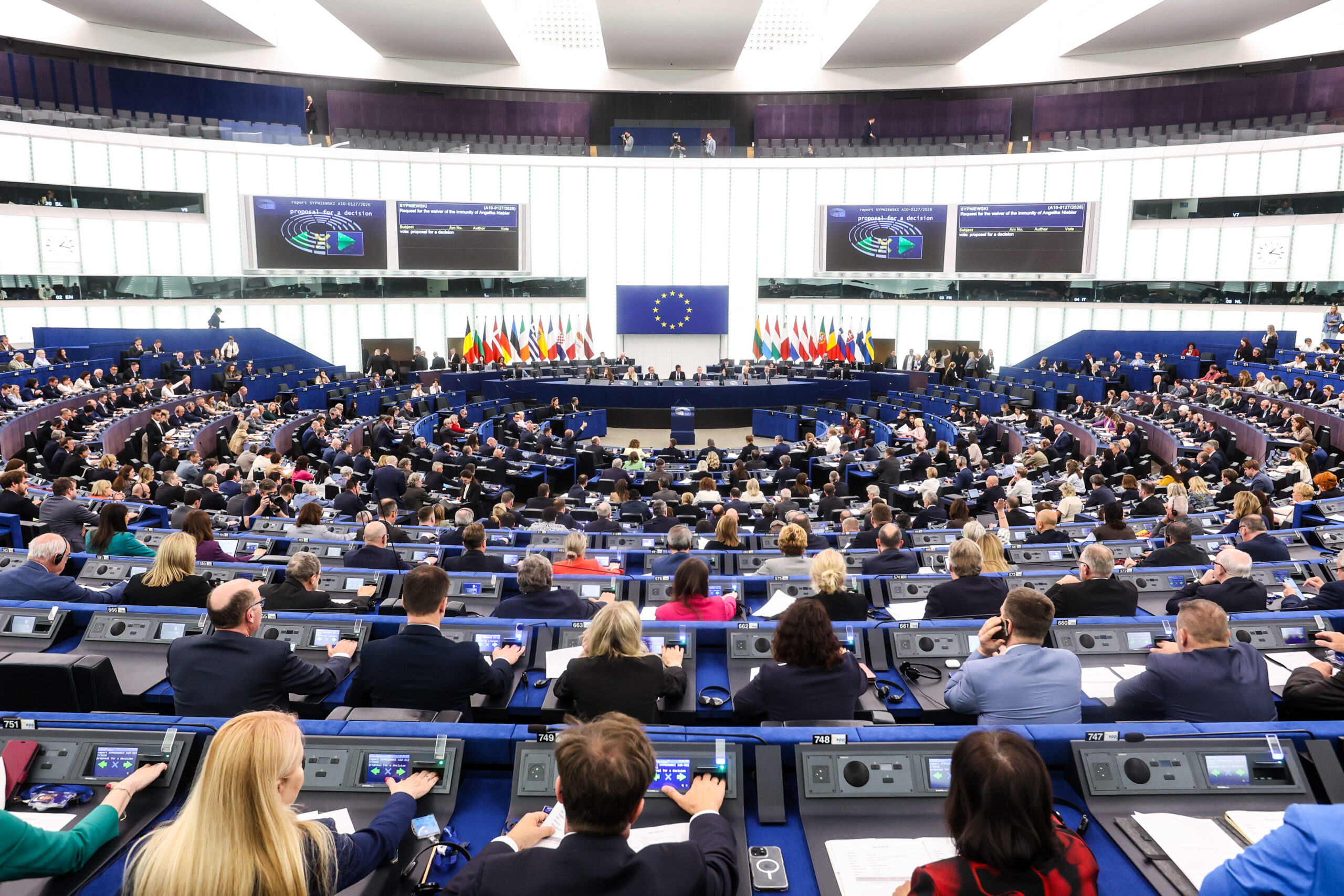

Brussels – A reduction in import quotas, an increase in customs duties and improved traceability of steel products. These are some of the measures designed to protect the European steel sector against global steel overcapacity, as confirmed by the European Parliament in plenary today (19 May). Approved by a large majority (606 votes in favour, 16 against, and 39 abstentions), the rules replace the current safeguard measures due to expire on 30 June 2026 and introduce import quotas limiting duty-free steel imports to 18.3 million tonnes per year, marking a 47 per cent reduction compared to the previous year. It was also decided to apply a 50 per cent customs duty (double the current rate) to imports exceeding the quota and to steel products not covered by it. “Europe needs a strong and competitive steel industry, based on trade, innovation and fair competition,” said the MEP from the Renew group, Karin Karlsbro. Meanwhile, the leader of The Left group, Martin Schirdewan, notes “that the Commission is moving away from free trade and the uncontrolled import of low-cost steel and towards a protectionist measure.”
The regulation also provides for the introduction of a “smelting and casting” requirement, under which importers would be required to identify the country where the crude steel was first smelted and cast, in order to strengthen the traceability of steel products and limit the circumvention of measures by non-EU companies through minimal processing of steel carried out in third countries. Consequently, from today on, the Commission will have to take the steel’s origin into account when allocating import quotas. On this issue, it was emphasised that, as a candidate country for EU membership, Ukraine’s difficulties must be taken into account when quotas are allocated. “Ukraine must not be penalised by EU measures while its steel industry is under direct attack from Russia,” stated Karlsbro, reiterating that Kyiv should be treated “as a future EU Member State” and that “the Union must now keep its promise to grant Ukraine special status under the new regulation.”
According to a study by the European Parliament’s Research Service published in May 2026, the European Union’s steel industry is the world’s third-largest steel producer and directly employs around 300,000 people. Currently, the sector is under pressure due to high levels of global overcapacity, which is forecast to rise to 721 million tonnes by 2027, more than five times the EU’s annual steel consumption. Added to these levels of global overcapacity are measures adopted by third countries, such as US tariffs, which restrict imports into their markets, making the EU the main recipient of global excess steel and causing negative repercussions on the competitiveness of its industry. Today’s measures are based on a legislative proposal adopted by the Commission in October 2025 and replace the current safeguard measures, which were due to expire on 30 June. The new regulation adopted today must now be formally approved by the Council and will enter into force on 1 July 2026.
English version by the Translation Service of Withub