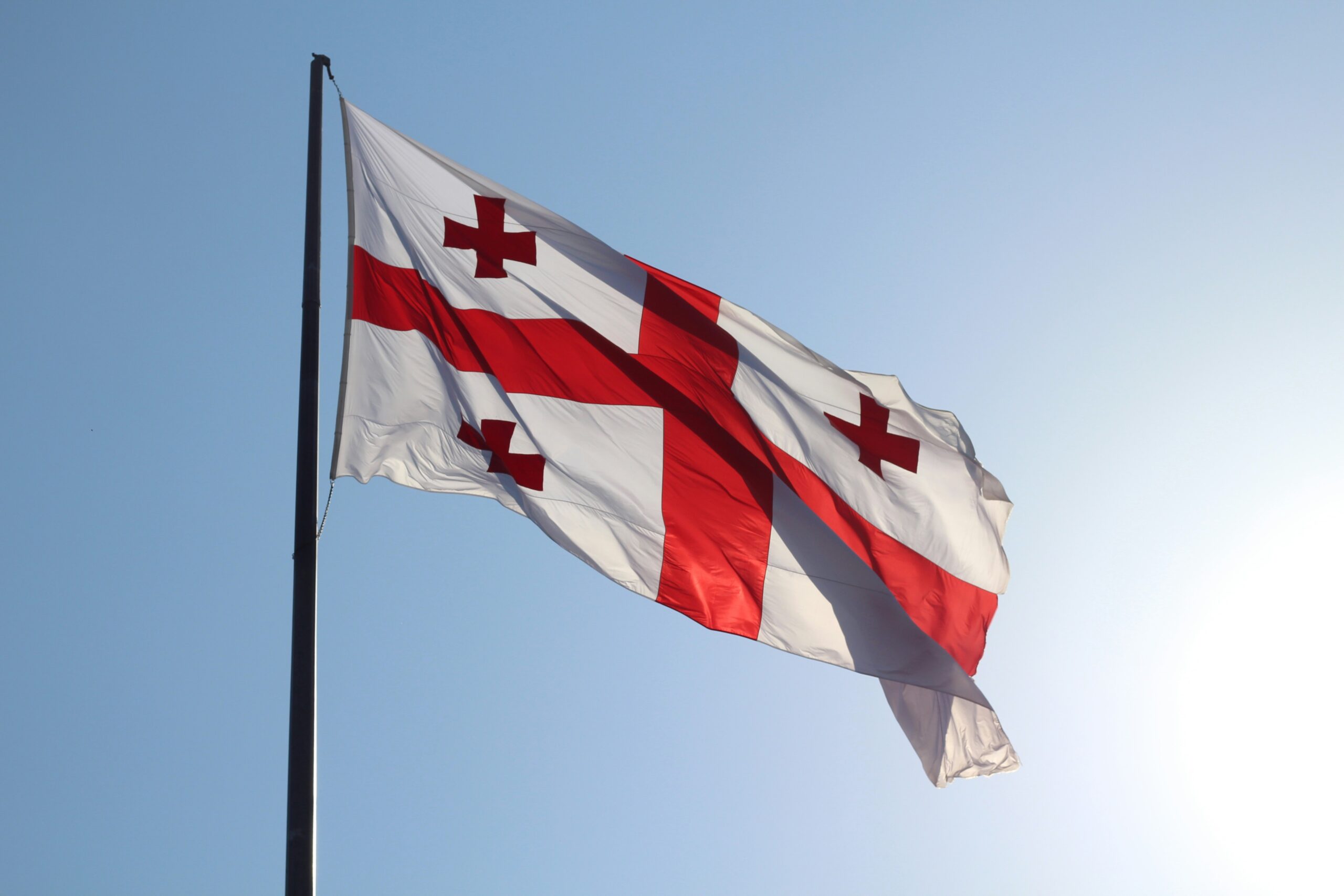

Brussels – The European Commission and Georgia are set to meet face-to-face to address the visa suspension issue. The meeting will take place on Thursday, 11 June, and marks the first meeting between the EU executive and a delegation of representatives from the Caucasian country after Brussels suspended the visa exemption scheme for diplomatic staff and civil servants from Tbilisi until March 2027. The European Commission spokesperson, Markus Lammert, announced it during today’s (8 June) daily press briefing.
On 6 March 2026, the European Commission invoked the new enhanced visa suspension mechanism for the first time in response to the Georgian government’s deliberate and persistent violation of democracy and fundamental rights. This means that Georgian citizens holding diplomatic or service passports require a visa to enter the Schengen area. When a visa waiver agreement is suspended, “the Commission initiates what is known as an enhanced dialogue with the third country concerned, with the aim of remedying the circumstances that caused it,” explained Lammert, adding that this would be “the subject of the next meeting.”
The reasons that led the government to activate the mechanism date back to October 2024 and relate to “the crackdown on protesters, opposition politicians and independent media.”Although the June meeting aims for “dialogue”, the spokesperson reiterated that the actions of the Georgian authorities undermine the principles on which visa liberalisation is based, including respect for human rights and democratic principles, and are incompatible with the Union’s rules and values. Not only that: for Brussels, these moves hinder the smooth development of economic, humanitarian, cultural, scientific, and other ties between the Union and Georgia.
Georgia has been a candidate country for accession to the European Union since December 2023. However, in 2024, due to the course of action adopted by the Tbilisi government, which Brussels deemed “contrary to the EU’s founding values and principles,” the country’s accession process effectively halted. In that year, the populist, pro-Russian Georgian Dream party, which has governed the country since 2012, emerged victorious from the parliamentary elections. According to Amnesty International, over time, the Georgian government has increasingly cracked down on rights and freedoms.
English version by the Translation Service of Withub![La presidente della Commissione europea Ursula von der Leyen e il presidente francese Emmanuel Macron in Montenegro [Foto: EC - Audiovisual Service]](https://www.eunews.it/wp-content/uploads/2026/06/P-069862_00-12_02-HIGH-766933-350x250.jpg)