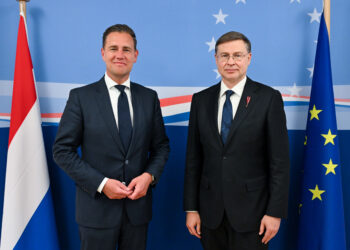
Brussels – “The current energy shock is hurting our growth and our tax revenue. That is why we are calling for caution.” The Commissioner for the Economy, Valdis Dombrovskis, is attempting to close ranks by calling everyone to order. This refers to the order of public finances, but above all to an orderly approach to policymaking. Because, as he lamented during the Economic Affairs Committee hearing at the European Parliament, many of the measures to address high energy prices have betrayed the mission and recommendations. “Measures to support households and businesses must be temporary, targeted and should not increase the aggregate demand for fossil fuels. Unfortunately, most measures currently do not align with these criteria.”
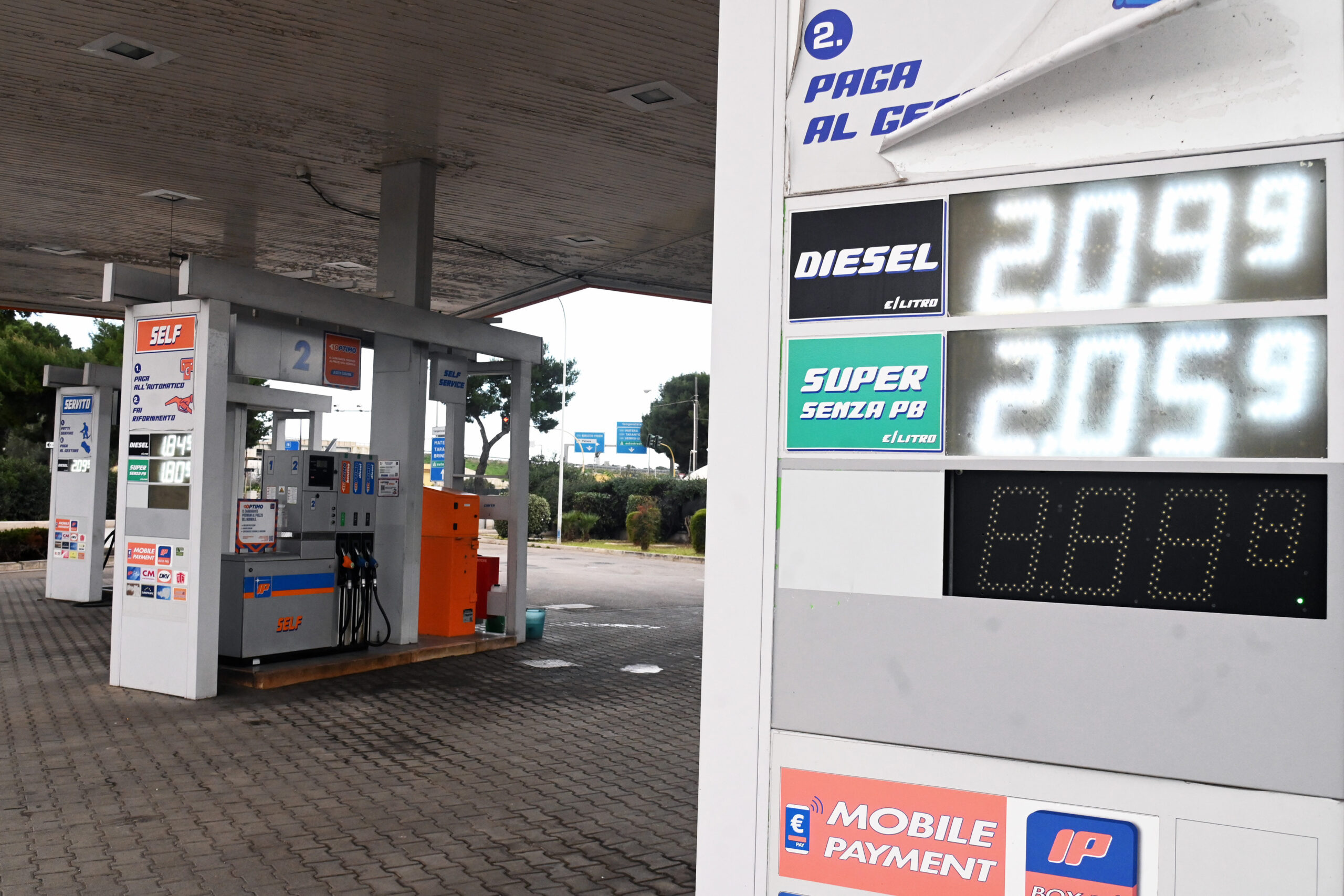
Criticism and disappointment appear to point to the choices made by the Italian government, which—renewal after renewal—has extended the cut to fuel excise duties introduced immediately after the outbreak of the war in Iran until 3 July. Measures such as those introduced by Italy “are often set to expire soon and should not be prolonged,” Dombrovskis added, insisting on the need to keep public spending under control and to work towards restoring the health of the national finances.
“Fiscal sustainability remains crucial at a time of great uncertainty,” the Commissioner for the Economy insisted, for whom there is no doubt that “Italy continues to experience macroeconomic imbalances,” to the point that in 2027, the country will record its highest debt level, even higher than Greece.
It is neither an indictment nor a frontal attack. Addressing MEPs, Dombrovskis is determined to reiterate that the situation calls for seriousness, determination, and decisiveness. This is no time for second thoughts, and he wants to make that clear. Whether it is a matter of cutting excise duties or not, “our short-term policies must not contradict our long-term ones, such as decarbonisation.” The course agreed at European level should, therefore, be maintained. Not least because extending flexibility in the common budgetary rules to the energy sector, as explicitly requested by Italy, “is designed precisely for measures that reduce our dependence on what are known as fossil fuels.”
English version by the Translation Service of Withub