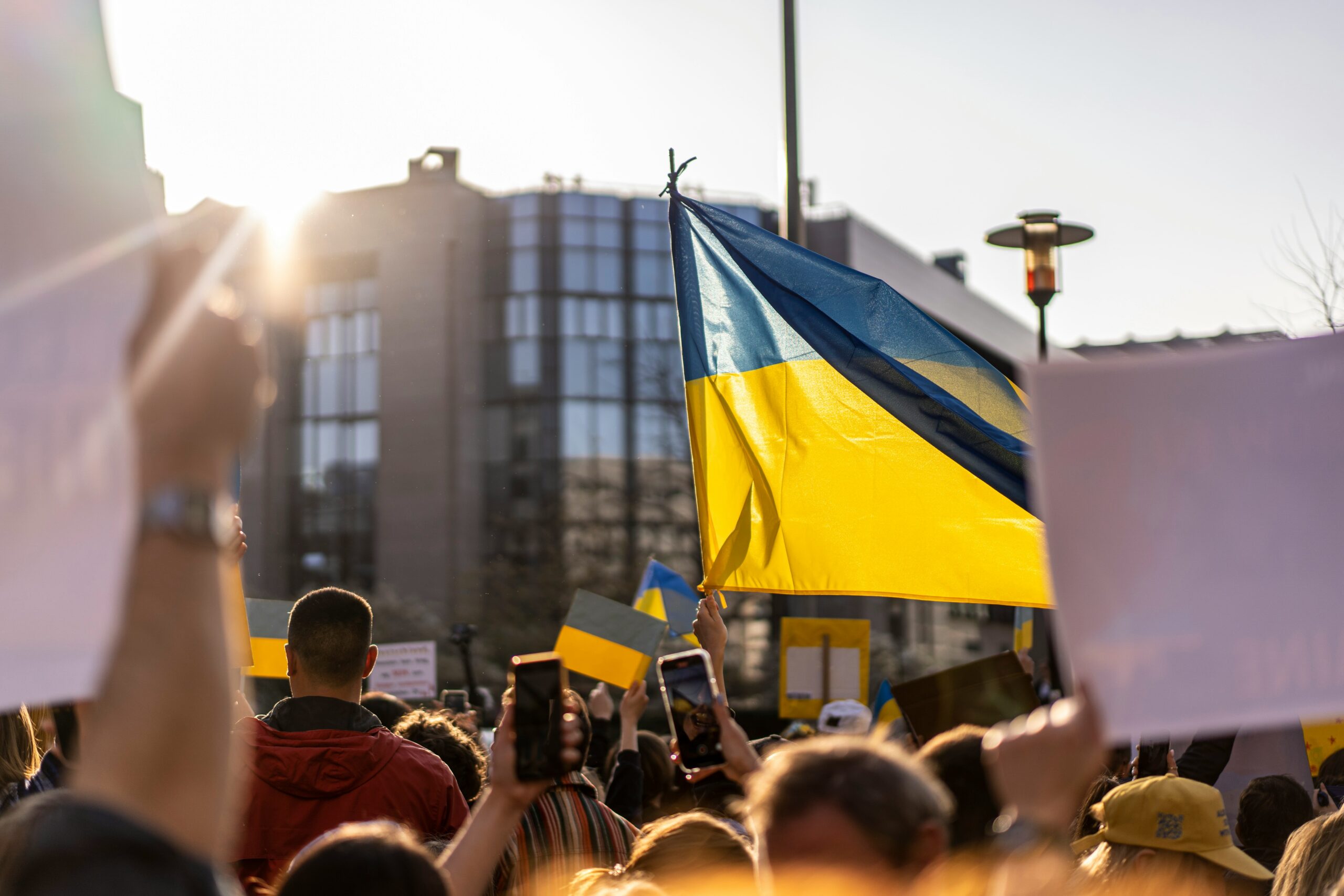
Brussels – Ukraine and Moldova are one step closer to Brussels. Coreper, the Committee of Permanent Representatives, comprising the 27 ambassadors of the European Union member states, decided today (10 July) to open Cluster 6, relating to external relations, for Kyiv and Chișinău. The news was announced by the Irish Presidency of the Council of the EU. Furthermore, the ambassadors agreed to provisionally close both negotiation chapters 25 (on science and research), 26 (education and culture) and 30 (external relations) for Albania, as well as chapters 8 (competition policy) and 29 (customs union) for Montenegro. “Building momentum for enlargement. Today, all EU Member States agreed to: open cluster 6 for Ukraine and Moldova; to close chapters 8 and 29 for Montenegro; and to close chapters 25, 26 and 30 for Albania. This is a clear demonstration of the importance Ireland attaches to enlargement during our presidency,” writes Dublin’s Minister for Foreign Affairs, Trade and Defence, Helen McEntee.
Generally speaking, a country wishing to join the Union must first apply for and be granted “candidate” status. Only after this step has been taken, and with the consent of the Member States, do negotiations begin between Brussels and the country concerned. This process covers 32 thematic chapters grouped into six categories (clusters): the fundamentals (the first); the internal market (the second); competitiveness and inclusive growth (the third); the green agenda and sustainable connectivity (the fourth); resources, agriculture and cohesion (the fifth); and external relations (the sixth). The first cluster, which covers the so-called “fundamentals”, includes the chapters on “the judiciary and fundamental rights” (Chapter 23), “justice, freedom and security” (Chapter 24), “public procurement” (Chapter 5), “statistics” (Chapter 18), and “financial control” (Chapter 32). This first cluster was opened in mid-June for both Ukraine and Moldova. Today also sees the opening of the sixth, on external relations, which encompasses the chapters on “external relations” (Chapter 30) and “foreign, security and defence policy” (Chapter 31). Once the chapters and clusters have been closed, the process is considered complete.
The political shift in Budapest was crucial to the momentum of Ukraine’s path towards the EU, with Prime Minister Péter Magyar lifting the veto in early June that his predecessor, Viktor Orbán, had imposed on Kyiv’s rapprochement with the EU. A few days after the opening of the first negotiation cluster, the European Council, in its conclusions, reaffirmed its support for Kyiv and emphasised that it “looks forward to the opening of the other clusters of chapters, in line with the merit-based approach.” And doing so as soon as possible is the view that enjoys the most support in Brussels, with the President of the European Commission, Ursula von der Leyen, having made no secret of her desire to open all clusters before the summer recess. “We had a productive European Council. We congratulated Ukraine on the opening of the first cluster. Our aim is to open further clusters before the summer,” shewrote on the sidelines of the summit on 18 and 19 June.
Meanwhile, the go-ahead to open Cluster 6 was given today. “A further step towards the European Union,” commented the President of the European Council, António Costa. “Ukraine and Moldova have kept their promises. And the EU is keeping its own, too. Today’s agreement by EU Member States to open another cluster in the accession negotiations marks further progress for Ukraine and Moldova. We are
keeping up the momentum on their path to EU membership,” concluded the former Portuguese Prime Minister.
![[Foto: EC - Audiovisual Service]](https://www.eunews.it/wp-content/uploads/2026/06/P-070063_00-24_01-ORIGINAL-350675-350x250.jpg)
![Il presidente del Consiglio europeo, Antonio Costa, e il presidente ucraino, Volodymr Zelensky [Bruxelles, 18 giugno 2026. Foto: European Council]](https://www.eunews.it/wp-content/uploads/2026/06/euco_zelensky-260618-350x250.jpg)