
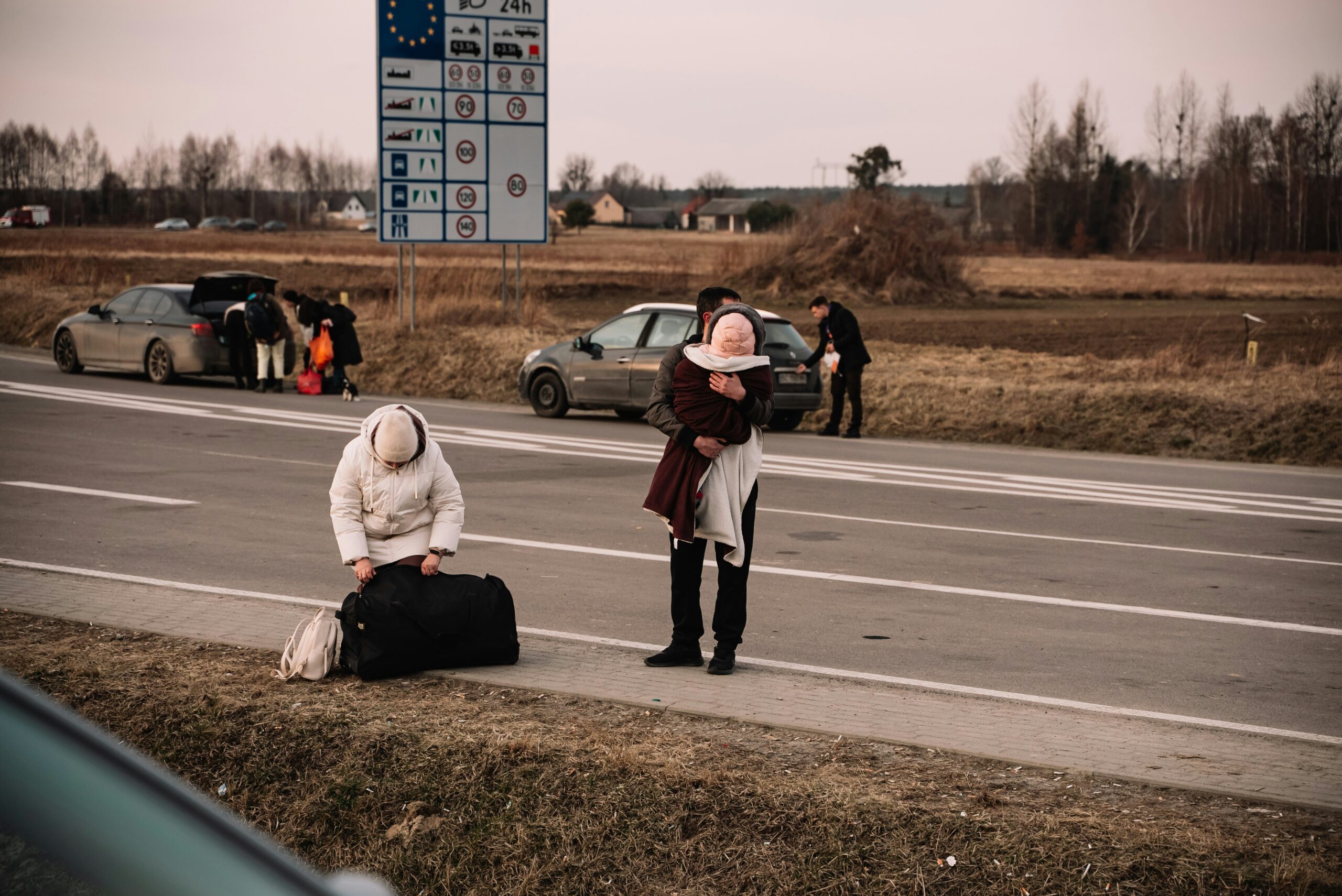
Brussels – Rwanda and Albania weren’t enough. Now it is Uganda’s turn. According to reports from the Greek daily eKathīmerinī, Germany, Austria, the Netherlands, Denmark, and Greece are finalising a plan to build a repatriation centre in Uganda, aiming to send irregular migrants outside the EU’s borders.
The plan is reportedly being finalised, and on 4 September, the interior ministers of the five countries will meet in Copenhagen (Denmark) to assess the progress of the ongoing negotiations. Some diplomatic sources told the Greek newspaper that the agreement is based on the idea that most of the migrants sent to Uganda will choose to return voluntarily to their country of origin, to avoid remaining in the African state. The facility, capable of “accommodating” between 5,000 and 10,000 migrants, is due to be completed by 2027. Specifically, it will be reserved for “migrants who have caused problems in the facilities where they are currently housed,” and would in any case exclude minors. As it has agreed to host this facility, Uganda will receive financial compensation, the amount of which is not yet known. By the end of the month, several technical teams are expected to travel to Africa for final discussions. It was the Greek Minister for Immigration, Thanos Plevris, who drew up the initial draft of the plan.
In addition to Uganda, the five are said to have already considered a second option, Rwanda, which has previously signed a similar agreement with the United Kingdom – an agreement which, however (or fortunately), never came into effect. Kenya had also been considered initially. According to Greek media, Greece is stepping up the opening of the centre because it intends to open a return centre in Africa before taking over the EU Council presidency in July 2027. The plan is based on the new EU Returns Regulation, which allows for the transfer of migrants whose asylum applications have been rejected to facilities outside the EU. The transfer takes place while they await repatriation to their country of origin. The United Kingdom, with Rwanda, and Italy, through its partnership with Albania, have launched similar initiatives, but have encountered serious legal hurdles due to limited guarantees on human rights safeguards.
English version by the Translation Service of Withub
![[foto: European Council]](https://www.eunews.it/wp-content/uploads/2026/08/eu-tunisia-350x250.jpg)