Brussels – Rivers running dry? The EU is at a loss.
This
is because the climate has changed completely since the water legislation was
first introduced. Today’s European Union finds itself managing a water crisis caused by drought on an unprecedented scale, with rules designed for a world that no longer exists, leaving Member State to fend for themselves. Strange, yet true. European solidarity on water scarcity still needs to be built from scratch, and while increasingly extreme weather events lay bare the flaws and limitations of European legislation, they are also beginning to force a rethink.
A parliamentary question presented by Bert-Jan Ruissen, a Dutch MEP from the European Conservatives and Reformists (ECR), raises the issue of solidarity amongst Member States during the periods of low water flow, such as the one the EU is currently experiencing in the sweltering summer of 2026, and which exposes the problem of obsolete legislation. The Commissioner for the Environment and Water Security, Jessika Roswall, admits that “the Water Framework Directive does not specify what form cooperation between Member States should take to tackle water scarcity.”
In the absence of clear and precise provisions, in the event of drought and low river levels, “Member States rely on a series of bilateral or multilateral agreements, which the Commission assesses regularly,” the Environment Commissioner explains. She therefore acknowledges: “Issues relating to reduced river flows are not being addressed consistently.”

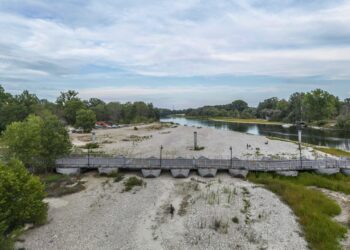
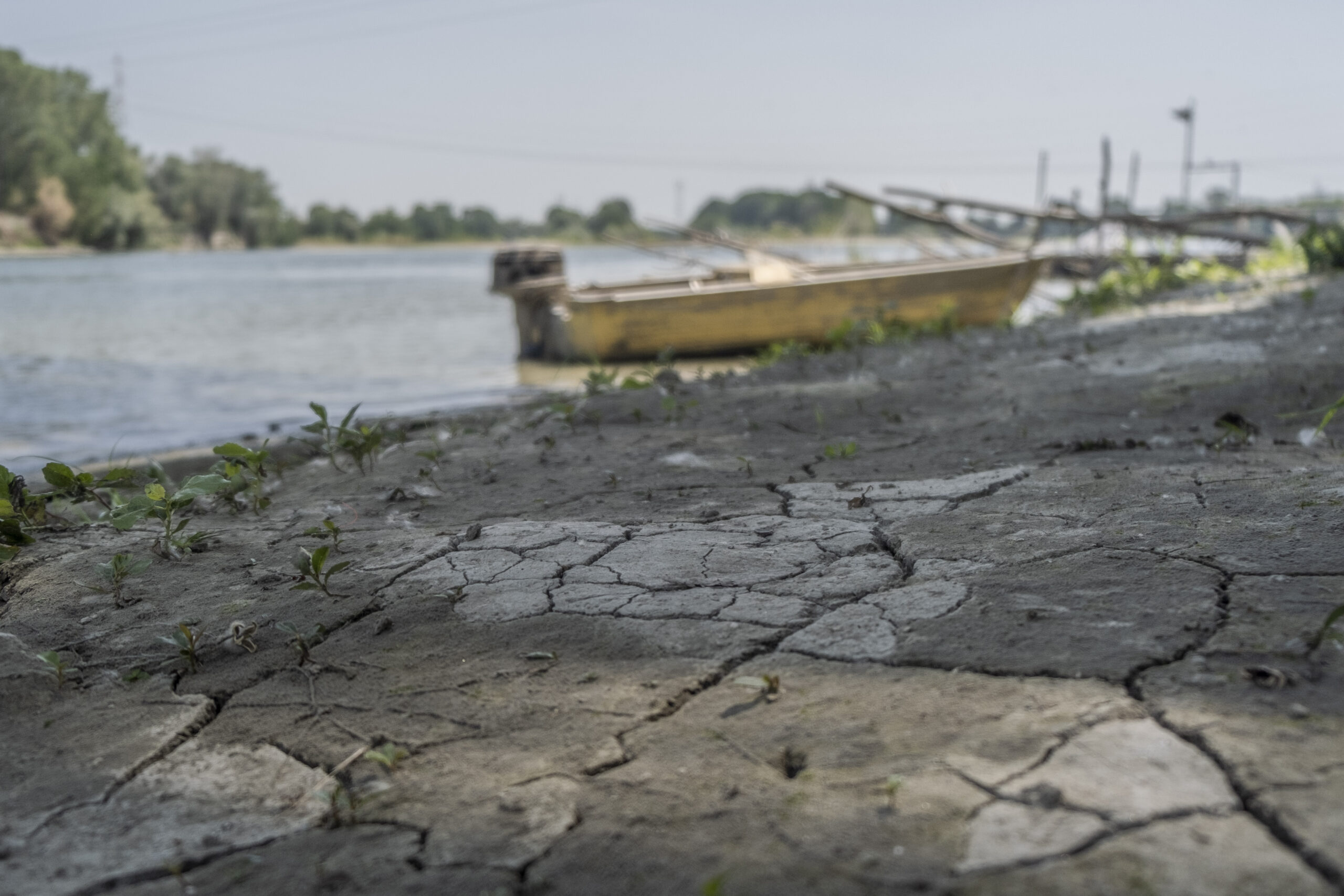
So, the EU is ill-prepared, first and foremost on the legislative front, as its rules are based on a situation that neither envisaged nor anticipated summers such as the ones we are currently experiencing. The Water Framework Directive cited by Roswall was approved in October 2000, almost 26 years ago, during which time many things have changed, and substantially so. Rivers running dry, such as the Po and the Danube, are revealing not only wrecks and vestiges of the past, but also the limitations of EU legislation that is not climate-change-proof.
By the end of the year, the European Commission intends to
present the integrated framework for climate resilience and risk management in
Europe. Roswall reveals that the proposal, expected in the fourth quarter of
2026, “will help Member States and the EU to strengthen their preparedness for
future climate conditions.” “This will make a significant contribution to
improving resilience and water security, including in shared river basins and
other cross-border contexts,” she reassures us.