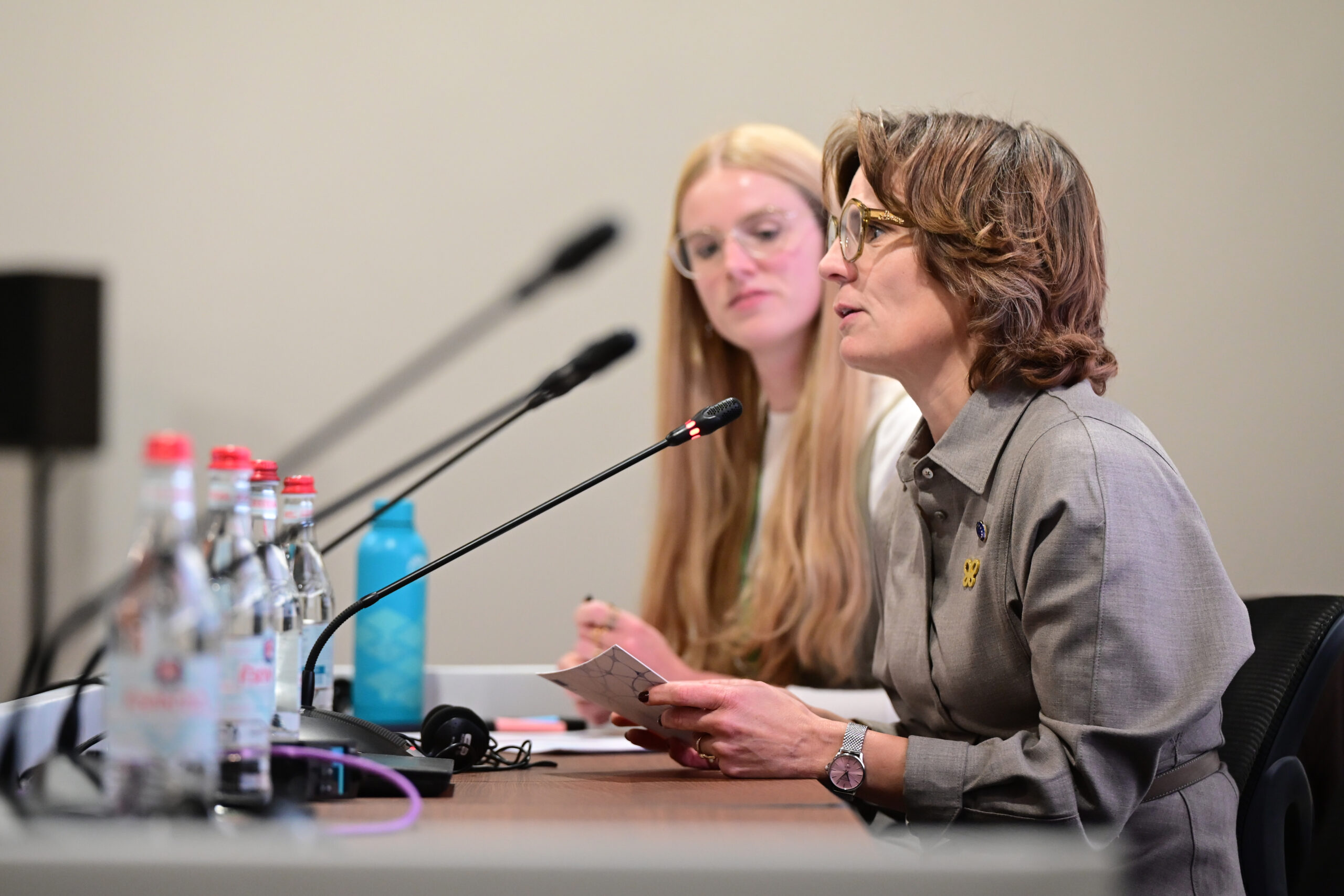
Brussels – Following the presentation yesterday (27 October) of The framework for strengthening climate resilience, the European Commission is once again focusing on investment to tackle the environmental crisis at COP17. This time, the aim is to mobilise private capital to protect and restore biodiversity, through new financial instruments designed to complement public resources. In Yerevan, Armenia, the European Commissioner for the Environment, Jessika Roswall, launched the Friends of Credits for Nature and Biodiversity, an international initiative to promote so-called nature credits.
The announcement was made during the Conference of the Parties to the Convention on Biological Diversity, the United Nations conference taking place from 19 to 30 October. At the heart of the negotiations is the implementation of the Kunming-Montreal Global Biodiversity Framework, adopted in 2022, which also aims to protect and manage 30 per cent of the planet’s land, inland waters, and coastal and marine areas by 2030. The Yerevan conference also represents the first test of the new global system for monitoring and verifying progress towards the agreed targets.
The initiative, led by governments and open to other countries and international organisations, was launched by the European Commissioner for the Environment, Jessika Roswall, together with France and Peru. In addition to the initiators, the first participants include Finland, Luxembourg, the Netherlands, Portugal, Spain, Australia, Botswana, Canada, Chile, Indonesia, Japan, and New Zealand.
Nature credits are financial instruments designed to reward activities that produce measurable benefits for ecosystems, “preserving habitats” and “at the same time generating revenue for those working to protect them and for investors,” said Roswall. The Commissioner also emphasised the need for “international cooperation” to encourage credible investment. The aim is to make these initiatives easier to finance by attracting businesses and investors interested in supporting projects with verifiable results. Farmers, forest owners, and other land managers committed to nature conservation could benefit from this, for example.
It is also a financial issue. With public budgets under pressure, the Commission aims to involve the private sector more closely, without replacing public funding or environmental regulations. The new initiative forms part of the European roadmap towards nature credits, adopted in July 2025, which provides for research, pilot projects, and consultations to develop reliable tools.
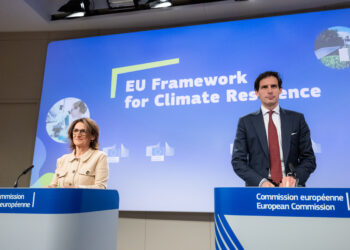
The stakes go beyond the protection of ecosystems: biodiversity contributes to food and water security, health, and the ability to cope with the impacts of climate change. It is this very link between the environment and the economy that emerged yesterday with the new European framework on climate resilience, which aims to better prepare infrastructure, regions, and economic activities for climate-related risks.
The challenge for Brussels is to turn environmental commitments into concrete investments, ensuring that the benefits for nature are real and measurable. Work on carbon credits will also continue with a European event at COP31 on climate change, scheduled for 18 November.
English version by the Translation Service of Withub