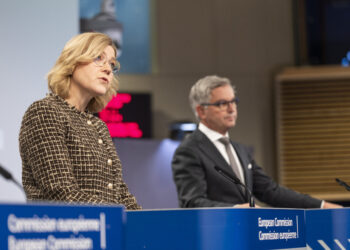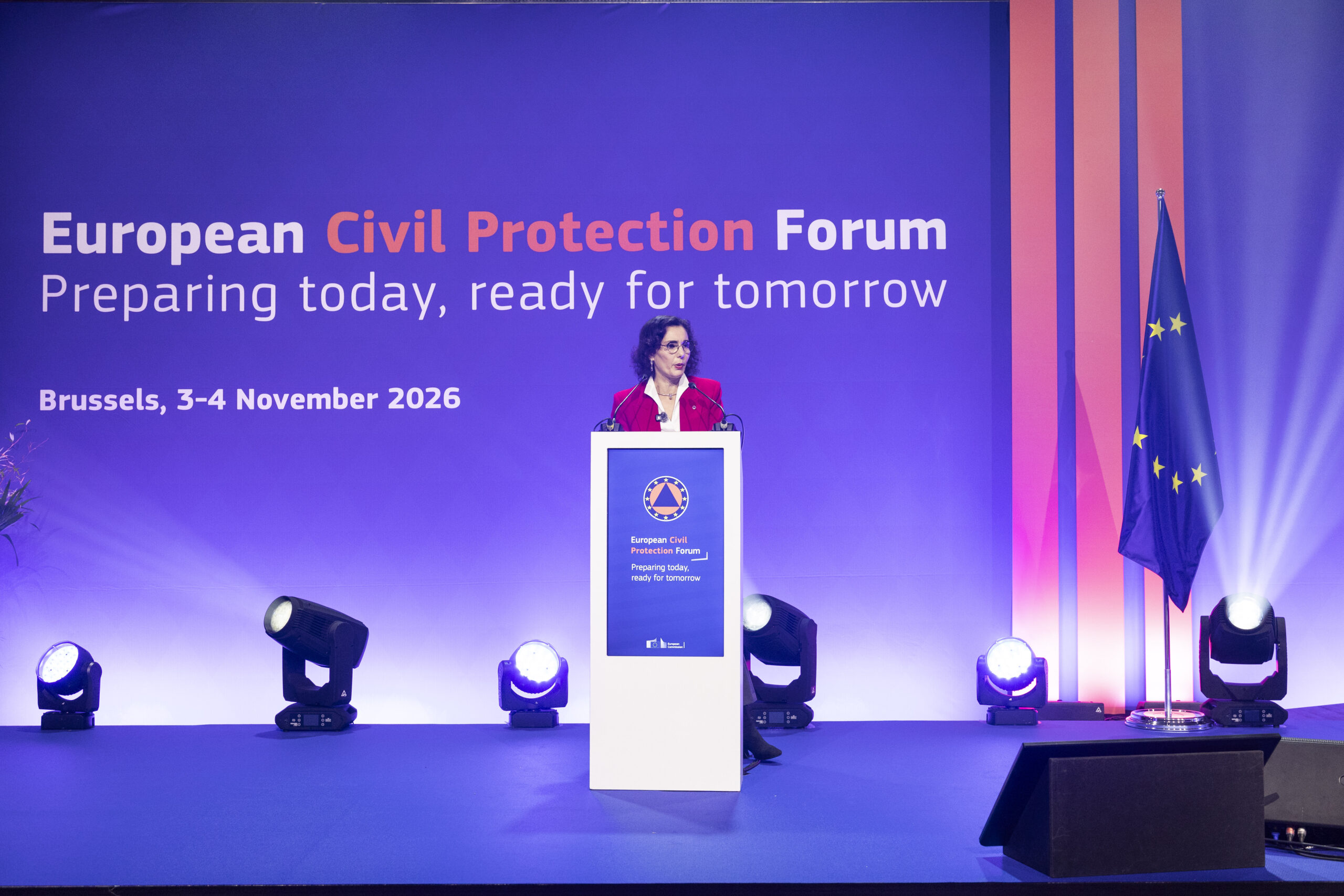
Brussels – “No country should be left behind, nor should it have to face a crisis alone.” This is the promise that the European Union has been committed to upholding for the past 25 years since the establishment of the European Civil Protection Mechanism, which was first activated on 23 October 2001. To mark the anniversary, the Commissioner for Crisis Management, Hadja Lahbib, announced a new plan to strengthen emergency preparedness in Member States and countries participating in the Mechanism, and proposed designating 23 October as European Crisis Preparedness Day.
The guidelines outlined by Lahbib are divided into four areas of action. The first concerns the ability to cope with an emergency for at least three days by strengthening citizens’ preparedness and self-reliance in the early stages of a crisis. The second focuses on training in schools, involving both students and teachers. “Learning what to do when the siren sounds should be as natural as learning to swim. Through play and routine, we can teach children to be prepared, not to be afraid,” the commissioner stressed.
The third area concerns the inclusion of people with disabilities in emergency planning, alongside training for authorities and first responders, to ensure that everyone’s needs are taken into account in both crisis preparedness and crisis response. The fourth guideline, meanwhile, focuses on risk communication and access to reliable information. “ People need to know what to do before a crisis and where to find information they can trust,” said Lahbib. This is an issue that, in the age of disinformation and deepfakes, takes on even greater importance: “In an age of deepfakes, that matters more than ever.”
Over the past 25 years, the European Civil Protection Mechanism has been activated more than 900 times to coordinate aid between European countries and also to support populations affected by emergencies outside the Union. A Eurobarometer published last week shows that up to nine out of ten Europeans believe it is important for the EU to coordinate its response to disasters, both within the EU and in third countries, while 94 per cent believe that Member States should support one another when an emergency exceeds the response capacity of a single country.
Last year, the European Commission proposed strengthening the system with new tools and funding, to improve emergency preparedness and make the response faster and more effective. According to Lahbib, this objective also requires adequate resources in the EU’s next multiannual budget. “We need strong funding in the next EU budget,” she warned.
“Twenty-five years ago, Europe made a promise: that no country should face a disaster alone. We are here to keep that promise. We will keep holding out that hand for the next 25 years,” Lahbib concluded.
English version by the Translation Service of Withub