Brussels – To strengthen cooperation between producers, farmers, and Member States, improve market predictability and reduce the European Union’s dependence on imports: These are the objectives of the new European Partnership on the fertiliser supply chain, launched today (9 November) by the European Commission to address the challenges facing a sector that is strategic for agricultural production and food security.
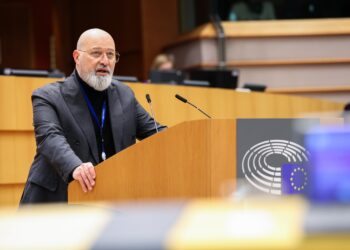
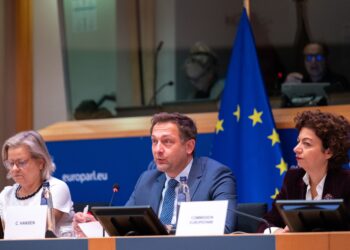
Through a series of policy dialogues, the initiative will bring together the various stakeholders in the value chain – from fertiliser producers to farmers – alongside representatives of the Member States and other interested parties. The first meeting will be opened by the European Commissioner for Agriculture and Food, Christophe Hansen. During the day, participants will discuss the situation in the European fertiliser market, the expectations of industry operators and possible proposals to be developed within the framework of the Partnership.
The aim is to identify the barriers that affect the availability and affordability of fertilisers produced in the EU, as well as the uptake of more nutrient-efficient farming practices. These comparisons will also help to develop possible policy responses, exploring opportunities to strengthen domestic production and improve the sector’s resilience and competitiveness.
The Partnership was announced by the European Commission in the Action Plan on Fertilisers, presented in May 2026, with the aim of promoting greater transparency and coordination throughout the supply chain. The document aims to strengthen Europe’s production capacity and the Union’s strategic autonomy, against a backdrop of supply difficulties and price volatility.
Supply disruptions have, in fact, contributed to a rise in the cost of fertilisers, placing increasing pressure on the budgets of European farms. This is a particularly significant factor for a sector in which fertilisers are essential for maintaining production levels.
To support farmers affected by the fertiliser and energy crises, the European Commission has also mobilised €540 million in aid. Member States will be able to supplement the European support with national resources, up to an amount equal to 200 per cent of the EU funding.
English version by the Translation Service of Withub