Brussels – In the shadow of the escalation in the Middle East, the NATO summit has kicked off in The Hague, where member states are expected to give the green light to new defense commitments at 5% of GDP. However, several clouds hang over the first summit of the Rutte era, from the conflict between Israel and Iran to the internal dissent led by Spain within the Alliance against the increase in military spending and support for Ukraine. Above all, the whole choreography is designed to minimize the risks associated with the unpredictability of Donald Trump, who, however, has already shaken the Dutch city before even setting foot there.
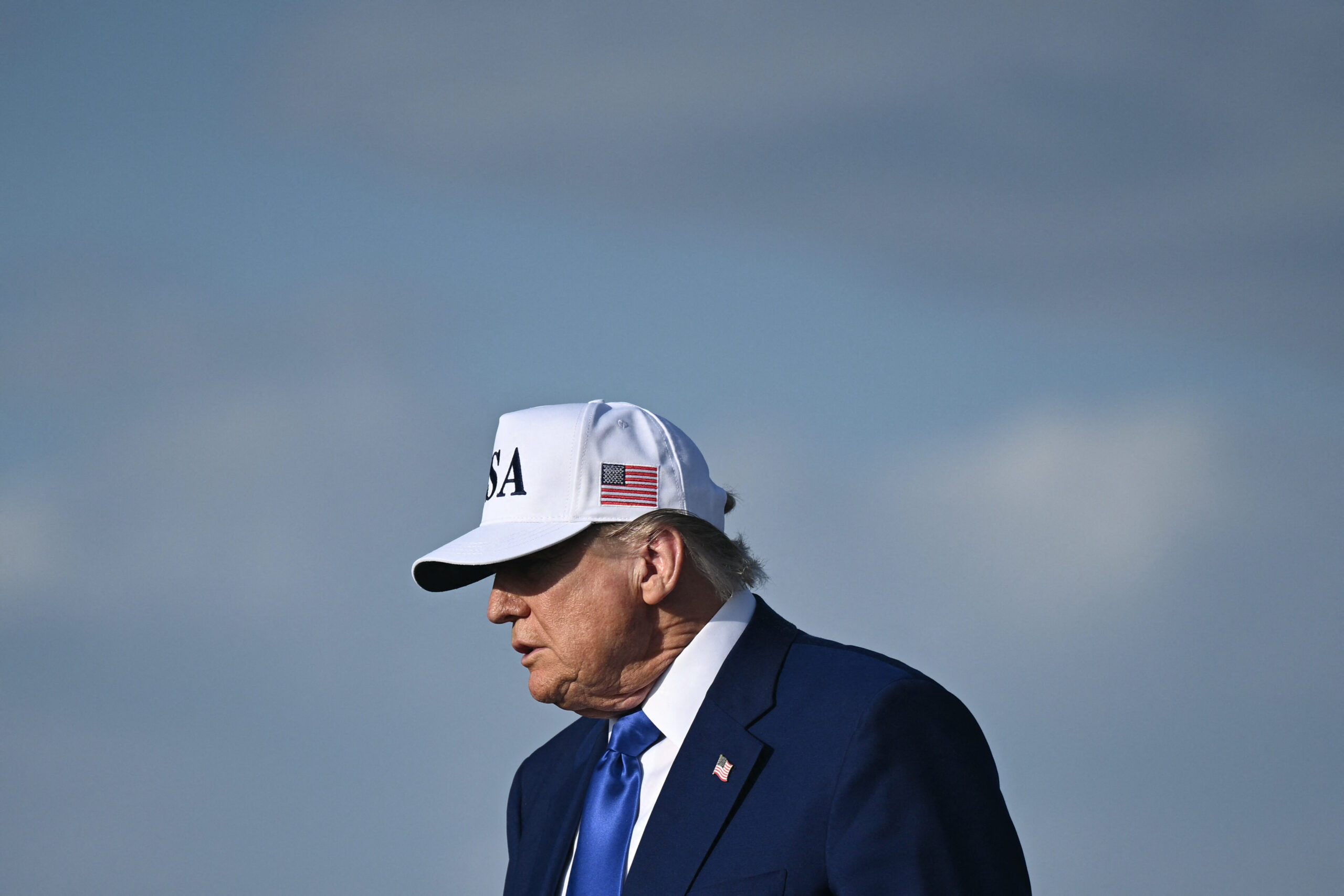
The Two Days of NATO in The Hague began today (24 June), the first summit chaired by Mark Rutte as Secretary General. However, the most anticipated and most unpredictable guest, Donald Trump, had already embarrassed the head of the Alliance before he even landed. As soon as he took off for the Old Continent – not after having rebuked Iran and Israel for having violated the ceasefire he brokered (which, however, he says, is still in force) – the tycoon posted on his social Truth screens of some messages received from the former Dutch premier.
“Congratulations and thank you for your decisive action in Iran, truly extraordinary, which no one else would have dared to take,” reads the conversation, all set in a particularly accommodating and deferential tone towards the US president, NATO’s majority stakeholder. “Tonight, you will fly to another great success in The Hague,” the messages continue. “You will achieve something that no American president has been able to do in decades,” namely that “Europe will pay a lot, as it should, and it will be your victory.“
However, precisely on the central issue of increased defense spending (which should rise from 2 to 5 percent of GDP, distinguishing between a 3.5 percent in ‘classic’ military spending plus an additional 1.5 percent in security-related investments), Spanish Prime Minister Pedro Sánchez has not lifted his reservation yet.
Face to face with Rutte, the Socialist prime minister discussed the new target,
claiming to have secured a specific waiver for Madrid. On the other hand, the head of the Alliance takes stock of the universality of the new spending commitments. He will likely resolve the issue through a sufficiently vague formulation of the summit’s final communiqué, to be signed by the 32 leaders.

Everything will hinge on the ambiguity of terms and the flexibility granted to the chancelleries to move from current spending levels to those required by NATO in a context in which international security is deteriorating at an alarming rate, also taking into account the new capability targets (specific to each member state) recently revised to maintain credible collective deterrence. On the other hand, all other countries (Italy included) that are still below the previous target, the 2 percent decided back in 2014, are also counting on flexibility – starting with a 10-year horizon set to 2035.
Another embarrassing moment by the US president concerns the solidity of the mutual defense clause, enshrined in the infamous Article 5 of the Atlantic Charter. Aboard Air Force One, Trump stated that “there are numerous definitions of Article 5,” refusing to confirm whether Washington would defend its European allies in the event of armed aggression. “I pledge to be their friend,” he cut short.
Statements that will not please the chancelleries of the Old Continent too much, where alarms are multiplying that Vladimir Putin‘s Russia could directly attack a NATO country along the eastern front by the end of the decade. In Rutte’s own words, the Federation remains “the most significant and direct threat to the Alliance.“
Even Ursula von der Leyen warned, “Russia will be able to test our mutual defense commitments within the next five years.” “By 2030, Europe must have everything in place for credible deterrence,” she added. It is necessary to put in place “a new mindset,” which will have to allow the 27 member states to “explore new ways of doing things, bringing together technology and defense, civil and military,” she said.

What about Ukraine? The Hague summit must also serve to reaffirm the Atlantic Alliance’s support for Kyiv’s resistance, but this time, the issue will enjoy less spotlight than at previous summits. To avoid irritating the sensitivities of Trump — who is not so fond of his Ukrainian counterpart, Volodymyr Zelensky — Zelensky was not invited to participate in the leaders’ only working session scheduled for tomorrow.
Today, the Ukrainian president cashed in on reassurances and praise from EU leaders. “We will continue to give full support to Ukraine and to exert pressure on Russia through sanctions,” said European Council President António Costa, congratulating the government in Kyiv on the “extraordinary work” it has done in implementing pre-accession reforms despite being bombed by the Kremlin. According to the former Portuguese Prime Minister, “We have achieved the conditions to advance the ongoing negotiation process” and get the country into the twelve-star club as soon as possible.
In contrast, Ukraine’s entry into NATO remains in limbo. Notwithstanding Rutte’s declarations, which reiterated for the umpteenth time the irreversible nature of Kyiv’s path towards the Alliance (“it still applies today and will continue to apply on Thursday,” he assures), the day when all current members will give their unanimous consent is still far off.
English version by the Translation Service of Withub


![Il commissario per la Difesa, Andrius Kubilius [Bruxelles, 10 giugno 2025. Foto: Emanuele Bonini]](https://www.eunews.it/wp-content/uploads/2025/06/kubilius-250610-350x250.jpeg)