



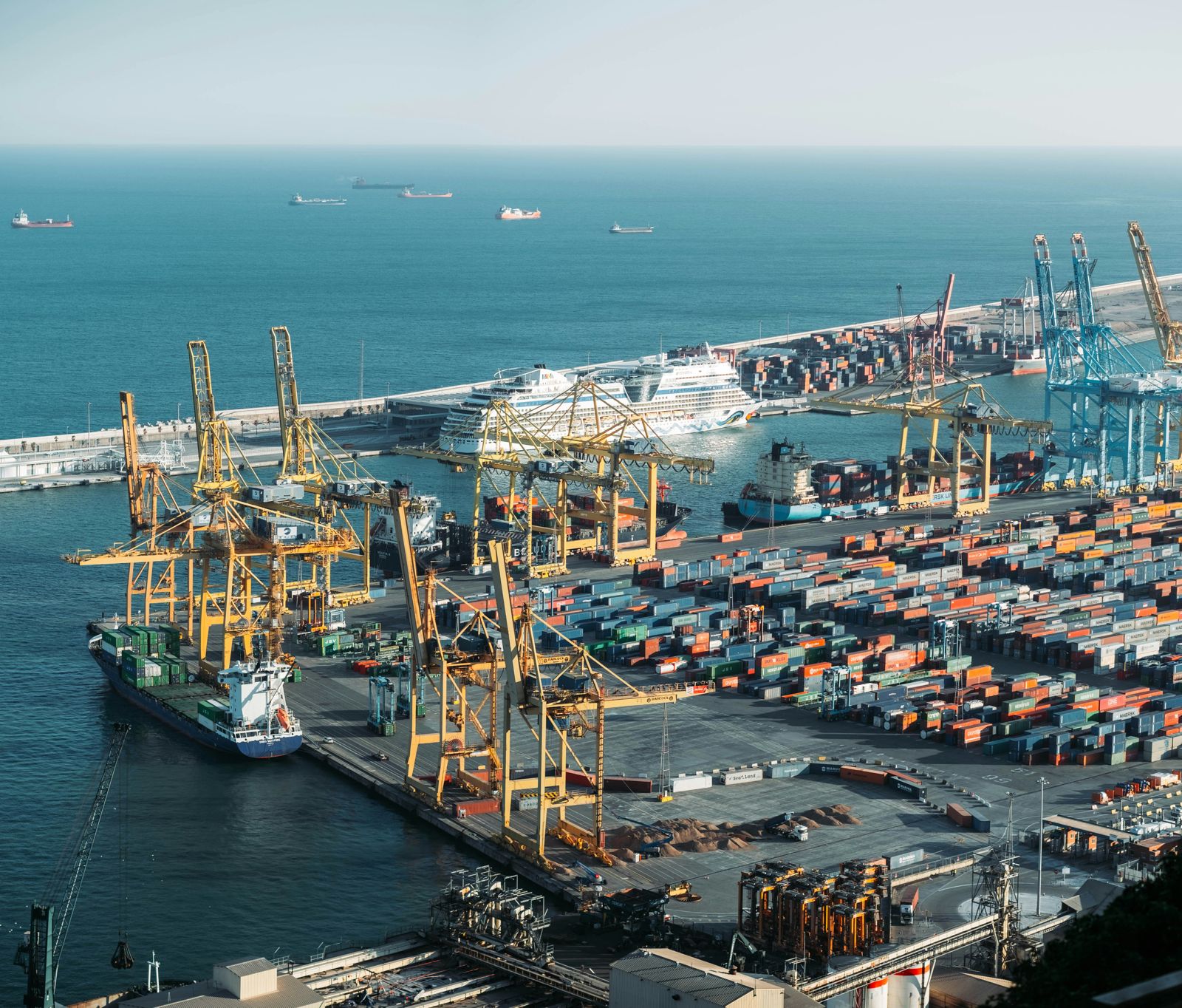
Brussels – European ports are failing to address air pollution in port cities, according to a new study analyzing the continent’s major port cities. The study, carried out by DNV on behalf of Transport & Environment (T&E), Europe’s leading independent organization for transport decarbonization, reveals that to date, only 20 percent of the onshore electrical infrastructure required by the EU has been installed or commissioned in major ports. This means that most ships —including container ships, cruise ships, and ferries — continue to burn fossil fuels while at berth.T&E is calling for more ambitious measures by ports to drastically reduce air pollution and unnecessary emissions from ships at berth.
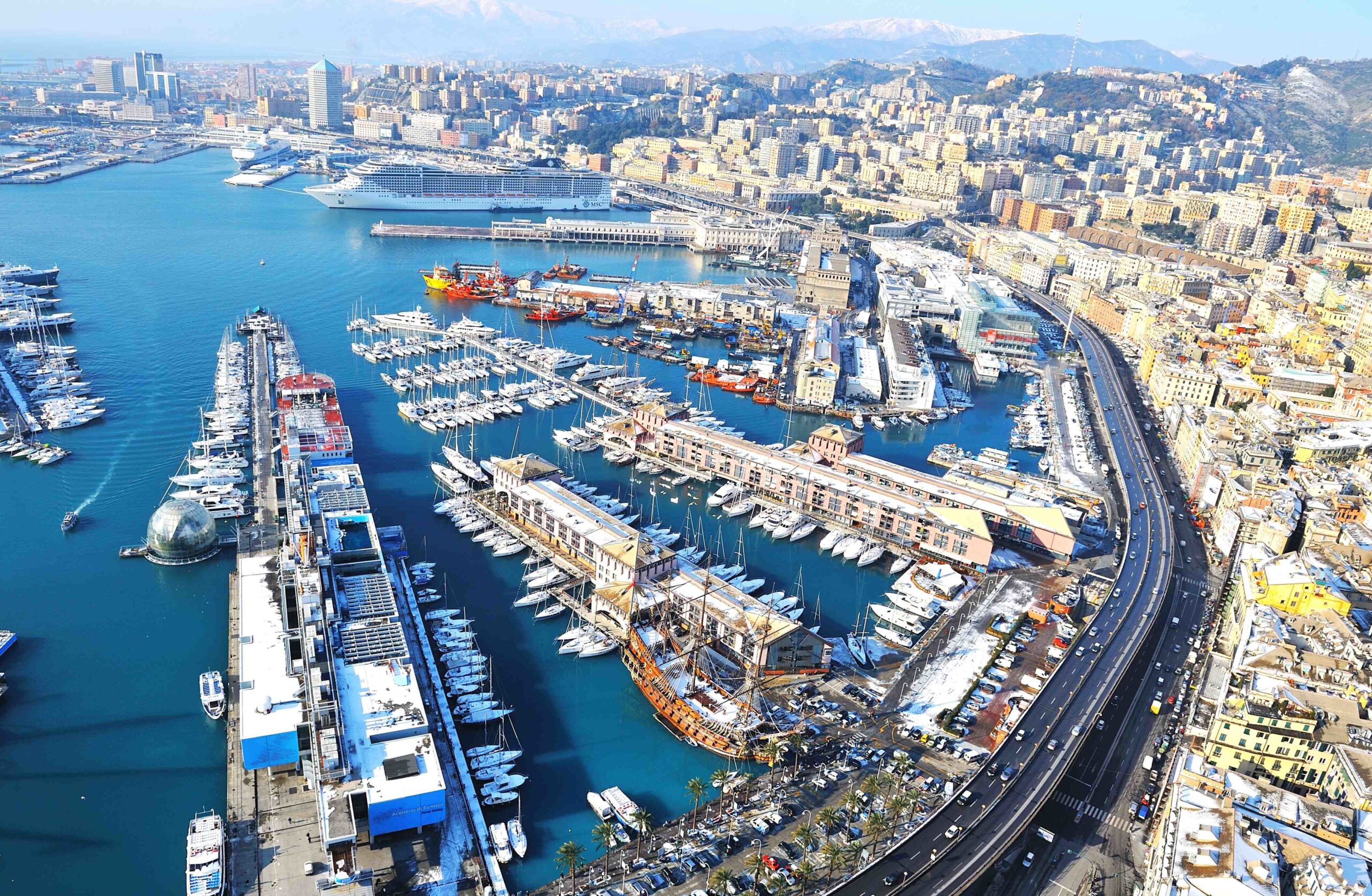
Livorno and Genoa are among the four ports with the highest number of OPS connections in Europe. Over 6 pct of Europe’s shipping emissions are caused by ships using fossil fuels while in port. In addition to CO2, ships also emit high amounts of sulphur oxides (SOx), nitrogen oxides (NOx), and particulate matter (PM), with serious effects on human health. As part of the European Green Deal, EU ports are required to install the infrastructure to supply ships with shore-side electricity by 2030. Installing them already today, rather than waiting until 2030, would considerably improve air quality in port cities. Of the 31 ports analyzed [1], Algeciras and Hamburg, along with Genoa and Livorno, have the most OPS (Onshore Power Supply) connections installed in Europe. The ports of Antwerp, Dublin, Gdansk, and Lisbon, on the other hand, have not yet invested in onshore electricity infrastructure, according to the study. In contrast, the ports of Rotterdam, Barcelona, Valencia, Bremerhaven, and Le Havre have disappointing performances regarding EU requirements. Only four ports, finally, have installed or contracted more than half of the required connections: these are the ports of Algeciras (Spain), Livorno, Świnoujście (Poland), and Valletta (Malta).
Electrifying the docks to improve air quality. Carlo Tritto, Sustainable Fuels Manager at T&E Italia, said: “It is incredible that even today, despite the technical feasibility and funding from NRRP, electrification of port docks is not a reality in all ports. Switching off the engines of ships at berth, especially those of the highly polluting cruise ships, is nothing more than common sense: it avoids burning fossil fuels when the ship is stationary, thus avoiding the emission of CO2 and all the toxic pollutants that our port cities do not deserve. Ship owners, port authorities, and the government should start again from virtuous cases like Livorno: electrifying the docks, switching off the engines, and improving the air quality for its citizens should be a priority!”
The Venice case
“The reality of many Italian port cities – in addition to the unsustainable presence of cruises that should be drastically reduced and OPS paid for out of their own pockets – is the presence at berths, for whole days or almost, of ferries whose fumes significantly worsen air quality and damage citizens’ health. Connecting the ferries to the OPS – if not total electrification when possible – is a fundamental measure to restore quality air to port cities,” said Anna Gerometta, president of Cittadini per l’aria. “The data from Venice, where 18 OPS are being installed for passenger transport despite traffic estimates calling for only two, on the one hand, shows the potential that port authorities have in terms of electrification. On the other hand, they raise great alarm, foreshadowing that infrastructures will undergo a major increase in passenger traffic, incompatible with the fragility of the lagoon. Will Venice be protected or even more exploited?” she added.
Electric infrastructures reduce emissions; Cruise ships stopped in ports
Cruise ships produce over six times more port emissions than other ship types because they spend much more time stationary at berth. For example, in 2023, Carnival’s Azura cruise ship, with 3,500 passengers, emitted as much as 22,800 tonnes of CO2 in European ports. The shore connection would eliminate these emissions and reduce the ship’s total annual emissions by 20%.
T&E: bringing forward the obligation to electrify docks to 2028
T&E calls on the EU and its Member States to bring forward the mandatory shore electrification for cruise ships to 2028, ensure that ports can obtain carbon credits (CIC-electricity) when ships connect and recharge renewable energy; and to allocate more European funds to port electrification, as well as to expand the legislation to include all polluting vessels, not just the largest cruise ships and container ships.
[1] The report analyses the main European ports. The following ports did not reply to the questionnaire within the deadline and were therefore excluded from the analysis: Marseille, Dunkirk, Tallinn, Copenhagen/Malmö, Porto-Leixões, Gdynia, Helsinki, Varna, Piraeus, Helsingborg, Ploče, Limassol, Marsaxlokk, Naples, and Civitavecchia..
English version by the Translation Service of Withub





![La video riunione dell'Eurogruppo [27 marzo 2026. Foto: European Council]](https://www.eunews.it/wp-content/uploads/2026/03/eurogruppo-260327-120x86.jpg)
