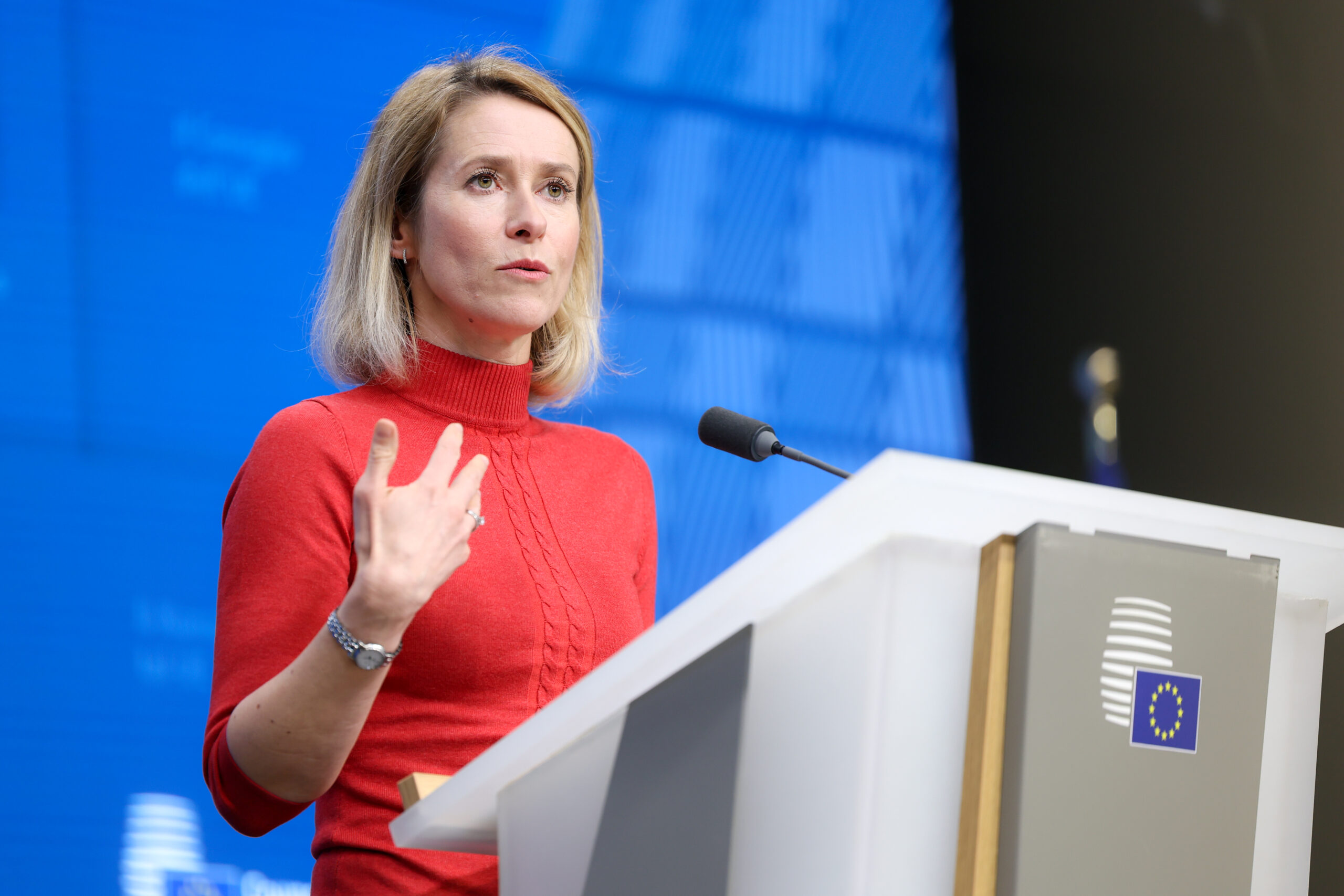
Brussels – After years of caution, European Union member states have broken the deadlock and reached a political agreement to add the Iranian Revolutionary Guard Corps (IRGC) to the list of terrorist organisations. This places them on a par with Hamas, Daesh, Al Qaeda and Hezbollah. The head of European diplomacy, Kaja Kallas, made the announcement at the end of the meeting of the 27 foreign ministers: “We have taken the decisive step; repression cannot go unanswered.”
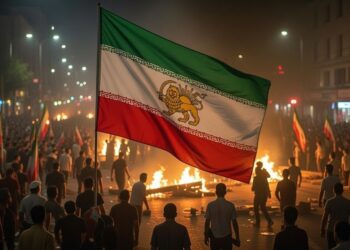
The latest reports, which tell of over 30,000 demonstrators killed in the demonstrations that have been ongoing since the beginning of the year, have convinced even the most fearful capitals of the need for a strong response. The sanctions imposed on 15 individuals and 6 entities responsible for serious human rights violations in Iran are insufficient. In total, the restrictive measures now affect 247 individuals and 50 entities. “We must go further, which is why France announced yesterday that it will support the inclusion of the Islamic Revolutionary Guard Corps on the European Union’s list of terrorist organisations, because there can be no impunity for the crimes committed,” announced French Foreign Minister Jean-Noel Barrot this morning upon his arrival at the meeting.
Italy, another historically cautious country, has also come on board. Antonio Tajani confirmed, on the sidelines of the Foreign Affairs Council, that “there is political consensus” and that now “the bureaucratic procedures will have to be carried out.” The decision should take effect within a few weeks. At that point, the entire Corps that guarantees the security of the Iranian ayatollahs’ regime will be subject to an asset freeze on European soil. In reality, the practical consequences will be few because the European Union has already imposed restrictive measures on the Pasdaran and several of their units. Today’s additions also concern several IRGC commanders and high-ranking officers from police and other law enforcement agencies (LEF).
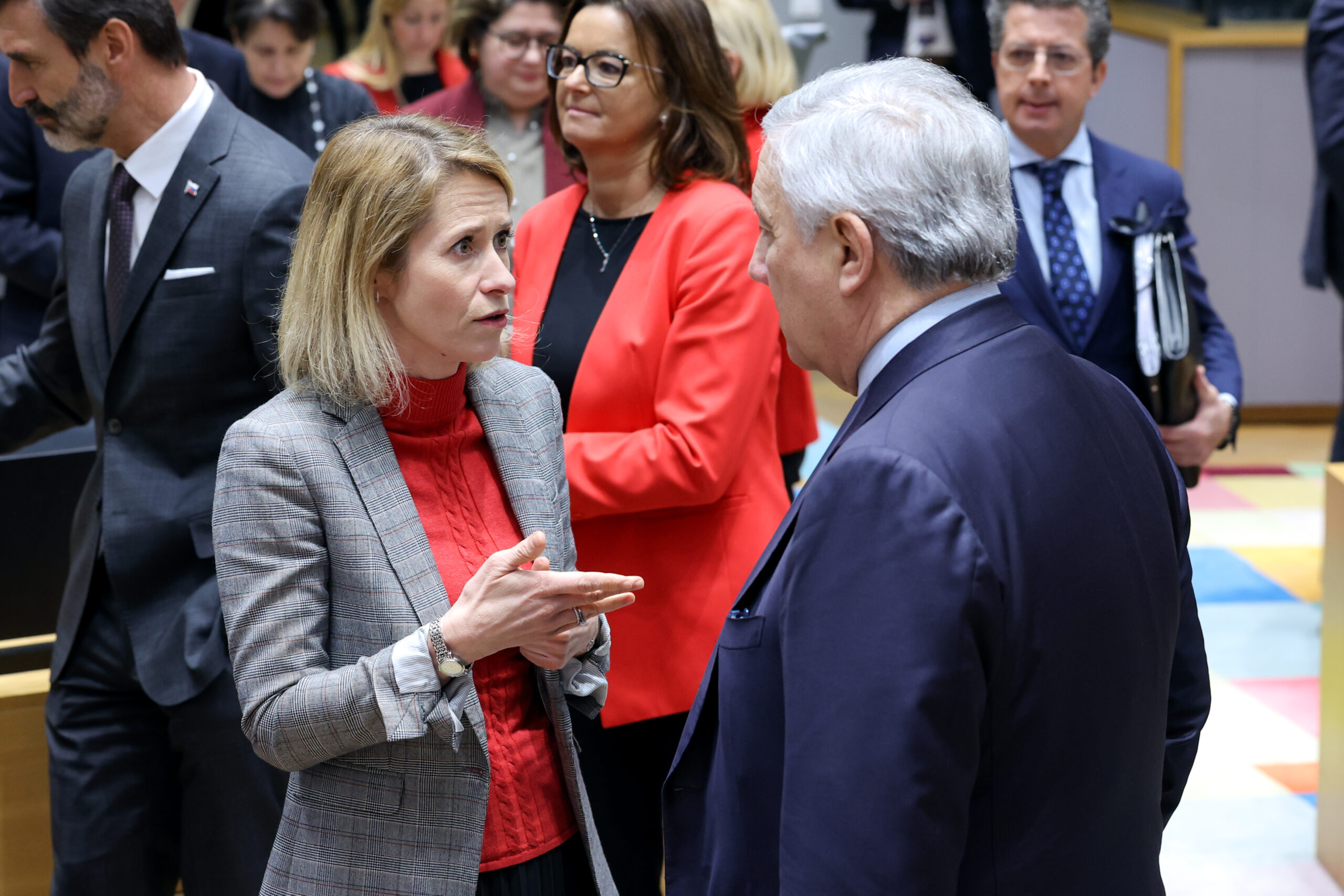
But the political implications and the effect on the delicate diplomatic ties that still bind Brussels to Tehran will be significant. “This does not mean that we should not continue to engage in dialogue, that we should not continue to talk,” Tajani insisted. Even “on the nuclear issue,” he added. And in fact, dialogue on Iran’s nuclear programme has always been, particularly for Paris, the main reason for caution towards such a decision.
The issue has been on the table of EU foreign ministers for a long time. Three years ago, during the crackdown on protests triggered by the killing of Mahsa Amini, the 27 hid behind a legal issue: for an organisation to be recognised as terrorist, there needs to be a national court ruling to that effect. The turning point came in March 2023, when the Regional Court in Düsseldorf, Germany, ruled that an attack on a synagogue in Bochum had been planned by an Iranian state agency linked to the IRGC. “Terrorist is precisely the term used to describe a regime that suffocates its people’s protests in blood,” wrote European Commission President Ursula von der Leyen on X.
Regarding the withdrawal of some Italian personnel from Iran, Tajani specified that this was “a precautionary measure.” Media rumours of an imminent US attack prompted the Foreign Ministry to take action: “When there is a risk of conflict, we must obviously try to reduce the risk to the personnel working at our embassy,” Tajani explained.
English version by the Translation Service of Withub