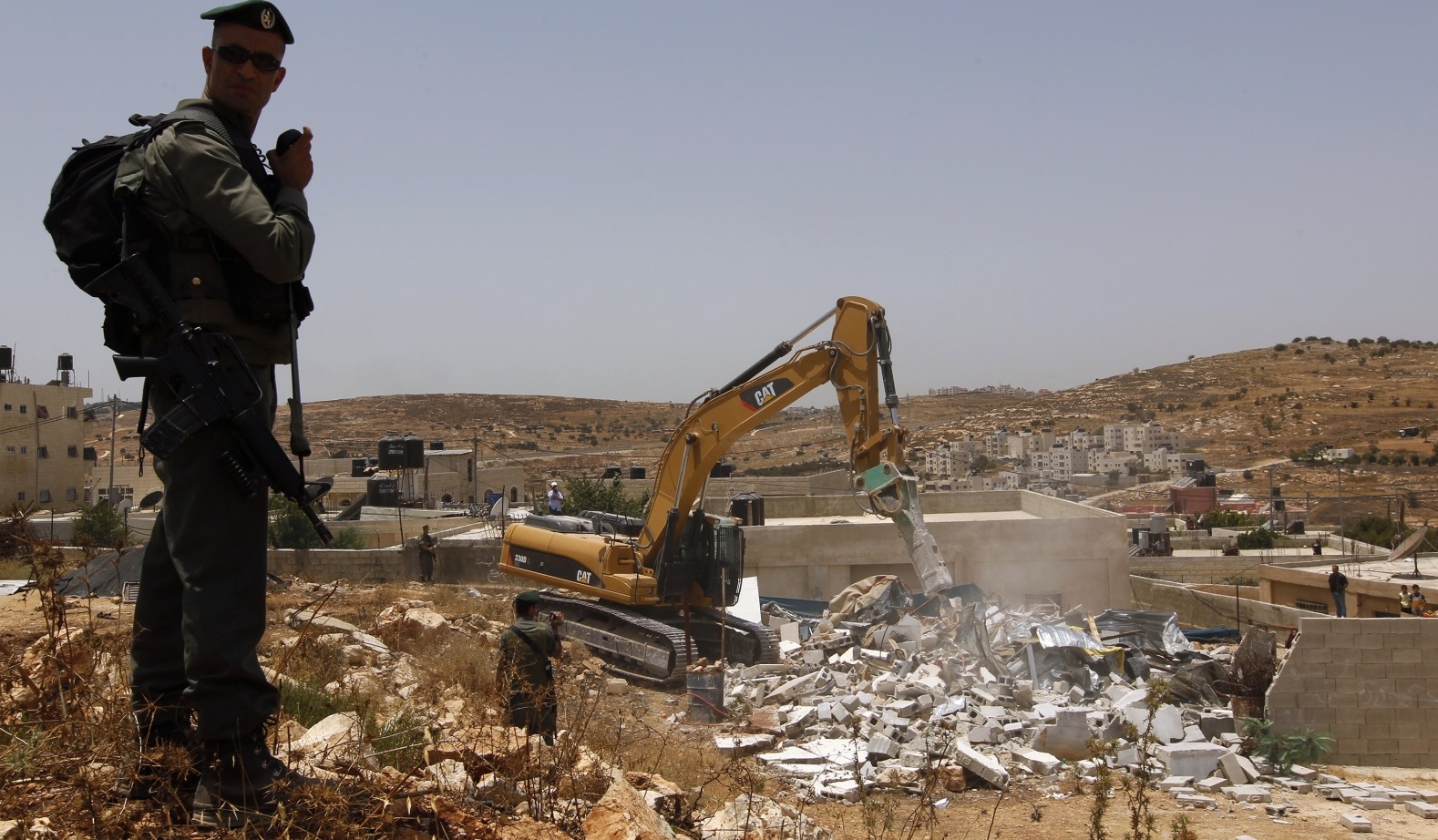
Brussels – With the eyes of the world focused on Gaza, Israel is pursuing a policy of silent (and violent) annexation of the West Bank. The new crackdown approved by the Israeli security cabinet will facilitate the acquisition of Palestinian land by settlers and authorise the Tel Aviv army to conduct control and demolition operations in the territories administered by the Palestinian National Authority. Israel continues to act with impunity: criticism from Brussels, which has called the measures “counterproductive and incompatible with international law,” is of little use. The only person who can slow down Benjamin Netanyahu is Donald Trump, who will meet with the Israeli prime minister at the White House today (11 February).
According to data collected by OCHA-Opt, the UN Office for Humanitarian Affairs for the Occupied Palestinian Territories, since 7 October 2023, attacks by Israeli forces and settlers across the occupied West Bank have killed at least 1,113 people, including 230 children. More than 21,000 Palestinians have been imprisoned. The expansion of Israeli settlements has increased significantly. During the Christmas holidays, Tel Aviv approved 19 new settlements, bringing the total number approved in the last three years to 69. On that occasion, the Minister of Finance, the religious extremist Bezalel Smotrich, claimed: “On the ground, we are blocking the creation of a Palestinian terrorist state.”
The new unilateral measures announced on Monday include the repeal of a decade-long ban on the direct sale of land in the West Bank and the declassification of local land registry records. By making the identities of Palestinian landowners public, Israeli settlers and real estate companies will have an easy time pressuring them to sell their land. In addition, Tel Aviv’s security cabinet has authorised the IDF to conduct control and demolition operations in Areas A and B of the West Bank, which are administered by the Palestinian National Authority. These three moves reinforce the collusion between settlers and state forces, which together have been pushing forward the progressive annexation of the West Bank for years, effectively emptying the Oslo Accords and the possibility of a Palestinian state of their meaning.
“It is a recipe for more control, despair, and violence,” denounced Philippe Lazzarini, Commissioner-General of UNRWA, the United Nations Relief and Works Agency for Palestinian Refugees. “These measures also represent a new blow to international law, creating dangerous precedents with global repercussions,” he added. In a statement released today, the EU High Representative for Foreign Affairs, Kaja Kallas, the Commissioner for the Mediterranean, Dubravka Suica, and the Commissioner for Crisis Management, Hadja Lahbib, “urged all parties to refrain from taking unilateral measures that increase tensions and further undermine the chances of a negotiated solution.”
The Israeli measures “risk undermining ongoing international efforts” aimed at stabilising and advancing peace efforts in the region, the EU executive stressed, recalling that “the EU has long maintained a position of non-recognition of Israeli sovereignty over the territories occupied since June 1967, in line with relevant UN Security Council resolutions.”
But Israel has shown in recent years that it pays no heed whatsoever to criticism from Brussels. And the European Union itself has failed, due to the lack of political will on the part of several of its Member States, to curb Tel Aviv’s violence and its blatant violations of international law in Gaza and the West Bank. Kallas herself, after the ceasefire, seems to have given up on putting economic sanctions—and restrictive measures against Smotrich and the other extremist minister, Itamar Ben-Gvir—proposed last summer by the European Commission back on the table.
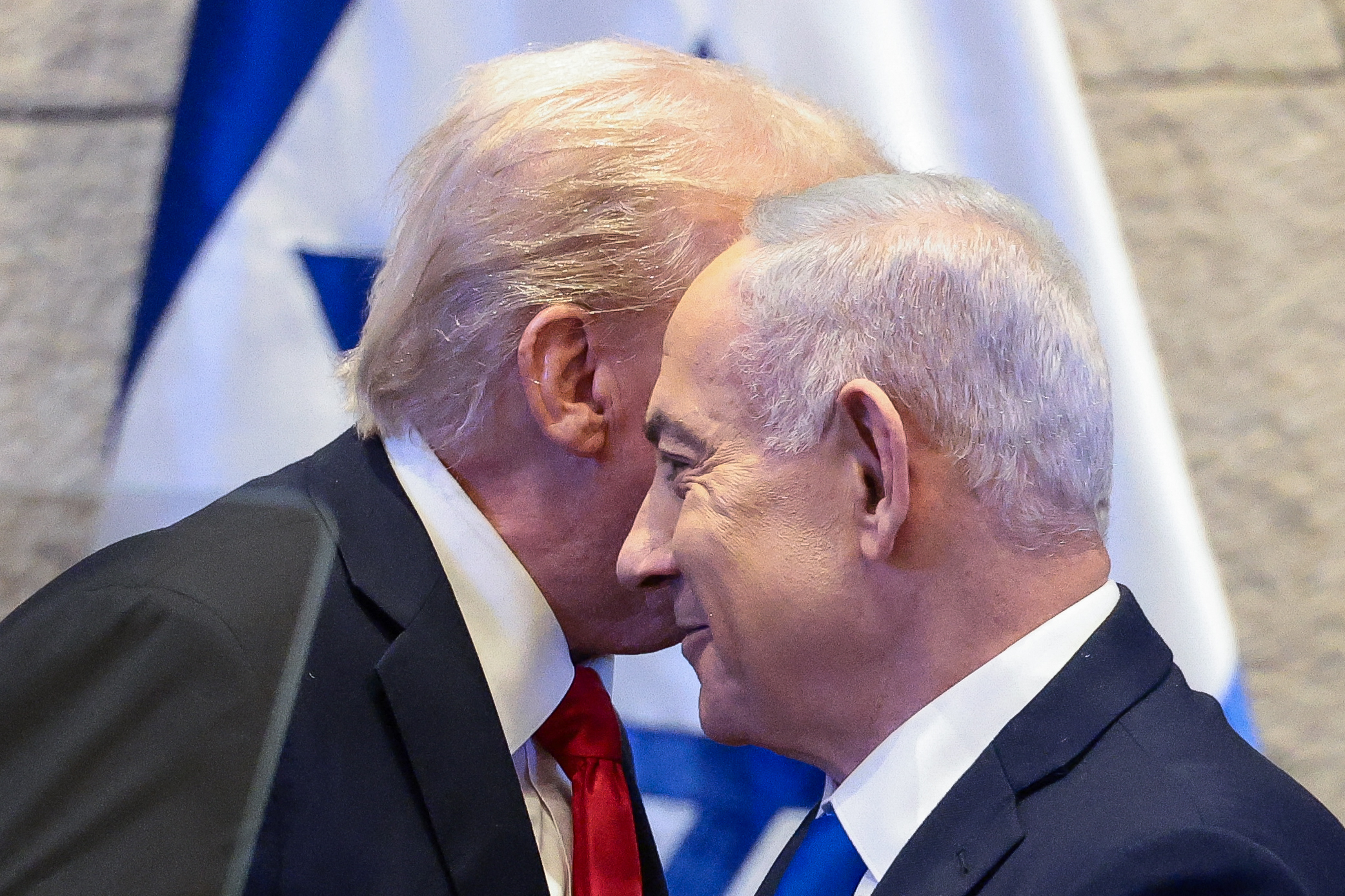
The only voice Netanyahu seems unable to ignore is that of Donald Trump, on whom his political survival essentially depends. Today, the two will meet in Washington: the focus is on Iran, but the White House has leaked its strong irritation at the measures approved by Tel Aviv. “A stable West Bank keeps Israel safe and is in line with this administration’s goal of achieving peace in the region,” said an official quoted by the news site Axios.
English version by the Translation Service of Withub



![Manifestazione di agricoltori, allevatori, ambientalisti e cittadini, che nella mattinata di ieri, si sono riuniti di fronte all’emiciclo di Strasburgo per chiedere il respingimento il provvedimento. [Foto: Eunews]](https://www.eunews.it/wp-content/uploads/2026/06/WhatsApp-Image-2026-06-17-at-18.06.50-120x86.jpeg)
![Un momento del summit UE-Russia del 2013 [foto: European Council]](https://www.eunews.it/wp-content/uploads/2026/06/ue-russia-120x86.png)