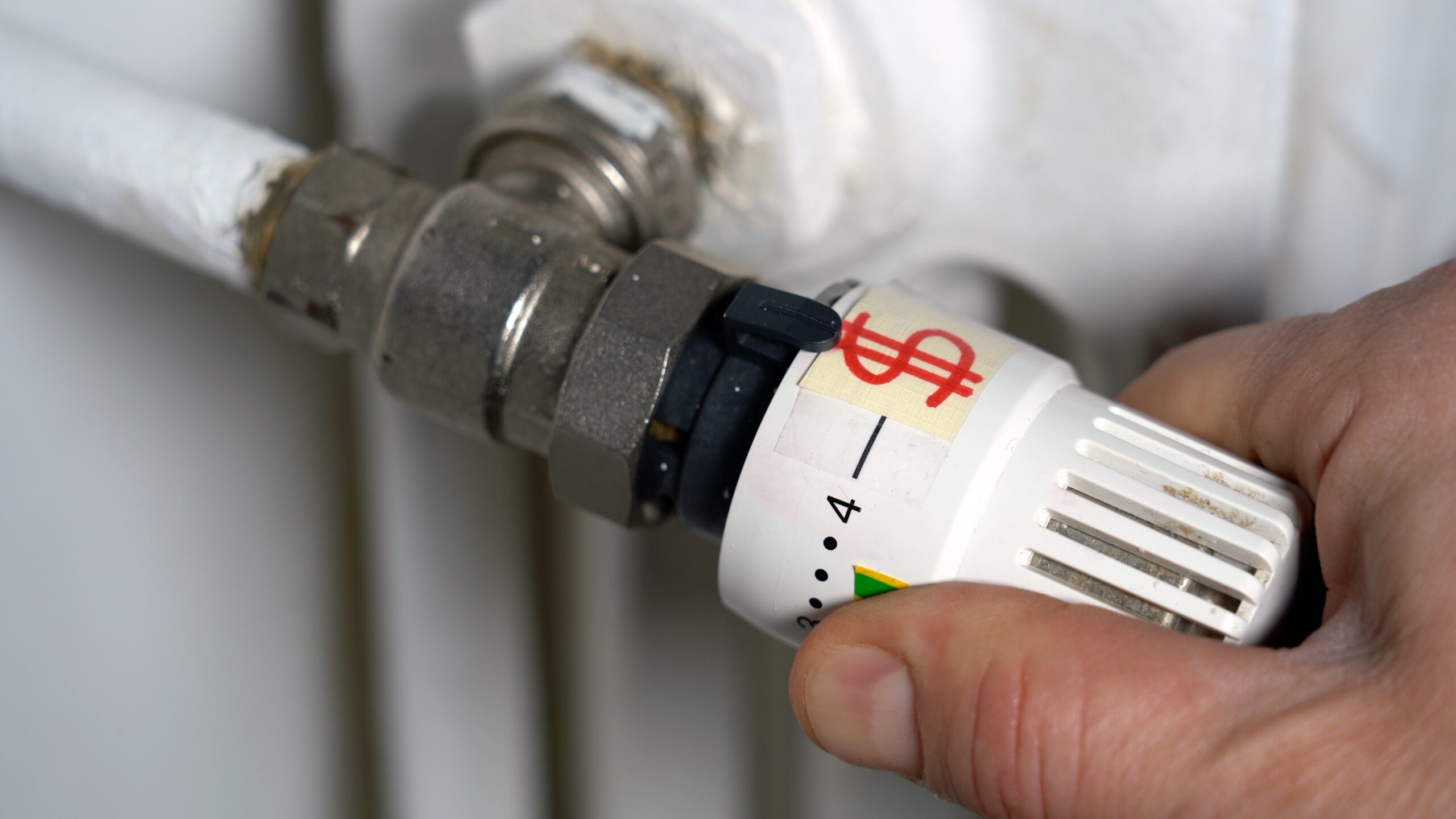
Brussels – The rise in energy bills caused by the war in Iran will not be easy to manage. Because public finances cannot be put under strain and the risk is that, ultimately, households and businesses will have to tackle the issue through individual sacrifices. The point, EU sources acknowledge, is that “compared to the energy shock of 2022, we currently lack the budgetary scope to even consider repeating measures such as those adopted previously.” Whereas Russia’s war in Ukraine triggered a surge in energy prices, which was addressed by relaxing state aid rules and increasing spending, this time, greater caution is required, not least because the markets and financial operators are watching.
It is not just rising energy prices that are causing concern; in Brussels, attention is now turning to “the volatility in the sovereign debt market.” The spread (the yield differential between the German Bund, considered reliable, and other countries’ debt securities) is fluctuating too much. On the one hand, this is not surprising, as the European Union remains a net importer of fossil fuels, and developments in oil and gas prices and supplies explain volatility in the sovereign bond market. “If anything, we need to demonstrate credibility in terms of public finances,” the same sources say. This means not increasing the deficit and debt, but rather reducing them.
Some governments, such as Italy’s, have already introduced measures to reduce fuel prices. The Meloni government has sought to reduce taxes on petrol and diesel at the pump, but this means cuts to services and reduced revenue for the coffers of a state that boasts the second-highest public debt of the EU and the eurozone. An understandable and accepted measure, but “this is a time when caution is required given the implications for stability” before implementing measures, the European official continues. What little flexibility on spending and budgetary rules that was still possible has been “eaten up” by defence, the new EU policy priority under which governments have been given the option to suspend the internal stability pact and provide funding for the sector.
Before Member States act in a purely national, and therefore uncoordinated and chaotic, manner, the aim is to urge governments to remain calm and consult with one another. This is why the President of the Eurogroup, Kyriakos Pierrakakis, has called for a video conference of economic ministers, as the economic implications of the war in Iran must be discussed now, without delay. “This is not a good time to make predictions,” officials in Brussels acknowledge, echoing the European Commission’s public statements, and it is precisely for this reason that they wish to avoid jeopardising the EU’s financial stability.
English version by the Translation Service of Withub![ferrosilicio [foto: FocalPoint/Wikipedia Commons]](https://www.eunews.it/wp-content/uploads/2026/03/ferrosilicio-350x250.jpg)

![[foto: imagoeconomica, rielaborazione Eunews]](https://www.eunews.it/wp-content/uploads/2025/03/inflazione-difesa-350x250.png)