Brussels – “The European Parliament calls on the Commission to stop funding NGOs that engage in targeted lobbying and convey a misleading, militant, and ideological image of livestock farming in Europe.” Point 10 of the general observations had gone somewhat unnoticed in the resolution on the revitalisation of the livestock sector, which the Strasbourg plenary session approved on 30 April. But today (8 May) it was highlighted by the non-profit organisation The Good Lobby, which has denounced how the line between transparency and delegitimisation is blurred. Although the request is presented under the banner of transparency, the NGO emphasises that civil society organisations already operate within a framework of strict rules, including financial audits and reporting obligations that are often more onerous than those of other actors in Brussels. The fear, therefore, is that the insistence on increased scrutiny is a rhetorical ploy to cast doubt on their credibility, transforming them from partners in the democratic process into objects of suspicion.
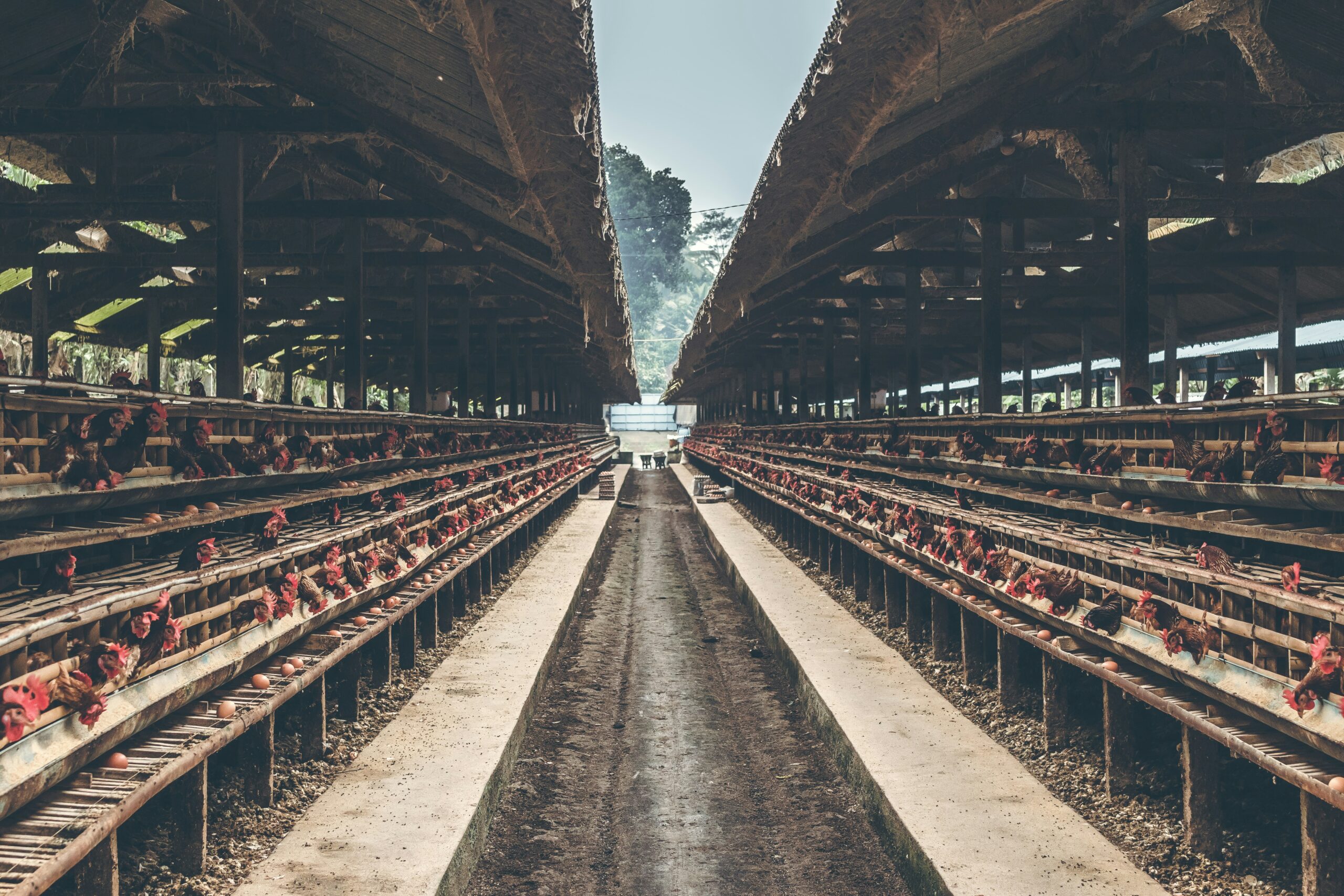
The report, drafted by the Fratelli d’Italia MEP, Carlo Fidanza, and supported by the entire European Conservatives and Reformists (ECR) group, calls on the Berlaymont to make greater efforts to support the livestock sector in the face of energy costs, a lack of generational renewal and livestock losses due to disease and insufficient vaccines. And during the debate in the plenary chamber last week, the rapporteur had adopted a cautious line, preferring to lash out at unspecified external actors: “We reject ideological approaches that ignore the reality on the ground,” he declared, adding that “the demonisation of this livestock sector is absolutely to be rejected.” However, the text, set out in black and white, explicitly requested that the Commission halt funding to NGOs accused of “targeted lobbying”.
The approved text states that Parliament “stresses the need for greater transparency in the allocation and use of EU funds allocated to non-governmental organisations (NGOs) in order to prevent any risk of misuse or undue influence on EU policies” and “calls on the Commission to establish a public register specifying the amount and purpose of funding received by NGOs.” Furthermore, Parliament expresses “concern regarding the allocation of funds, including through the Programme for the Environment and Climate Action (LIFE), to NGOs that engage in lobbying activities with EU institutions, particularly on animal welfare, potentially violating the principles of the separation of powers and sincere cooperation; calls on the Commission to cease funding NGOs that engage in targeted lobbying and promote a misleading, militant, and ideological image of livestock farming in Europe.” To this end, “calls on the Commission to ensure that all beneficiaries of consolidated funds make public their meetings with representatives of the EU institutions when they aim to influence EU policies.”
In this context, the non-profit organisation points out that “transparency is a fundamental principle of democratic governance” and that “civil society organisations already operate under strict rules: financial audits, reporting obligations and transparency requirements to which many other actors in Brussels are not subject to the same extent.” It points out that “calling for greater scrutiny of a particular group implies that there is already something to scrutinise” and that this “raises doubts.” Therefore, “over time, that doubt hardens into a narrative: that civil society is somehow less legitimate, less accountable, or more suspect than others involved in shaping EU policy.”
In fact, for the NGO, this represents “a broader shift” from viewing “civil society as a partner” to treating it as “an object of suspicion.” Whereas “civil society does not merely represent organised interests, but gives a voice to people who would otherwise have no say. It provides expertise, performs oversight functions, and offers concrete perspectives that strengthen policy outcomes.” Therefore, “undermining its credibility not only affects organisations, but weakens the entire democratic ecosystem. And when this signal comes from the European Parliament itself, the only directly elected EU body, it carries particular weight,” concludes the NGO.
English version by the Translation Service of Withub




![Da sinistra: il presidente del Consiglio europeo, Antonio Costa; il presidente dell'Ucraina, Volodymir Zelensky: la presidente della Commissione europea, Ursula von der Leyen [Bruxelles, 18 giugno 2024. Foto: European Council]](https://www.eunews.it/wp-content/uploads/2026/06/euco_ua260618-120x86.jpg)
![[foto: Saverio De Giglio/imagoeconomica]](https://www.eunews.it/wp-content/uploads/2026/10/cpt-120x86.png)