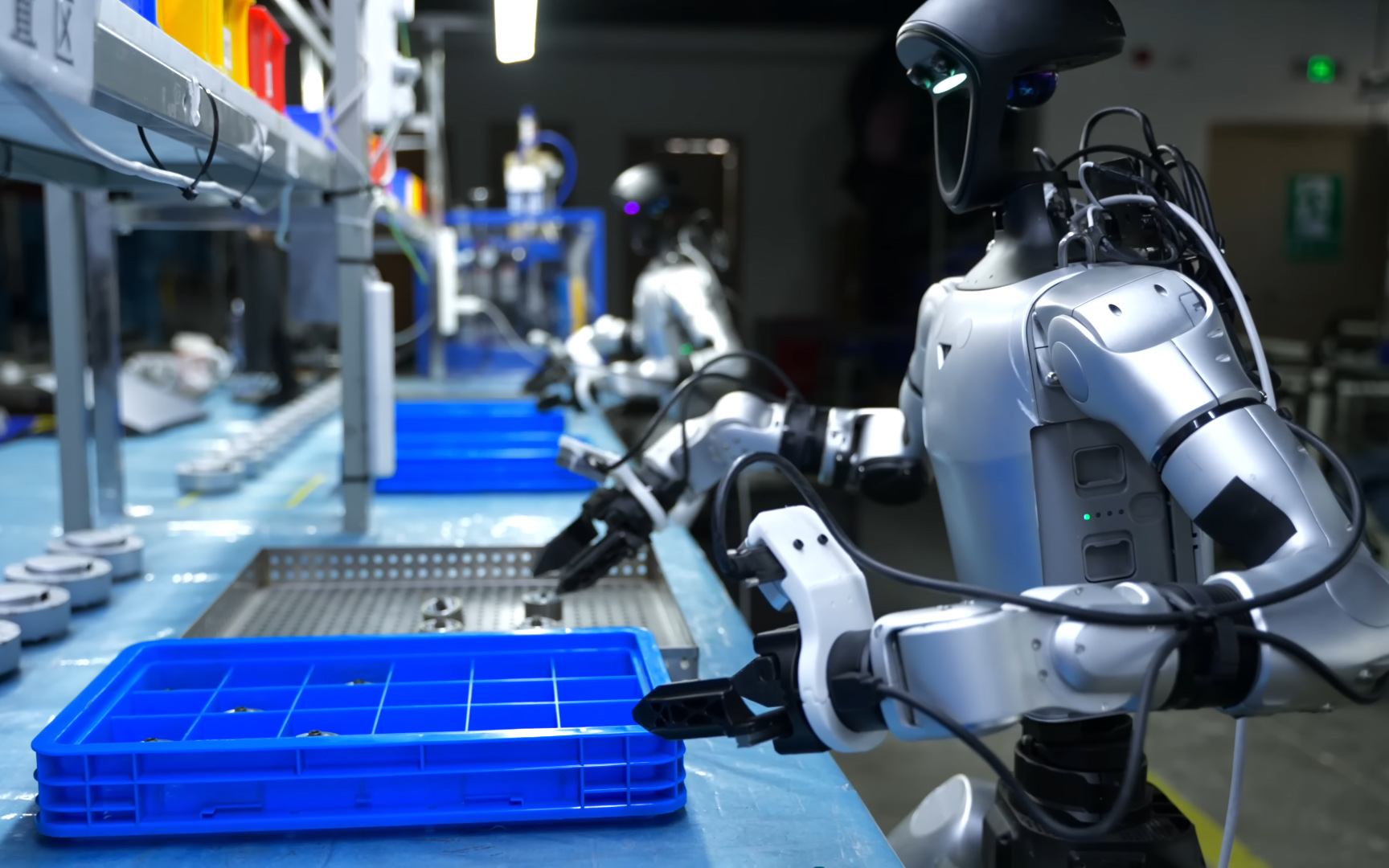
Brussels – Innovation, competitiveness, and even the twin transition: the EU has a problem with its agenda, and a rather serious one at that. As Isabel Schnabel, a member of the Executive Board of the European Central Bank, points out, “Europe risks falling behind on innovation amid low venture capital investment,” i.e., investment in high-potential sectors. She sounds this warning at the symposium on European competitiveness organised by the German Ministry of Economy, complete with a graphical illustration of the gap between Europe and the United States and China.
 Biotechnology, telecommunications, artificial intelligence, and green technology: the EU lags in every future technological category. The number of patents in these fields pales in comparison with those of the world’s leading competitors, due to investment barriers that must be removed. The EU is less well-equipped, with fewer talents, and this affects the flow of public – and even more so private – funding. In 2025, venture capital investment in new technologies amounted to 1 per cent of the US Gross Domestic Product, compared with 0.2 per cent in the European Union. The US attracts five times as much, following an upward trajectory, whilst the EU’s has remained stable over the last two years. Stable, and therefore stagnant.
The ECB is therefore issuing a fresh call to change course – and quickly, as the EU is already lagging and risks falling even further behind. The European Commission has attempted to correct the situation with a plan tailored to retain start-ups, and the Council of the EU has opened the way for reform of the Horizon research programme to promote innovation and future competitiveness. These are all useful measures and a step in the right direction. However, looking at the figures, these initiatives may not be enough.
English version by the Translation Service of Withub



![Il ministro dei Trasporti, Matteo Salvini [Bruxelles, 5 dicembre 2024. Foto: Emanuele Bonini per Eunews]](https://www.eunews.it/wp-content/uploads/2024/12/salvini241205-120x86.jpeg)