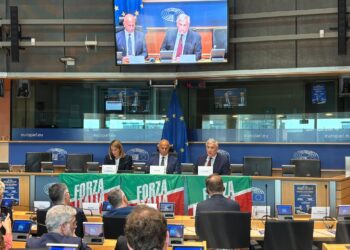
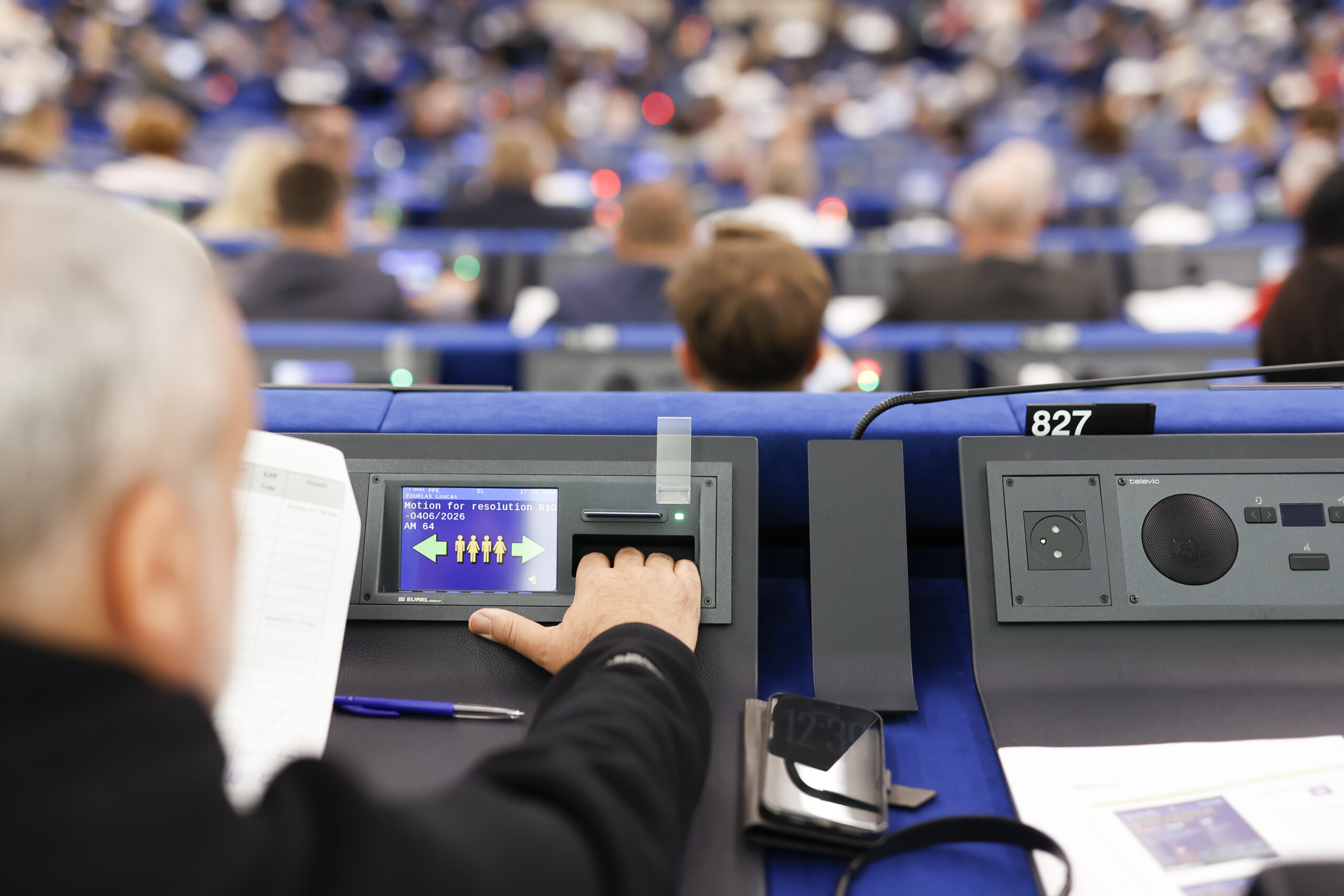
Brussels – The European Parliament’s priorities for the 2028–2034 long-term budget and those ahead of the European Council meeting on 15 October, defence and the cost of living, rising house prices and the Muslim Brotherhood network: these are some of the issues on the agenda for the European Parliament’s plenary session, which opens on Monday 5 October in Strasbourg and runs until Thursday 8. Portuguese Prime Minister Luís Montenegro will also attend the session and, on Tuesday (6 October), will address the Chamber to discuss the future of the European Union. This visit follows on from a series of similar visits during the previous parliamentary term, when the European Parliament launched the “This is Europe” debate series; since then, 15 EU heads of state or government have taken part in these debates.
On Wednesday (7 October), Parliament will debate developments in the negotiations on the next long-term budget, starting with the adoption of its demands. In its position on the Multiannual Financial Framework (MFF) for 2028–2034, adopted last April, the European Parliament called for an increase of around 10 per cent compared with the Commission’s July 2025 proposal to support key priorities such as defence and security, competitiveness, and the cohesion and agriculture policies set out in the Treaties. Today (2 October), during the press briefing ahead of the plenary session, the Socialist Group’s spokesperson, Georgina Mombo Rasero, reiterated that “we cannot do more with fewer resources.” For this reason, her group supports “the creation of new own resources, in particular those derived from taxes on major online gambling platforms and digital betting activities.” According to Rasero, the budget must “meet the EU’s needs, such as competitiveness, defence or strategic investments,” but it cannot neglect “cohesion, agricultural policy or investment in social welfare.” The spokesperson for Patriots for Europe, Alonso de Mendoza Asensi, says that “the Commission wants to speed up the process” on the budget because of the elections in France. “Everyone knows that Brussels wants to lock in the agreement before the French vote,” referring to a possible far-right victory.