
Brussels – The European Commission is set to cut funding for Erasmus, the European Union programme that has enabled millions of young people to study, undertake an internship or work in another European country, but the European Parliament intends to oppose this. The European Parliament’s Committee on Culture and Education (CULT) voted today (29 September) on a text to make the 2028–2034 Erasmus programme “simpler, more predictable and more accessible.” In particular, the document amends the European Commission’s proposal for the new Multiannual financial framework (MFF) for 2028-2034, the EU’s long-term budget for the next seven years.
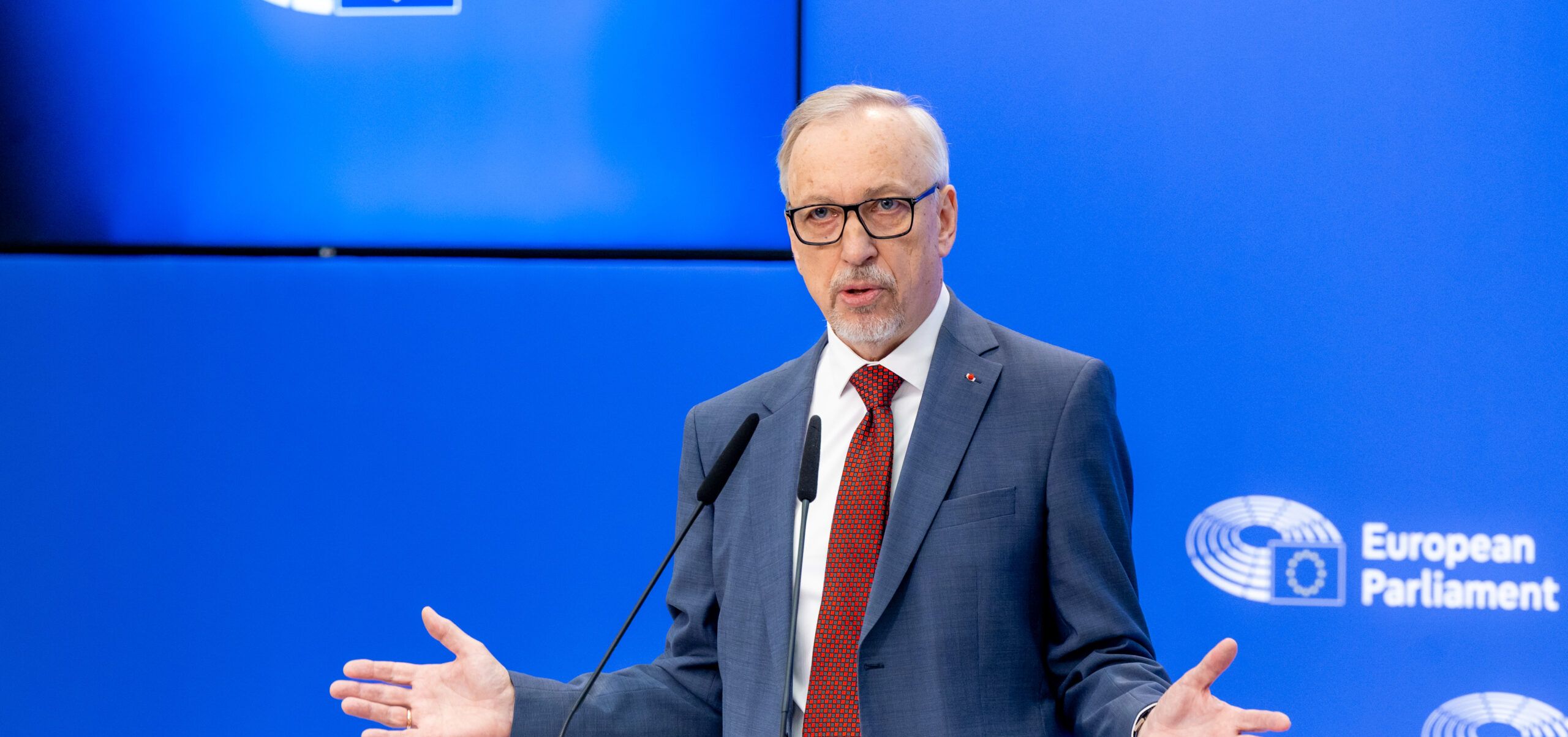
The European Parliament’s proposal is based on three key points. The first is the increase in the funds allocated to the programme to 47.39 billion euros, compared with the Commission’s initial estimate of 40.8 billion, “with a clear allocation of resources to each area of intervention.” According to the MEP from the European People’s Party and official programme rapporteur, Bogdan Zdrojewski, at a press conference, “74.6 per cent of the total amount is expected to be allocated to education and training, 15 per cent to youth and volunteering, and 4.1 per cent to sport.”
The second is “greater mobility for all”. This means adopting an approach that takes into account differences “in the living costs, housing prices and inflation.” In this regard, MEPs also called for the promotion of a programme that “is more inclusive,” in which “at least 20 per cent of Erasmus+ participants should be people with less access to career and educational opportunities.” The third element calls for “grants under the new Erasmus+ programme to respect the EU’s financial interests and values.”
In the text, MEPs stressed that “the new Erasmus+ should help to implement the upcoming EU teachers and trainers agenda and lead to policy developments which will improve teacher recruitment and retention.” For the first time, the programme should also “facilitate the mobility of athletes in grassroots sports, and not only the staff of sport clubs or organisations,” they added. MEPs, however, agreed with the Commission on the proposal to merge the current Erasmus+ programme with the European Solidarity Corps – a European Union programme that offers young people the opportunity to volunteer, work, or set up their own projects for the benefit of the community – in the next budget. In their view, “European Solidarity Corps best practices will be applied in the new Erasmus+.”
The CULT Committee’s position was approved by 24 votes in favour, 1 against, and 1 abstention. The whole Parliament will vote on it at a forthcoming plenary session. Zdrojewski stated that “realistically, the aim is to target the November session”, while “agreements on the main aspects relating to funding will be postponed until January or February.” Once the text has been approved in the plenary, negotiations with the Council of the EU can begin.
English version by the Translation Service of Withub