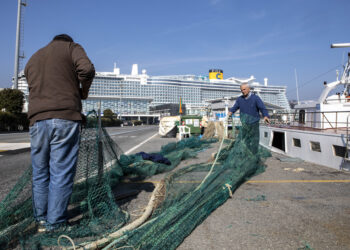
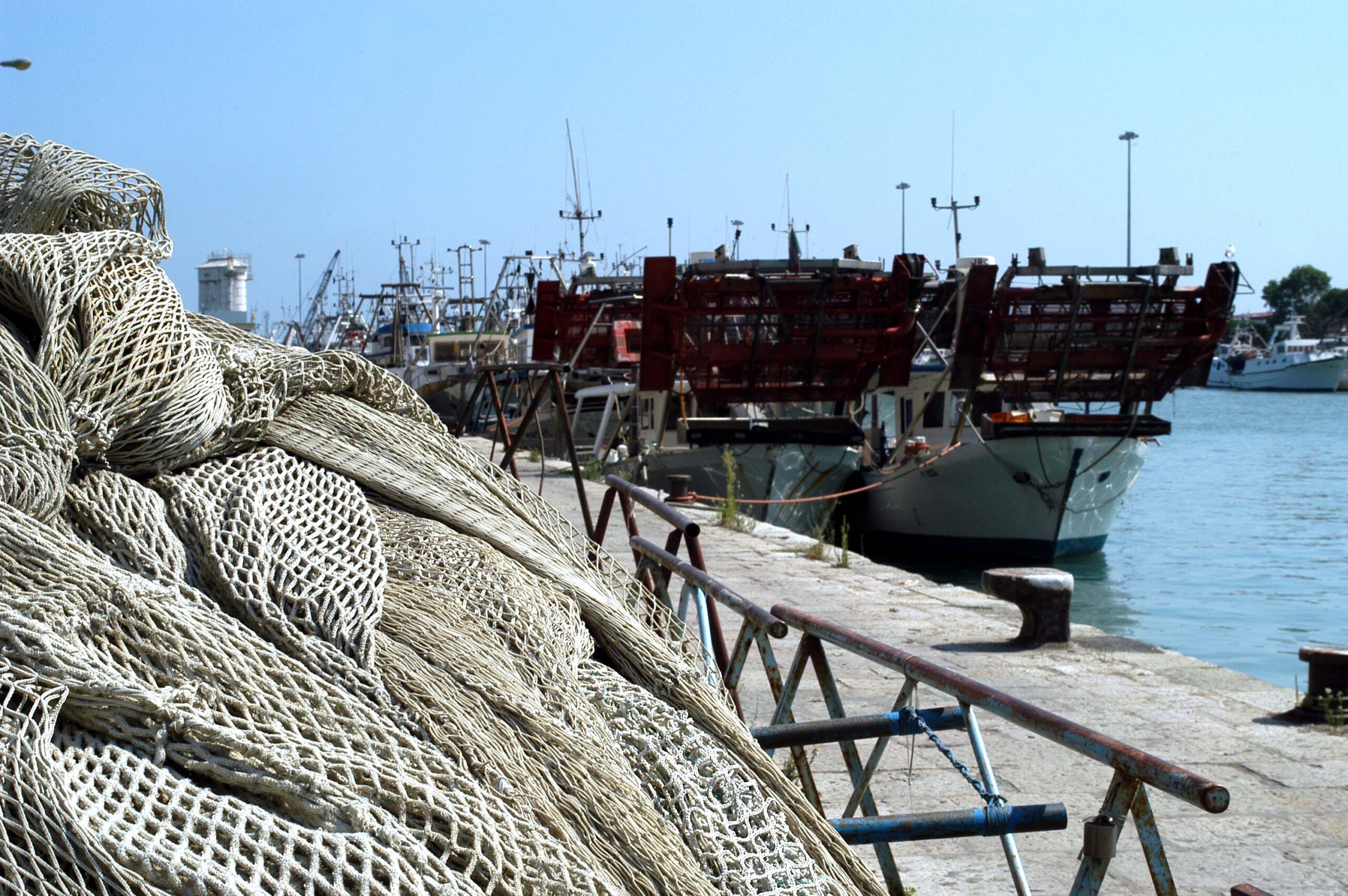
Brussels – The EU relies on imports for 70 per cent of its fish and seafood supply; rising sea temperatures are beginning to alter natural and fishing patterns; and the average age of European fishermen is increasing. The European Commission realises it faces a serious and genuine problem in the maritime sector, and is attempting to take remedial action by launching a long-term strategy. It is called Vision 2040, and marks the first time the Commission will draw up targeted legislation.
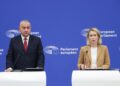
The aim, explains the Executive Vice-President responsible for Cohesion and Reforms, Raffaele Fitto, is to set out “a clear path towards a competitive, sustainable and future-proof sector.” The European Commission – he says – intends to do this “by supporting innovation, strengthening resilience, promoting equal opportunities, and protecting our natural resources.” Because in Brussels, “we want to ensure that fisheries and aquaculture continue to provide quality food, decent jobs, and long-term value for citizens across the European Union.”
A food security strategy and more
Vision 2040 aims to bring “predictability” to a sector subject to many uncertainties and too many challenges. In Brussels, they point out that “Climate change is affecting aquatic ecosystems, energy costs are rising, and competition for maritime space is intensifying.“ At the same time, low profitability in some segments of the sector, combined with an ageing fleet and workforce, makes it more difficult to attract a new generation of workers.
One area that will require attention is diplomacy and trade. “Dependence on global value chains and jointly managed fish stocks increases the EU’s exposure to geopolitical uncertainty,” notes the Commission. This situation means that promoting sustainable fisheries globally is “necessary,” making coherent and effective external action by the EU essential.
Kadis: “The European fishing industry stands at a critical juncture”
“Green” fleets and the energy transition
For the European Union, this 15-year long-term strategy translates into fleet modernisation, the energy transition and income diversification. These are the “key investment priorities” that will be pursued.
The first measures announced
To revitalise the sector and make it future-proof, the Commission has announced an EU initiative on sustainable aquaculture for next year. Furthermore, the European Commission intends to strengthen cooperation with the European Investment Bank (EIB) and with national promotional agencies to offer tailor-made financing solutions. “Private capital will be essential to complement public support, broaden the scope and accelerate the transition towards a more sustainable, competitive, and resilient fisheries,” emphasises Costas Kadis, Commissioner for Fisheries, who has announced an “Omnibus” package for the sector.
“We will be working on a legislative proposal for simplified and consistent legislation for the aquaculture sector,” the Fisheries Commissioner announced at a press conference, without, however, specifying when this proposal would be tabled. “Our target is 2040, but our decisions start now,” he simply emphasised.
This strategy also includes the Commission’s proposal for the EU’s future Multiannual Financial Framework (MFF), which allocates at least two billion euros under the National and Regional Partnership Plans (NRPPs) to areas related to the Common Fisheries Policy (CFP), including sustainable fisheries and aquaculture, as well as the conservation and restoration of the marine environment.