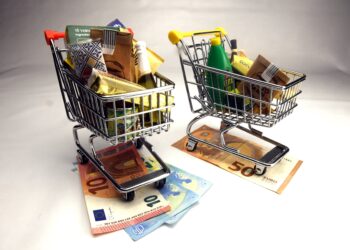
Brussels – Bread, pasta, sweets, as well as meat, cheese and mozzarella. A warning to families: the shopping basket is set to become even more expensive. This is the warning from the European Central Bank, which for some time has focused on food inflation. The latest analysis on this topic highlights that in the wake of the war in Iran, the inflation data show that “the rate at which food prices are rising has slowed considerably, although the level of food prices has still gone up overall.”
There is little cause for celebration, however. According to ECB experts, “several upstream indicators suggest that pipeline pressures on food inflation are building again.” Specifically, “a double shock from energy and extreme weather could reignite food price pressures.”
Regarding the first shock, “higher energy costs also have a significant indirect impact on food production”, the Eurotower noted. It added that price rises spread “gradually” through supply chains, affecting the costs of transport, fertilisers, packaging and processing. These indirect effects may take “several months” to be reflected in consumer prices. It therefore appears that the risk of a rise in the cost of the shopping basket in 2027, as the EU institution itself already warned, is materialising.
Bread, pasta, sweets, meat and cheese are increasingly becoming a luxury
Due to high energy prices, the ECB warns, “a significant impact is expected on energy-intensive farming.” This includes cereals such as wheat, maize, and barley, as well as downstream products such as bread, pasta, and other bakery goods. Transmission “will extend further to animal feed”, with higher prices for grains eventually feeding through to dairy products and meat.
However, not all energy price rises are the same: analysts at the European Central Bank estimate that higher gas prices may increase production costs for crops such as cereals, oilseeds, fresh vegetables and potatoes, while also driving up heating costs for greenhouse-grown produce.
Rises in oil prices, on the other hand, affect food prices through transport and other indirect costs. Prices that do not rise at source therefore risk becoming more expensive further down the supply chain, where the operational costs of distribution are passed on.
Price rises also for vegetables
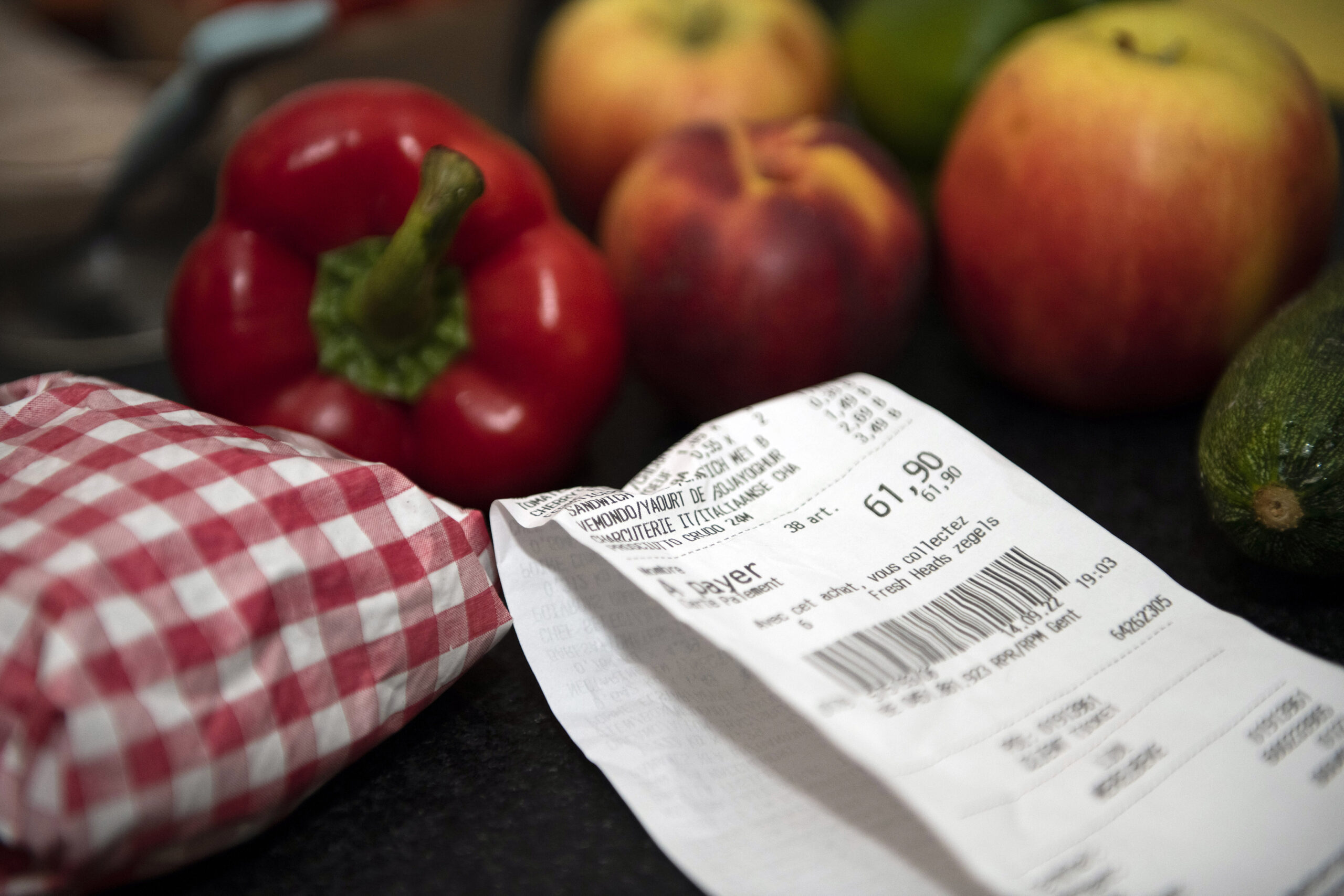
The rise in food prices is not sparing even fresh produce. In September, according to the ECB, food inflation rose to 1.3 per cent (from 1.1 per cent in August), and this figure “was heavily driven by weather-sensitive vegetable prices”, likely reflecting the extreme heat and drought that characterised the summer of 2026 and European agricultural production.
An expensive shopping basket in July 2027
According to the ECB, from now on food inflation alone is set to rise until the third quarter of 2027, peaking at 3.4 per cent. The period between July and September next year is therefore marked on the calendar as the time when households will feel the pinch, with prices “only falling afterwards”. Households have been warned.
English version by the Translation Service of Withub