from our correspondent in Strasbourg – Italy and Spain have ended their dispute over border controls and are preparing to restore free movement by air and sea between the two countries. A “cordial telephone conversation” between the Italian Minister of the Interior, Matteo Piantedosi, and his Spanish counterpart, Fernando Grande-Marlaska, sealed the easing of tensions, according to a press release from the Italian Ministry of the Interior issued today (22 October). The two governments agreed not to extend their respective temporary suspensions of the Schengen rules further, after assessing the situation.
The decision will be accompanied by a strengthening of information exchange among authorities to ensure the security of the common European area, according to the Italian statement. The Spanish Ministry of the Interior confirmed that Madrid will not extend the checks introduced last August on flights and ferry services from Italy in response to Rome’s measures. The Spanish extension was due to expire today, 22 October.
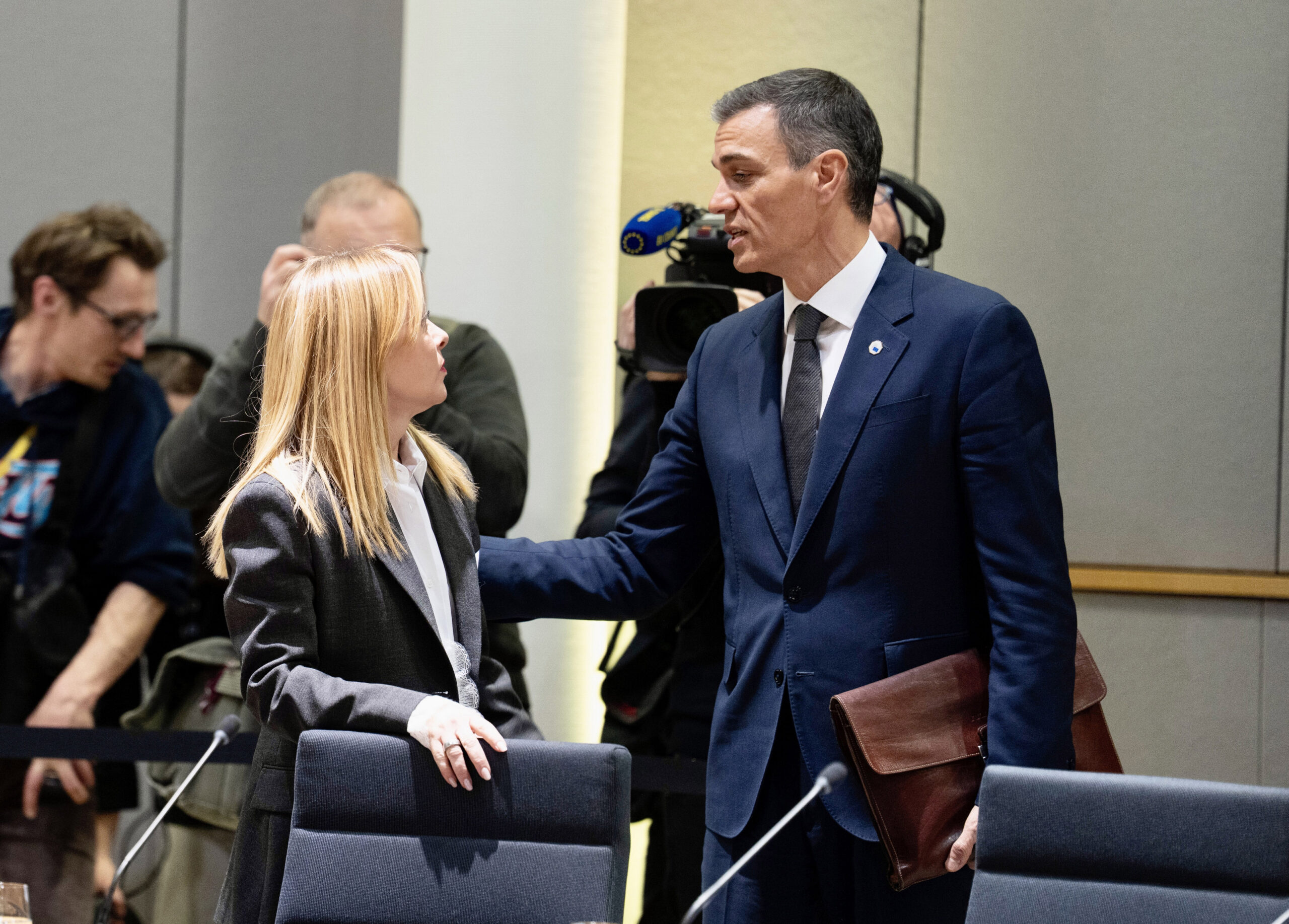
The agreement had been drawn up in Brussels, on the sidelines of the 15-16 October European Council, during a meeting between the Prime Minister, Giorgia Meloni, and the Spanish Prime Minister, Pedro Sánchez. The two leaders had agreed to work towards a joint solution, tasking their respective Interior Ministries with assessing alternative means of cooperation on security and migration flow management. On that occasion, Rome had decided to limit the latest extension of border controls to just seven days, to facilitate coordination with Madrid.
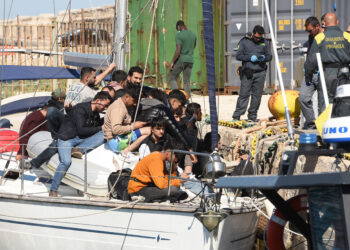
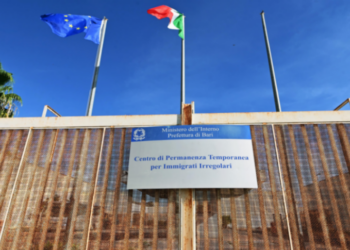
The crisis erupted between 30 and 31 July, when between 70,000 and 80,000 people entered Ceuta, the Spanish exclave in North Africa, from Morocco. On 1 August, Italy reinstated temporary checks on passengers arriving from Spain by air and sea, justifying the decision on the grounds of risks to internal security and the possibility of terrorist infiltration within the migrant flows.
Madrid had responded on 8 August with similar checks on travellers arriving from Italy, justifying the measure on the grounds of migratory pressure and the principle of reciprocity. This standoff had thus transformed a migration crisis into a diplomatic dispute between European Union member states, with subsequent extensions of the restrictions on both sides. The measures concerned air and sea links.
The return to normality, therefore, entails implementing the Schengen rules, which allow free movement without systematic checks at internal borders. However, the Schengen Borders Code allows Member States to reintroduce temporary checks in the event of serious threats to public order or internal security, as an exceptional and proportionate measure. By choosing not to grant further extensions, Rome and Madrid now aim to address shared concerns through greater cooperation, without prolonging the suspension of normal travel arrangements.
English version by the Translation Service of Withub