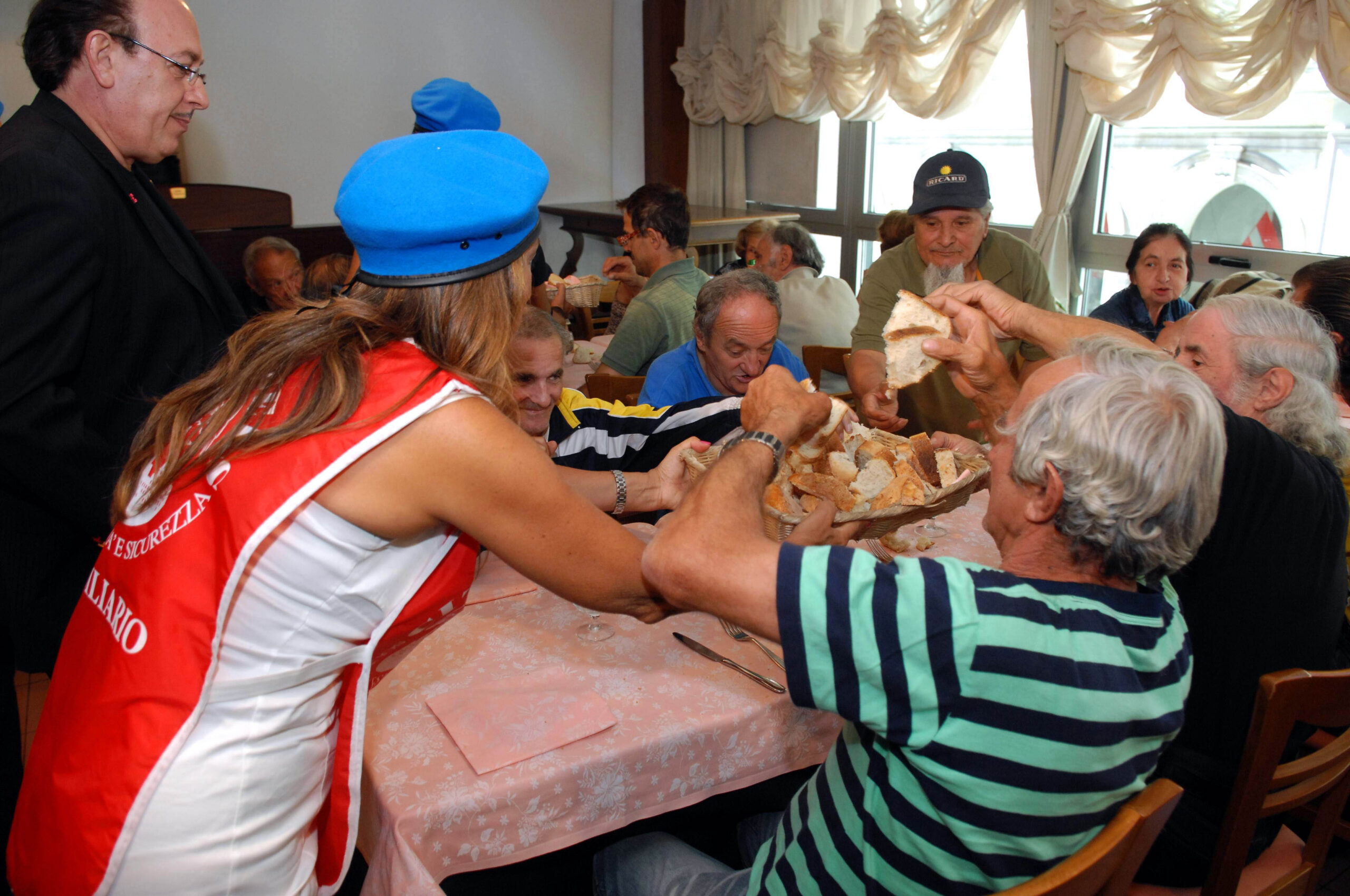
Homelessness is the most visible face of poverty in Europe, and also the most stubborn. More than one million people across the European Union have no home, and many more live under a roof that offers neither safety nor dignity. Families spend half of their income on rent, young people postpone adult life because they cannot leave their parents’ flat, and workers with a full-time job sleep in their cars. This is no longer a problem at the margins of our societies. It has moved to their centre.
On 19 October the Council of the European Union adopted a recommendation on fighting housing exclusion, including homelessness. Its importance lies less in any single measure than in what it acknowledges. For years housing was treated as a purely national matter, and homelessness as a problem for charities and emergency services. Member States now accept that it is a common European concern, that it can be prevented, and that prevention starts long before someone ends up on the street, with the household that falls behind on rent or the young person leaving care with nowhere to go. That shift in perspective is the real achievement, and it deserves to be recognised.
The European Economic and Social Committee has argued for exactly this direction.
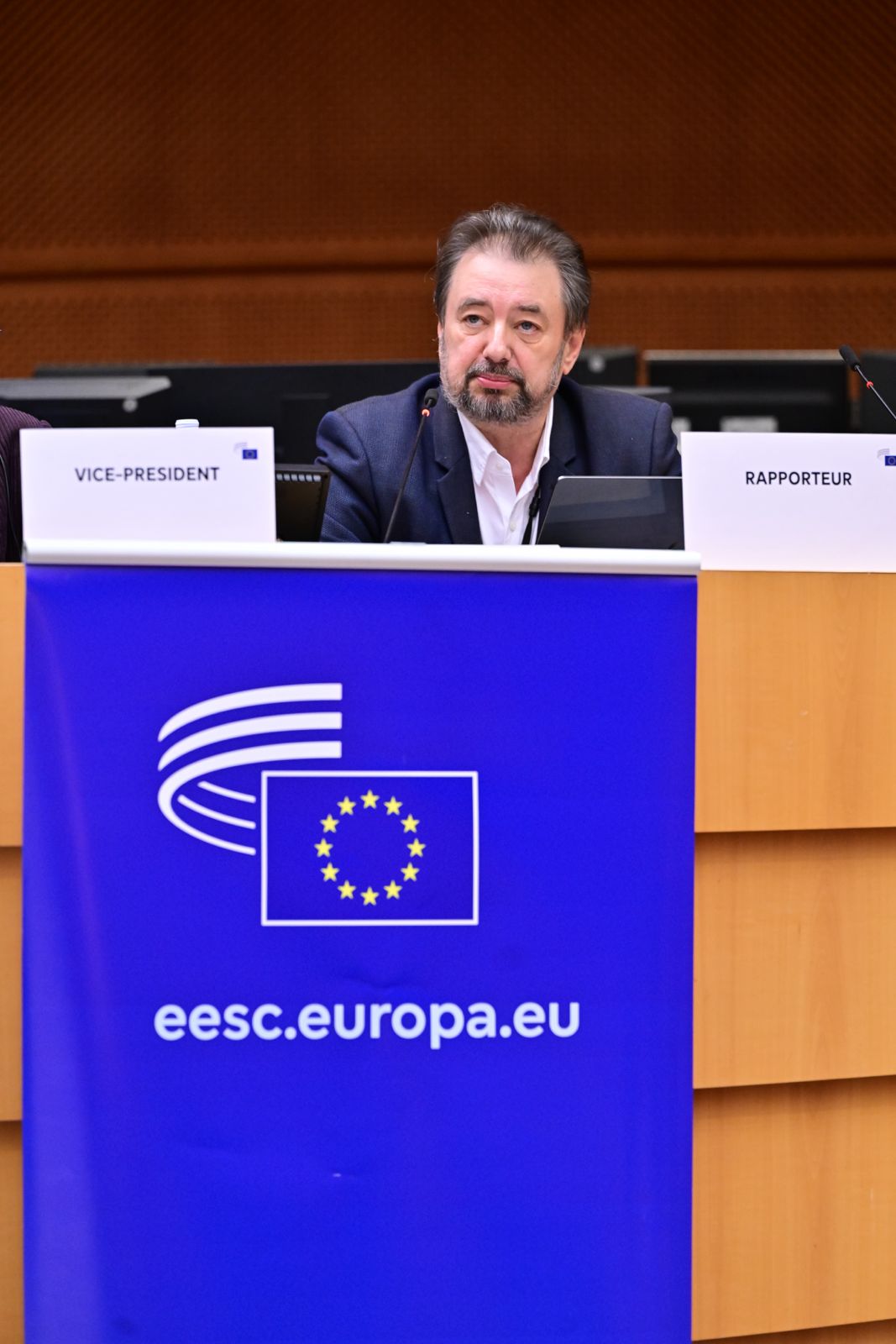
In the opinion I prepared as rapporteur, “Fighting housing exclusion and homelessness” we defended a housing-led approach, centred on the person rather than on the emergency. Shelters save lives on a winter night, but they do not end homelessness. A stable home, followed by the support people need to keep it, does. The experience of the cities that have chosen this path is consistent, and it is encouraging that the Council now endorses it.
Yet a recommendation is only as strong as the will to implement it, and three questions remain open.
The first concerns rights. Housing is a human right, recognised in international law and in the European Pillar of Social Rights. A policy that treats it only as a matter of good management risks being abandoned at the first budgetary difficulty. Anchoring national strategies in fundamental rights is not a rhetorical gesture. It is what keeps them binding on governments when the political cycle changes.
The second concerns the market. Over the past decade house prices in the Union rose by more than sixty percent, far faster than incomes, and in some Member States they more than tripled. At the same time, a growing number of dwellings stand empty or underused because they were bought as investments rather than as homes. When housing becomes above all a financial asset, those with the least are the first to be pushed out. Public authorities cannot withdraw from this field and wait for the market to correct itself. Social housing, whether public, cooperative or non-profit, must be the backbone of any serious strategy, and the better use of existing stock that the Council rightly mentions will require courage in fiscal and urban policy.
The third concerns work. Homelessness is no longer only the fate of the unemployed. In-work poverty now pushes people out of their homes, which means that quality jobs and adequate wages belong to housing policy as much as construction does.
None of this will work without those who meet homelessness every day. Social partners, housing associations, NGOs, local authorities and people who have themselves lived without a home must be involved in designing, monitoring and evaluating national strategies, not consulted once and then forgotten. The five-year reporting cycle foreseen by the Council is long. Civil society can help shorten the distance between commitment and result.
Europe has just set itself a common objective. The task now is to make sure that a recommendation adopted in Brussels becomes a key handed over in Bucharest, Lisbon or Dublin. That is how we will know whether the fight against poverty is serious.
Cristian Pirvulescu is a member of the European Economic and Social Committee
English version by the Translation Service of Withub