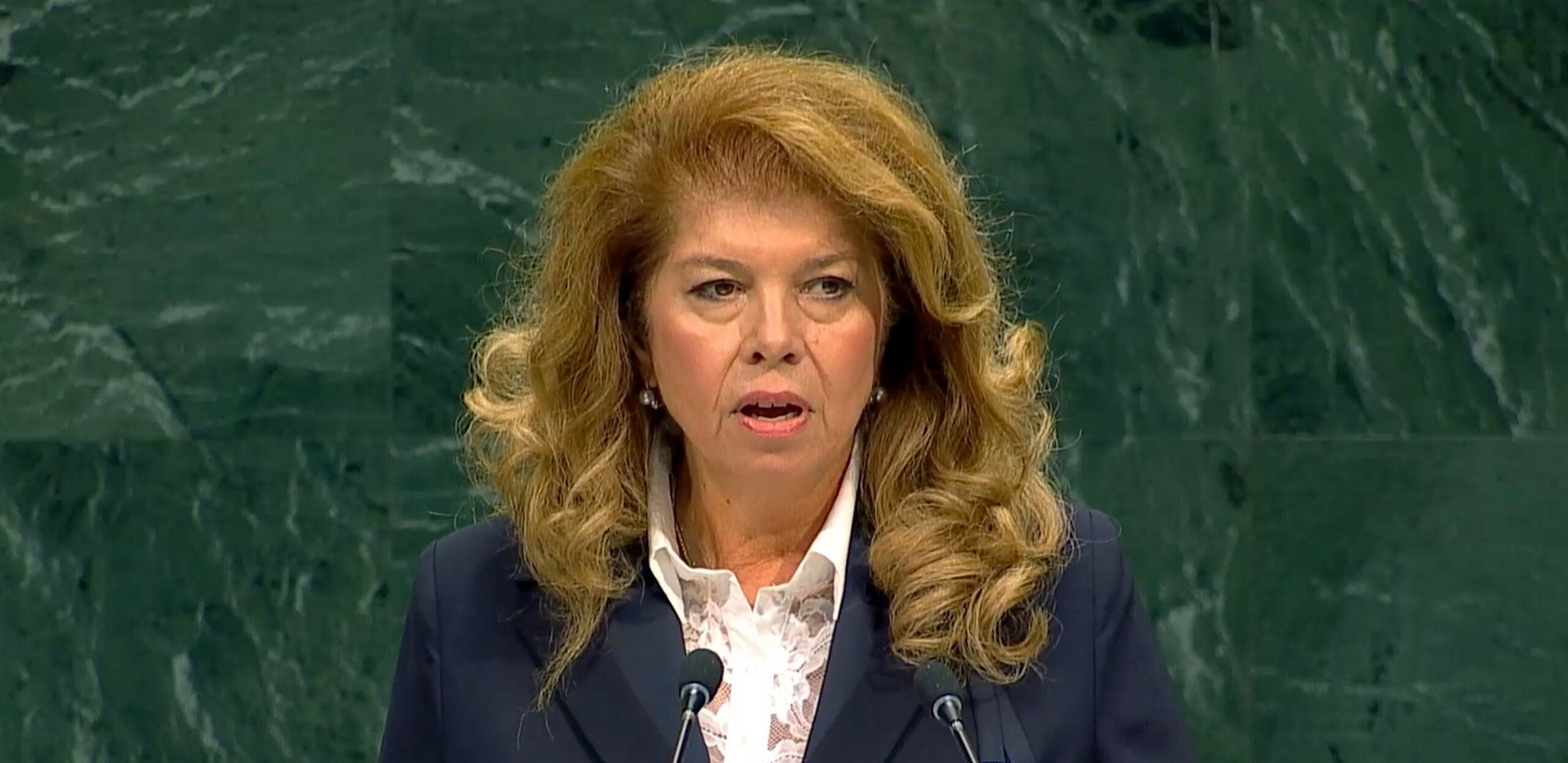
Brussels – Iliana Iotova has won the election in Bulgaria, becoming the first woman to hold the office of President. The results of the run-off were announced today (2 November) by the Central Electoral Commission. A former journalist and MEP, Iotova is a close associate of Bulgaria’s Prime Minister, Rumen Radev, for whom she also served as deputy for nine years.
According to reports from the main international news agencies, with 99.95 per cent of the district’s vote tallies counted — that is, the official records and reports drawn up by the Regional Electoral Commissions, which act as a vital link in the vote-counting process, bridging the gap between the individual local polling stations and the Central Electoral Commission (CIK) – the former MEP secured 57.58 per cent of the vote, while the former interim prime minister (and her opponent), Andrey Gyurov, secured 39.47 per cent.
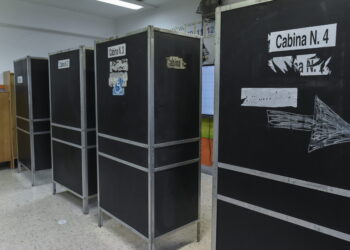
On 25 October, Bulgarian citizens were called to the polls for the first round of the presidential election. As no candidate secured a majority, the second round was held yesterday (1 November). Yesterday’s turnout stood at 27 per cent, four percentage points higher than in the first round on 25 October, but still at an all-time low. The former vice-president officially stood as an independent candidate, but was backed by Radev’s party, Progressive Bulgaria, and the Bulgarian Socialist Party. Her election campaign was characterised by opposition to further arms supplies to Ukraine and a call for peace through diplomacy.
The elections in Bulgaria took place at a time of escalating Russian attacks on merchant and civilian vessels in the Black Sea. Some of these vessels were struck or sunk just off the country’s coast. During an interview with the television channel NOVA TV, Iotova commented on the conclusions of the latest European Council that Russia was behind the attacks on four ships in the Black Sea, stating that “Bulgaria would not hesitate to take appropriate diplomatic measures if the evidence were to confirm this, including issuing a diplomatic note or recalling its ambassador for consultations.” Furthermore, “there are various risks and threats to security in the Black Sea, but we cannot speak of a threat to national security.” She added that her “greatest concern is that intensified consultations take place at all levels so that a moratorium on hostilities in the Black Sea can be achieved.” By contrast, her opponent, Gjurov, believes that the Russian leadership must first and foremost put an end to the war it has launched against Ukraine, because only then will it be possible to sit down at the negotiating table.
The President of the European Commission, Ursula von der Leyen, congratulated the winner on her social media channels, stating that “security and defence, our competitiveness and energy independence; I look forward to continuing our joint work”, for “a strong Bulgaria in a strong Europe.” The President of the European Parliament, Roberta Metsola, also congratulated her: “Following the accession to Schengen and the eurozone, I expect Bulgaria to continue strengthening its role in Europe, to contribute to overcoming the common challenges in the field of security, and to actively participate in building our shared European future,” she said. The chair of the Socialist Group in the European Parliament, Iratxe García Pérez, praised the result, describing it as “a great victory for the socialist family.”
Bulgaria is a parliamentary republic: the powers of the head of state are limited and largely ceremonial, but the president is nevertheless elected by universal suffrage. The president’s term of office lasts five years and may be renewed only once. The winner is due to be sworn in in January 2027.
English version by the Translation Service of Withub