Brussels – The mesh of repression in Serbia is being tightened. The pro-Russian President Aleksandar Vučić intends to use an iron fist against the demonstrators who have been protesting on the streets of the Balkan country’s main cities for five days. The escalation of violence could mark a turning point in the anti-government protest, but for now, the EU has nothing to say about it.
“Arrest Vučić” was one of the many signs that appeared on placards dotting the plazas of half of Serbia over the weekend, in what observers describe as a recurrence of the clash between protesters and the government, which has been going on continuously since last autumn.
Over the past five days, the protests have turned violent across the country, especially in Belgrade, with heated clashes between some pro-government factions and protesters, some of whom set fire to the offices of the SNS, the party of President Aleksandar Vučić, in power since 2012, and their coalition allies. The security forces were accused of excessive use of force to quell the riots.
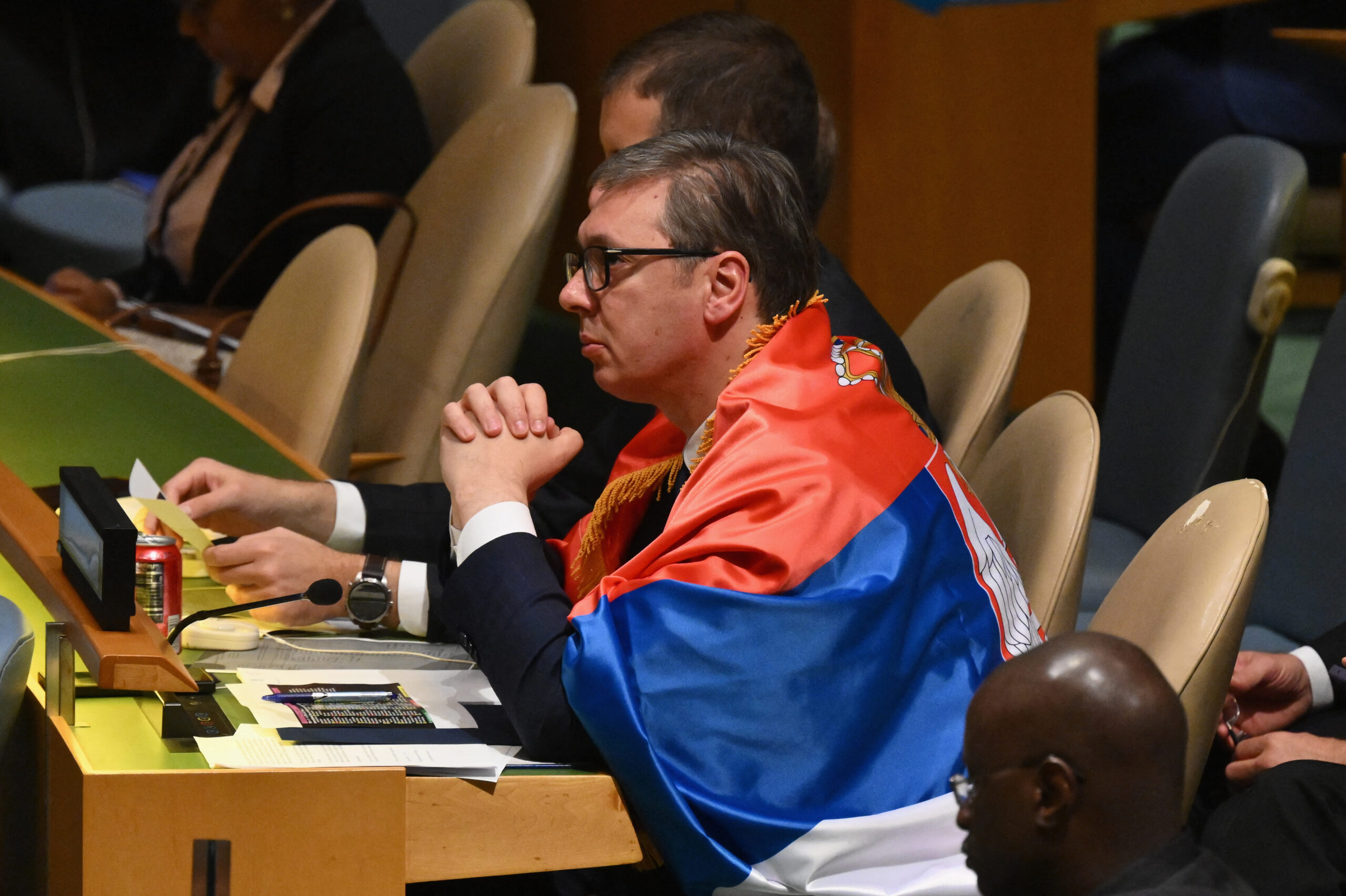
But the head of state has no intention of relinquishing his grip on power and, indeed, is promising another crackdown on dissent. “If we don’t put in place tougher measures, it is only a matter of days before they (the protesters, ed) kill someone,” he declared yesterday (17 August), branding the protests as “pure terrorism” orchestrated by phantom outside forces who allegedly hatched a plot to unseat him. “You will witness the determination of the Serbian state,” the authoritarian leader threatened, warning that “we will use all means at our disposal to restore peace and order in the country.”
The past few days have been the most serious escalation of the oceanic protests, considered the largest ones, since the implosion of Yugoslavia, and remaining largely peaceful until now, against the rampant corruption that erupted when the collapse of a bus shelter in Novi Sad last November killed fifteen people. Led mainly by students, the popular movement has never stopped contesting the leadership of Vučić, who responded with repression.
Repression that, so far, hasn’t seemed to bother those in charge in Brussels. In recent months, both the President of the European Council, António Costa, and the High Representative Kaja Kallas have visited Belgrade to reiterate the EU’s commitment to Serbia’s accession, turning a blind eye to the grave human rights violations, as well as Vučić’s embarrassing closeness to Russian President Vladimir Putin.
English version by the Translation Service of Withub