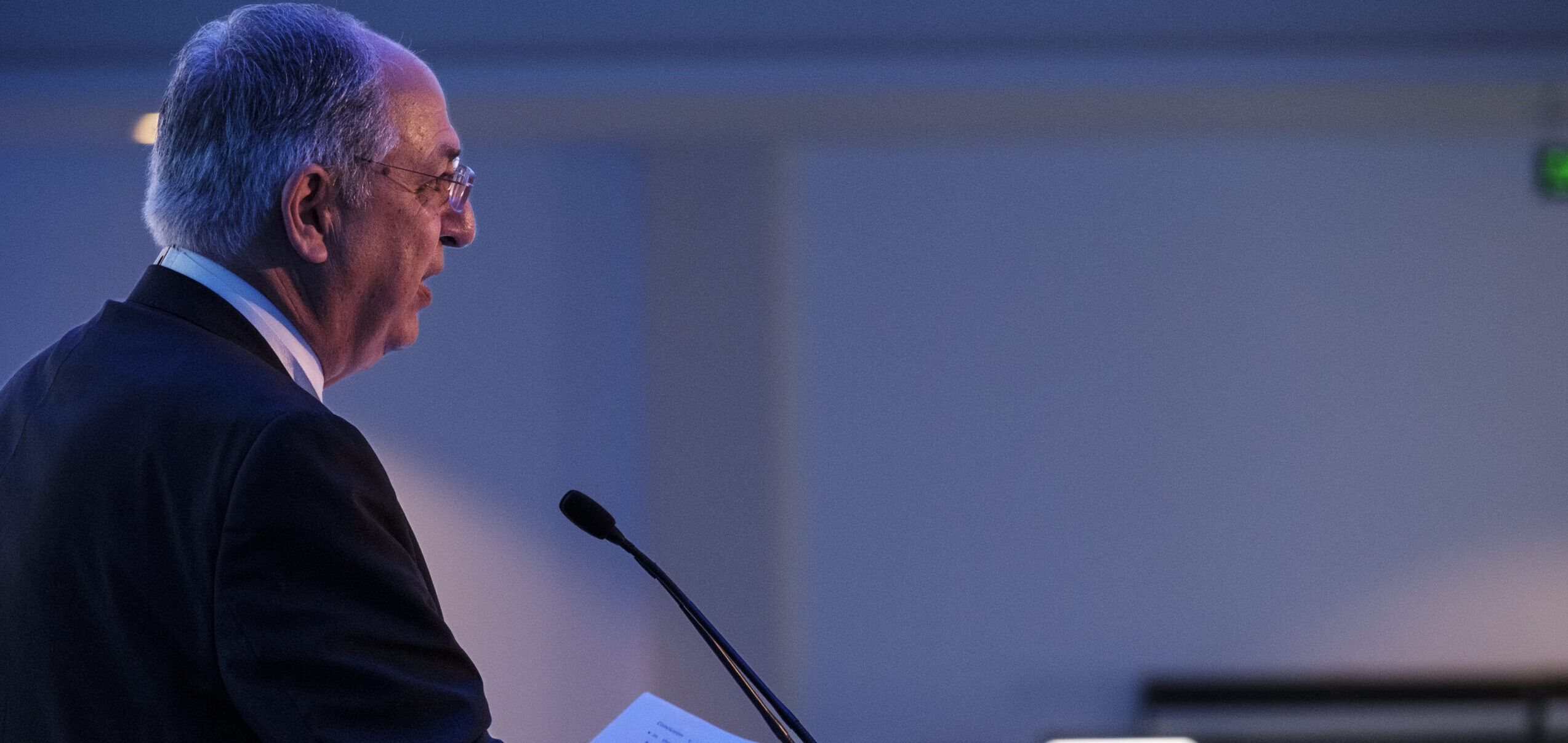
Brussels – The European fisheries sector is at “a critical juncture” and, despite “real progress since 2013” and “more stocks are being fished sustainably,” the Commissioner believes “we are not there yet.” The alarm was sounded at yesterday’s (22 June) Agriculture and Fisheries Council in Luxembourg by the European Commissioner for Fisheries and the Oceans, Costa Kadis.
The Common Fisheries Policy, sustainability, and the Regulation on the conditions for EU support for fisheries, aquaculture, and maritime affairs for the period 2028–2034 were the topics discussed and covered at the meeting, during which the European Commission presented its annual communication on the state of the Common Fisheries Policy (CFP) and the guidelines for 2027. With the launch of the annual process for setting quotas and total allowable catches (TACs) – the maximum quantities of specific fish stocks that may be caught – the fisheries ministers of the Member States assessed the Commission’s proposals and outlined their national priorities for the coming year. “Ministers raised the issues that matter most to them. Predictability and stability. Including through multiannual cash limits. Simplification, fleet modernisation, and decarbonisation. Generational renewal and the future of aquaculture,” Kadis said in a press conference at the end of the meeting, stressing that the Commission shares these concerns.
With regard to sustainable fisheries in the EU, the conclusions of the Agrifish Council highlighted “continued progress towards sustainable fisheries, with fishing pressure declining in many sea basins and more fish stocks being managed at sustainable levels.” However, Kadis presented a more negative picture: “The European fisheries sector is at a critical juncture” and despite “real progress since 2013” and “more stocks are being fished sustainably,” the Commissioner believes “we are not there yet.” Among the challenges highlighted are “the slow recovery of certain stocks, particularly in the Baltic Sea, the Mediterranean, and the Black Sea, and the impacts of climate change, environmental degradation, and market volatility”. The Commission has therefore emphasised “the need to continue basing fishing opportunities on the best available scientific advice, while supporting the sector’s resilience, competitiveness and long-term profitability.” Other issues raised during the meeting included “stock recovery, fleet capacity, the implementation of the landing obligation, the energy transition, and the socio-economic outlook for fisheries in the EU”.
In addition to sustainable fishing, the ministers exchanged views on the evaluation of the regulation on the Common Fisheries Policy (CFP), the EU regulatory framework which aims to ensure that fishing and aquaculture activities are managed in an environmentally sustainable manner, to help fishing communities enjoy a fair standard of living, and to provide a healthy source of food at reasonable prices. The ministers discussed how to ensure that the CFP “delivers effectively and in a balanced way across its environmental, economic and social objectives improving the practical implementation and workability of the policy” and “remains sufficiently adaptable to future challenges and evolving realities.”
The Cypriot Presidency of the Council of the EU also provided an update on the status of the regulation setting out the conditions for EU support for fisheries, aquaculture, and maritime policy for the period 2028–2034. The proposed regulation forms part of the next Multiannual Financial Framework (MFF) and sets out in detail the conditions for EU support for the common fisheries policy and related sectors. In striking a compromise between EU countries, the Cypriot Presidency “addressed member states’ key concerns by strengthening rules on support for the CFP, highlighting support to aquaculture, and ensuring continued funding for fisheries control and data collection.” This also includes “a doubled ring-fenced CFP allocation of 4 billion,” said the Cypriot Minister for Agriculture and Rural Development, Maria Panayiotou. Yesterday’s discussions also highlighted the need for further consideration of EU support for investment in fishing vessels, particularly regarding decarbonisation.
English version by the Translation Service of Withub



![Il ministro dei Trasporti, Matteo Salvini [Bruxelles, 5 dicembre 2024. Foto: Emanuele Bonini per Eunews]](https://www.eunews.it/wp-content/uploads/2024/12/salvini241205-120x86.jpeg)