Brussels – Since 21 June, over 1,300 deaths linked to high temperatures have been recorded in Europe. The alarm was raised on the social media platform X by Tedros Adhanom Ghebreyesus, Director-General of the World Health Organisation (WHO). The heatwave currently affecting Europe is one of the most intense in recent years, with record temperatures in several countries.
Europe is the fastest-warming continent on Earth, heating at twice the global average. Right now 150 million people are living under extreme heat, hundreds have died, schools are shut, grids are buckling.
Driven by climate change and global warming, the phenomenon of the…
— Tedros Adhanom Ghebreyesus (@DrTedros) 28 June 2026
“Europe is the fastest-warming continent on Earth,” wrote the WHO Director-General, explaining that “heat stress is often referred to as the ‘silent killer’ and European homes, workplaces, and schools were not designed to withstand these temperatures.” For this reason, the Organisation is “working with its Member States and partners to tackle the health threats posed by extreme heat,” focusing “on preparedness, prevention, and strengthening the response capacity of health systems.”
In particular, Adhanom Ghebreyesus stated, “we are encouraging European countries to implement health action plans in response to heatwaves.” Today (29 June), during a press briefing, European Commission spokespeople described the heatwave as “virtually unprecedented.” They added that events such as this serve as a reminder of “the importance of our climate policy, the energy transition, and all the policies we have put in place, particularly in terms of the transition away from fossil fuels.”
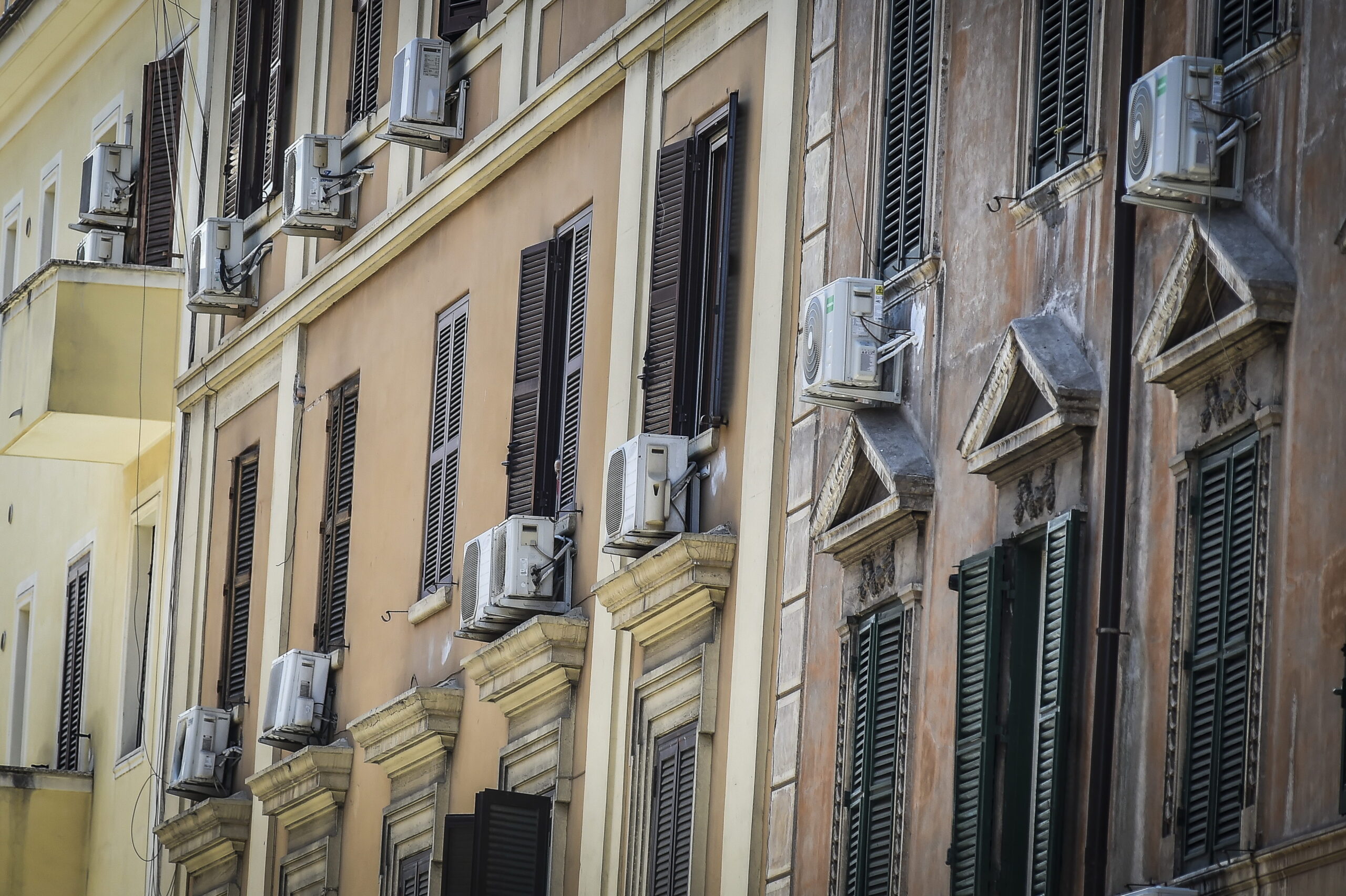
The heatwave has also reignited the debate on the use of air conditioning. According to an analysis by the World Resources Institute (WRI), only 20 per cent of European buildings have air conditioning. As temperatures rise, however, the demand for cooling is set to grow rapidly, posing a dilemma: how can we protect people’s health without further fuelling energy consumption and emissions?
The issue was also raised at the briefing at the Berlaymont Building. A journalist asked whether Brussels believed that “the time had come to take a stance on air conditioning,” noting that “after the hell we went through last week,” many European citizens were wondering whether buying an air-conditioner was now necessary “to survive the new reality of climate change.”
The Commission has refrained from taking a stance. A spokesperson explained that the European Commission “has no particular position”, but is addressing the issue as part of its policies on the energy-efficient refurbishment of buildings. She pointed out that most European homes do not have cooling systems because the building stock is largely outdated and designed for a different climate, while European policies on heating and cooling support refurbishments with the aim of improving energy efficiency and climate resilience.
English version by the Translation Service of WithubThe Commission added that it is not up to Brussels to “tell citizens what they should or should not do” in their own homes. The EU’s aim, it explained, is rather to ensure that appliances are “as efficient as possible” through the Ecodesign Regulation, while decisions on the installation of air-conditioning systems remain the responsibility of Member States and consumers. It also announced that an action plan on electrification will be presented in the coming weeks, which will also address the issue of heating and cooling systems and their impact on the electricity grid.


![[Foto: Unsplash]](https://www.eunews.it/wp-content/uploads/2026/06/immo-wegmann-V2AMRkAUCnA-unsplash-350x250.jpg)