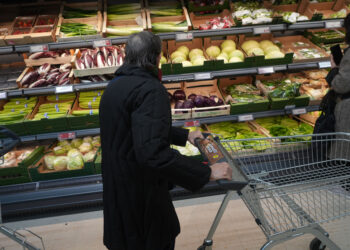
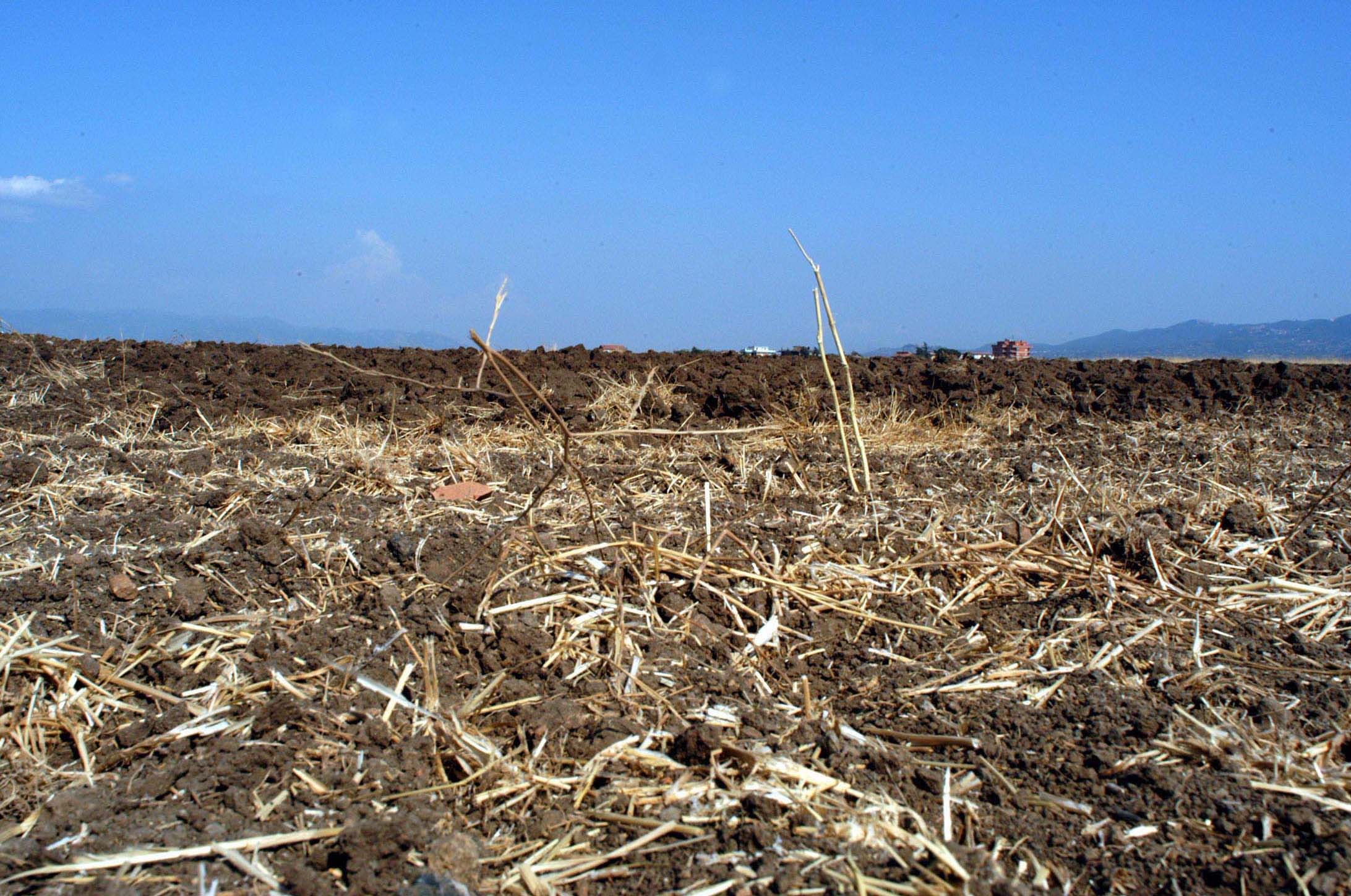
Brussels – The heat is now becoming a serious concern. The high temperatures gripping Europe, combined with drought caused by the lack of rainfall, are putting even more pressure on the agricultural sector, which was already strained before this difficult summer season. In the background lies the fear of risks to crops and yields. In other words: production could drop sharply — and prices could rise just as sharply. The alarm is not coming from farmers’ organisations, which are always quick to cry hardship and demand support measures and tailor‑made policies. The warning is being raised first and foremost by the FAO, the UN’s Food and Agriculture Organisation.
“The food price index is rising amid concerns over the weather, energy and geopolitics”, the international organisation warns in an initial bulletin updated in July. Global warming is also a factor, though not the only one. However, there is no doubt that “recent heatwaves and energy price trends have pushed up prices for cereals, vegetable oils, and sugar.”
Cereals and wheat prices on the rise
This picture does not take into account the “disappearance” of navigable rivers such as the Danube and the Rhine, inland waterways that are effectively unusable for freight transport. Therefore, the situation could prove to be even more serious than it appears. The latest FAO figures show that the cereal price index has risen by 3.4 per cent compared with June, while “global wheat prices have risen by 5.8 per cent amid growing concerns over ongoing disruptions to export flows in the Black Sea and the likely impact of recent heatwaves on crop yields in several key producing countries.”
Similarly, global maize prices have risen by 3.6 per cent, driven by concerns over hot and dry weather in parts of the United States of America and spillover effects from stronger energy markets amid growing geopolitical tensions.
In addition, because the FAO price index for sugar rose by 5.6 per cent in July, “mainly due to concerns about the potential impact of persistent hot and dry weather on crop yields in the European Union” and as a result of El Niño-related weather conditions affecting production prospects in key producing countries in Asia.
Concerns over winter yields
While the FAO warns of rises in agricultural prices, with possible consequences and higher costs for consumers, the EU Joint Research Centre (JRC) warns in one of its reports on the drought in Europe, updated in July 2026 that the end of the scorching, dry summer will not be without consequences: “The dry spring and
heatwave in May, and the subsequent heatwaves in June have taken a toll on winter crop yield
prospects in parts of western, central, and eastern Europe.”
The situation so far caused by the extreme weather conditions is such that “summer crops have suffered from the
exceptionally high temperatures and the rainfall deficit across western and parts of central Europe
which persisted throughout June and July.” This has meant that soil moisture reserves “have rapidly depleted, and water
demand has increased, thus threatening the yield potential of summer crops.” Between summer and winter agricultural production, therefore, the outlook for the primary sector is alarming.
‘Made in Italy’ is also at risk due to the heat
The most critical areas at the regional level include central-western France, the southern Czech Republic, western Slovakia, Hungary, and western Romania, where the prolonged drought has negatively affected the development of winter crops. Furthermore, areas such as south-western Germany, eastern France, northern Spain and central-northern Italy are seeing a reduction in yield expectations due to heat and water stress.
English version by the Translation Service of Withub