- Europe, like you've never read before -
Monday, 17 August 2026
No Result
View All Result
  • it ITA
  • en ENG
Eunews
  • Politics
  • World
  • Business
  • News
  • Defence
  • Health
  • Agrifood
  • Other sections
    • Culture
    • Rights
    • Energy
    • Green Economy
    • Finance & Insurance
    • Industry & Markets
    • Media
    • Mobility & Logistics
    • Net & Tech
    • Sports
  • Newsletter
  • European 2024
    Eunews
    • Politics
    • World
    • Business
    • News
    • Defence
    • Health
    • Agrifood
    • Other sections
      • Culture
      • Rights
      • Energy
      • Green Economy
      • Finance & Insurance
      • Industry & Markets
      • Media
      • Mobility & Logistics
      • Net & Tech
      • Sports
    No Result
    View All Result
    Eunews
    No Result
    View All Result

    Home » Energy » Brussels extends flexibility on budget accounts: more scope for spending on energy security

    Brussels extends flexibility on budget accounts: more scope for spending on energy security

    To counter the effects of the crisis in the Middle East, the EU executive had already indicated in June that the National Escape Clause (NEC) – which had previously been used to allow countries to temporarily increase defence spending – might be extended to cover these measures

    Annachiara Magenta</a> <a class="social twitter" href="https://twitter.com/annacmag" target="_blank">annacmag</a> by Annachiara Magenta annacmag
    17 August 2026
    in Energy
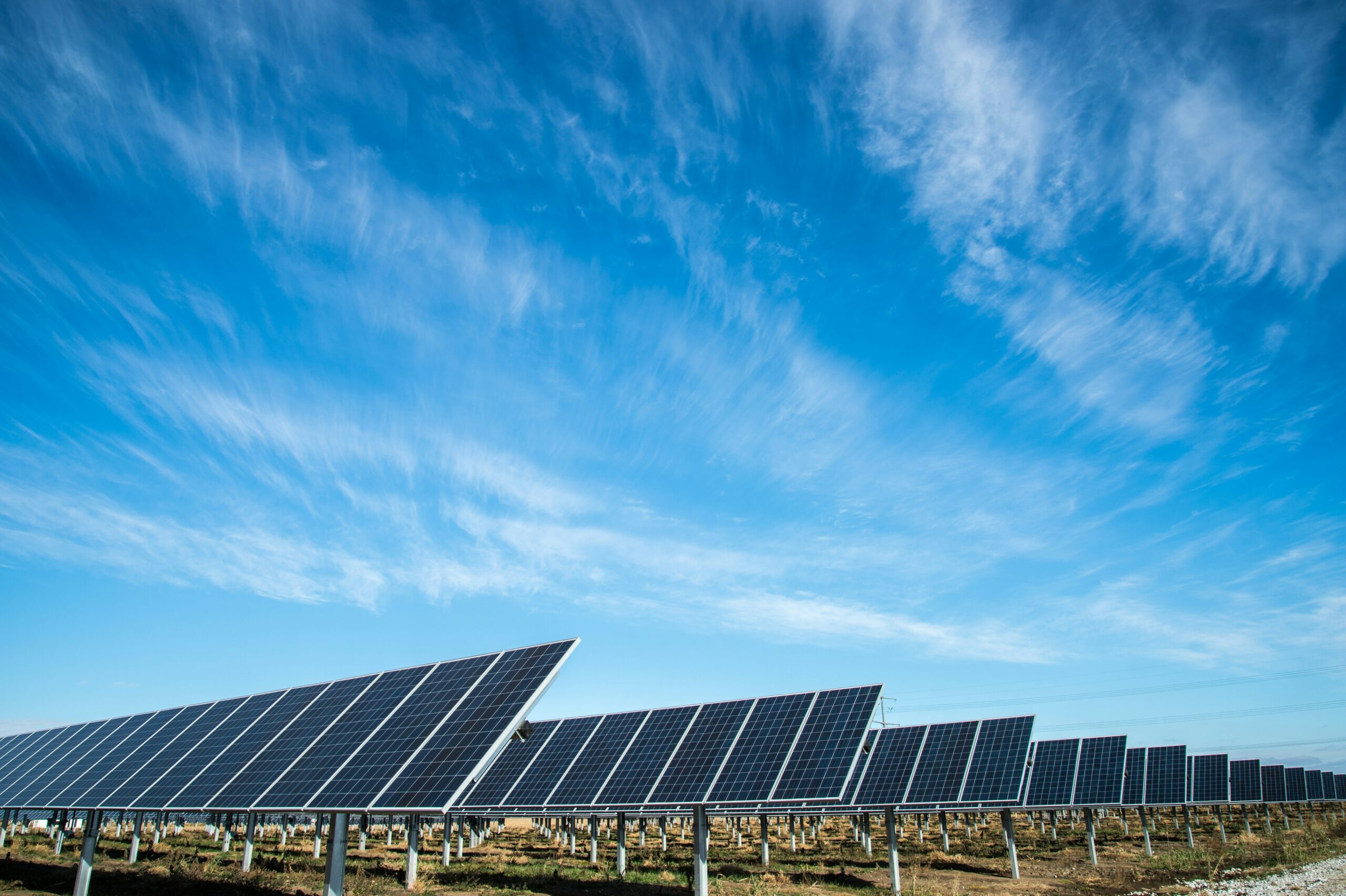
    Flessibilità spesa su sicurezza dell'energia

    Fonte: Unsplash

    Brussels – The European Commission is opening the way for greater freedom and flexibility in spending for Member States that need to strengthen their energy security and accelerate the phase-out of fossil fuels. The EU executive has adopted a notice clarifying how to extend the National Escape Clause, NEC—already used to allow countries to temporarily increase defence spending without automatically falling foul of European fiscal rules—to these measures. This possibility had been announced on 3 June in the European Semester 2026 Spring Package. 

    The decision comes in the context of the energy crisis linked to the conflict in the Middle East and aims to make the European energy system more resilient. The objective is to enable governments to fund measures that reduce dependence on fossil fuels, strengthen supply security, and accelerate the energy transition. Potentially eligible measures may include national initiatives to reduce energy demand, develop renewables, or increase electrification, as the European Commission has already indicated in its overview of national emergency measures. 

    However, this is not a blank cheque: this flexibility will have specific limits. Only budgetary measures decided after 28 February 2026, financed at national level and having a direct impact on public finances, will be eligible for this clause. The measures must also be designed to achieve the greatest possible impact while minimising the cost to public finances. The European Commission will assess on a case-by-case basis whether individual measures meet the requirements. 

    The additional margin will, however, be limited by the caps set by the new European fiscal rules. The overall deviation from the net expenditure path recommended by the Council may not exceed 1.5 per cent of GDP. Within this limit, the flexibility specifically earmarked for energy security will be capped at 0.3 per cent of GDP per year and 0.6 per cent cumulatively. This option will be available for the period 2026–2028. 

    The European Commission thus aims to prevent greater spending flexibility from becoming a risk to public-finance sustainability. Any amounts that exceed the prescribed limits will continue to be assessed in accordance with the EU’s standard fiscal surveillance procedures. The national clause, set out in Article 26 of Regulation 2024/1263, already allows Member States to deviate temporarily from their expenditure path when exceptional circumstances beyond their control will significantly impact public finances, provided that this does not jeopardise medium-term fiscal sustainability. 

    The ball is now in the Member States’ court; they may formally request that the clause be extended to cover energy security as well. In their applications, they must provide an initial list of the measures they intend to fund and the associated estimated costs. The Commission will examine the applications and, provided the relevant criteria are met, may recommend that the Council approve them.

    English version by the Translation Service of Withub


    Tags: autonomia energeticaCrisi in Medio Orienteenergiaspese difesaspese energiaspese UEstrategic autonomy

    Related Posts

    Carbone fossile Eurostat UE
    Energy

    Coal use at an all-time low in the EU: in 2025, it accounted for just 9.2 per cent of electricity generation

    13 August 2026
    Donauauen / Stopfenreuth
    Energy

    Danube running dry posing nuclear risks; EU ready to convene energy experts

    4 August 2026
    map visualization
    Flessibilità spesa su sicurezza dell'energia

    Brussels extends flexibility on budget accounts: more scope for spending on energy security

    by Annachiara Magenta annacmag
    17 August 2026

    To counter the effects of the crisis in the Middle East, the EU executive had already indicated in June that...

    Vaccino. Crediti: National Cancer Institute via Unsplash

    EU allocates 2.3 million euros to curb cholera outbreak in West and Central Africa

    by Iolanda Cuomo
    17 August 2026

    Brussels – The European Commission has allocated 2,3 milioni euros in humanitarian funding today (17 August) to support Nigeria, Cameroon, the...

    FASE DUE I NEGOZI IN FALLIMENTOCHIUSURACORONAVIRUSCORONA VIRUSCOVID19COVID 19CRISI ECONOMICAECONOMIAFUORI TUTTOCHIUSURA ATTIVITA'SERRANDA  VIA TUSCOLANA

    Businesses insolvencies outpace registrations in the second quarter of 2026

    by Emanuele Bonini emanuelebonini
    17 August 2026

    Eurostat figures: compared with the first quarter of the year, there was a 0.5 per cent drop in new business...

    Il primo ministro della Lettonia, Andris Kulbergs al Consiglio europeo di Bruxelles di giugno 2026. Crediti: Sophie Hugan via Imagoeconomica

    Latvia seeks 7 billion euros from the EU to cover defence spending and the costs of cutting ties with Russia

    by Iolanda Cuomo
    17 August 2026

    Brussels – Seven billion euros to help cover the costs associated with defence and the severing of trade ties with...

    • Director’s Point of View
    • Opinions
    • About us
    • Contacts
    • Privacy Policy
    • Cookie policy

    Eunews is a registered newspaper
    Press Register of the Court of Turin n° 27


    Copyright © 2025 - WITHUB S.p.a., Via Rubens 19 - 20148 Milan
    VAT number: 10067080969 - ROC registration number n.30628
    Fully paid-up share capital 50.000,00€


    No Result
    View All Result
    • it ITA
    • en ENG
    • Politics
    • Newsletter
    • World politics
    • Business
    • General News
    • Defence & Security
    • Health
    • Agrifood
    • Altre sezioni
      • Culture
      • Rights
      • Energy
      • Green Economy
      • Gallery
      • Finance & Insurance
      • Industry & Markets
      • Media
      • Mobility & Logistics
      • Net & Tech
      • News
      • Opinions
      • Sports
    • Director’s Point of View
    • Draghi Report
    • Eunews Newsletter

    No Result
    View All Result
    • it ITA
    • en ENG
    • Politics
    • Newsletter
    • World politics
    • Business
    • General News
    • Defence & Security
    • Health
    • Agrifood
    • Altre sezioni
      • Culture
      • Rights
      • Energy
      • Green Economy
      • Gallery
      • Finance & Insurance
      • Industry & Markets
      • Media
      • Mobility & Logistics
      • Net & Tech
      • News
      • Opinions
      • Sports
    • Director’s Point of View
    • Draghi Report
    • Eunews Newsletter

    Attention