Brussels – Between January and September 2026, the number of irregular border crossings into the European Union “continued to fall, recording a drop of almost one-third compared with the same period last year,” Frontex, the EU Border and Coast Guard Agency, said in preliminary figures released today (19 October). Overall, in the first nine months of the year, just over 90,865 irregular crossings were recorded onto EU territory across all routes.
In general, there has been a “decline on nearly all of the major migratory routes”, which, as Frontex stressed, reflects “sustained cooperation with partner countries and preventive measures in key departure states, which continue to reduce the number of boats setting out towards Europe.”
Irregular immigration: the figures show there is no crisis
The figures show that, despite what happened this summer in Ceuta, there is no crisis involving migrants and asylum seekers. Looking at the figures, even though the Eastern Mediterranean route was the busiest between January and September 2026, the approximately 31,800 crossings recorded still represent a 15 per cent fall compared with the same period the previous year. The corridor from Libya to Crete was the busiest section of this route, ahead of the eastern Aegean islands and the land border with Turkey, while Cyprus accounted for a marginal share.
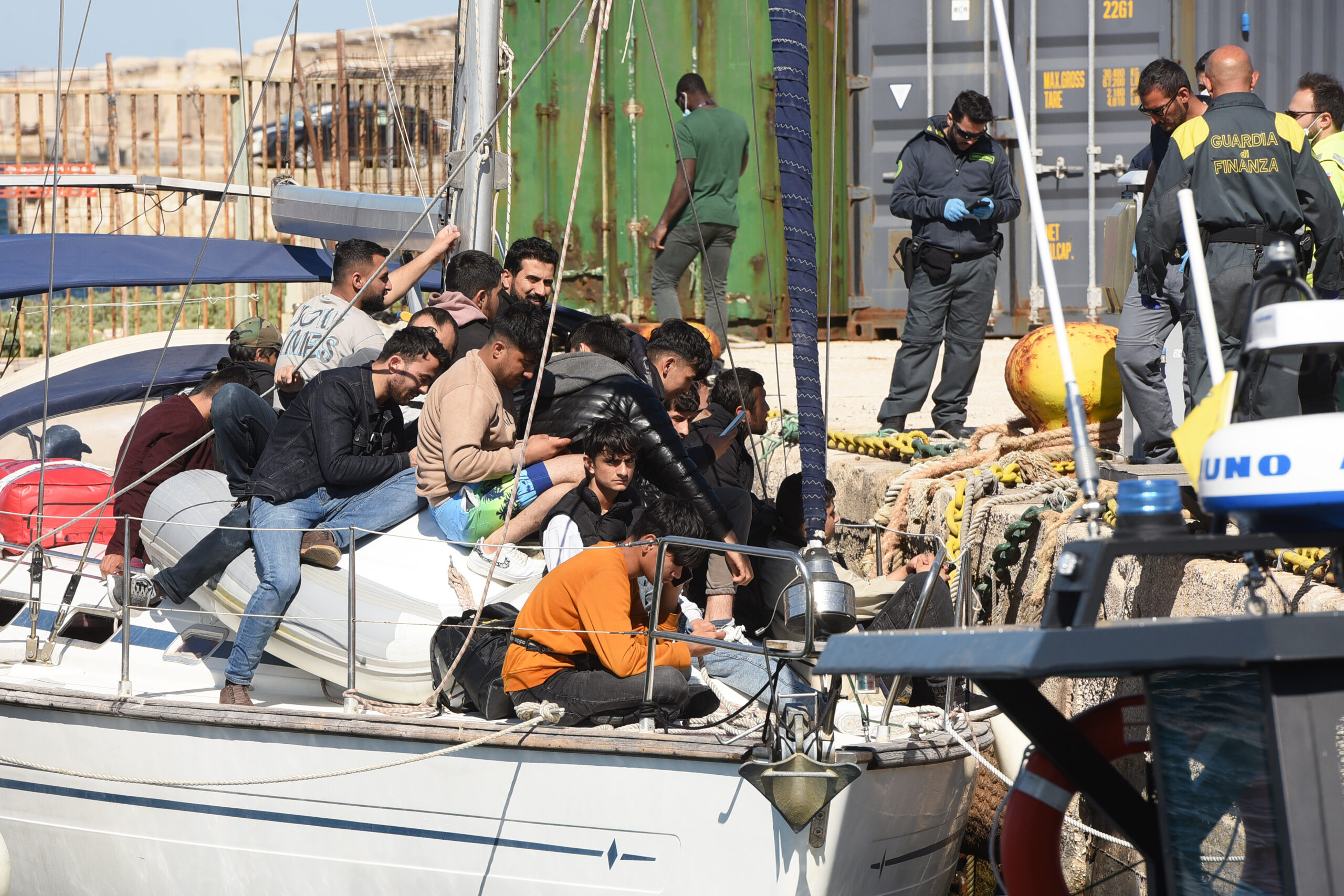
In the central Mediterranean, a transit route that directly affects Italy, around 22,500 arrivals were recorded, down 56 per cent from the same period last year, marking “the sharpest decline of all routes”, according to Frontex. “Libya has once again proved to be the main point of departure.”
Declines in irregular arrivals were also recorded along the land route through the Western Balkans (-27 per cent) and the eastern borders involving Poland and the Baltic States (-51 per cent). Of all these, the Western Mediterranean route was the only one to record an increase (+26 per cent), with approximately 18,300 detections. This increase, Frontex explained, was concentrated along the land border, where detections more than doubled, while arrivals by sea rose by 8 per cent.
After Ceuta, the risk of an emergency in the Canary Islands
However, the Executive Director of Frontex, Hans Leijtens, noted that while on the one hand “on most routes to Europe, the number of people attempting the journey has fallen”, on the other, “the situation can change rapidly”. In this regard, there is no reference to the crisis in Ceuta, but to movements along and across the Spanish archipelagos: “In September, along the Atlantic route to the Canary Islands, the number of sightings was four times higher than in August”, Leijtens pointed out.
The Canary Islands are a Spanish autonomous community. This archipelago includes Tenerife, Lanzarote and Fuerteventura, which are popular tourist destinations. The point made by the executive director of Frontex risks becoming a new talking point for those who intend to continue criticising the Sánchez government.
English version by the Translation Service of Withub